




Every organization relies on assets to keep operations running smoothly. From laptops and manufacturing equipment to medical devices and construction tools, these assets represent a significant investment. However, simply owning assets is not enough. Organizations also need complete visibility into where assets are located, who is using them, and how they move throughout their lifecycle.
This is where asset traceability plays a crucial role.
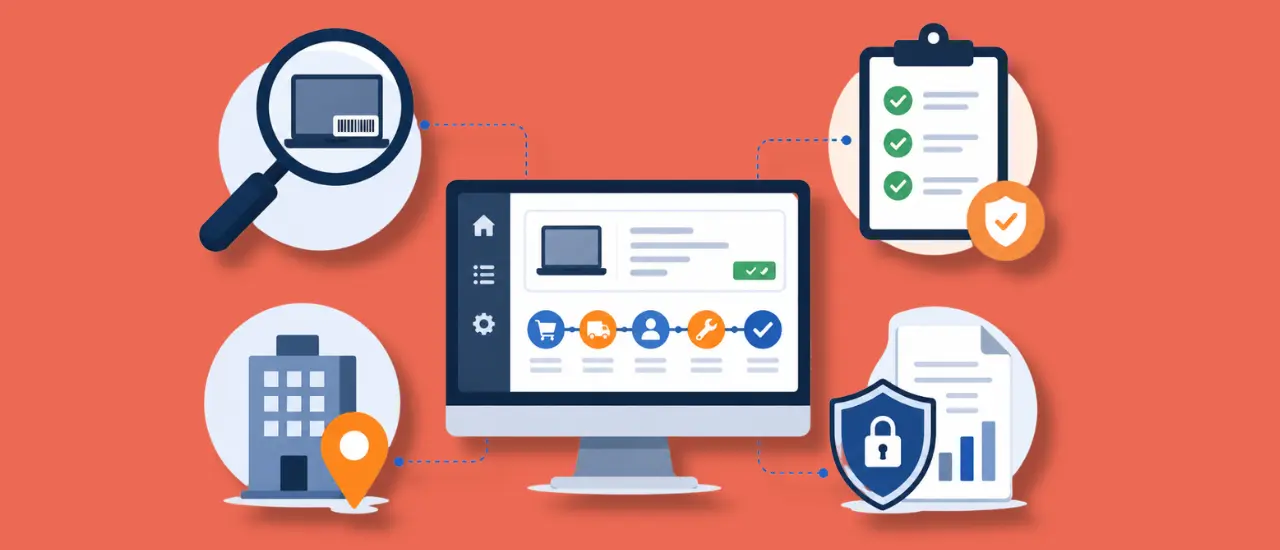
Asset traceability allows businesses to monitor every stage of an asset's journey, from procurement and deployment to maintenance, transfer, and eventual disposal. More importantly, it creates a reliable history of every asset, making it easier to maintain compliance, prepare for audits, and reduce operational risks.
In today's business environment, where organizations operate across multiple locations and regulatory requirements continue to evolve, asset traceability is no longer a luxury. It has become a fundamental part of effective asset management.
In this guide, we will explore what asset traceability is, why it is important, how it supports compliance and audits, and the best practices organizations should follow to build a reliable asset tracking system.
What Is Asset Traceability?
Asset traceability is the process of recording and tracking every important event in an asset's lifecycle. It provides a complete history of an asset, including where it has been, who has used it, what maintenance has been performed, and any changes made to its status.
Rather than simply knowing where an asset is today, asset traceability provides complete visibility into its past and present.
A comprehensive traceability system typically records:
- Asset identification number
- Purchase information
- Current location
- Assigned employee or department
- Transfer history
- Maintenance records
- Inspection history
- Warranty details
- Depreciation information
- Disposal records
This information creates a reliable audit trail that helps organizations make informed decisions while reducing compliance risks.
Why Asset Traceability Is Important
Businesses often manage hundreds or even thousands of assets across different departments and locations. Without proper traceability, maintaining accurate records becomes increasingly difficult.
Here are some of the key reasons organizations invest in asset traceability.
Improves Asset Visibility
One of the biggest challenges organizations face is knowing exactly where assets are located.
Asset traceability provides real time visibility into asset locations, helping teams locate equipment quickly and reduce unnecessary purchases caused by misplaced assets.
Strengthens Accountability
When assets are assigned to employees or departments, accountability becomes much clearer.
Organizations can easily determine who is responsible for each asset and review its usage history whenever required.
Supports Better Decision Making
Reliable asset information enables managers to make better decisions regarding maintenance, replacement, transfers, and future investments.
Instead of relying on assumptions, decisions are based on accurate historical data.
Reduces Asset Loss
Assets frequently move between departments, project sites, and offices.
Without proper records, these movements may go undocumented, increasing the likelihood of misplaced or lost assets.
Traceability helps organizations maintain complete control throughout every asset movement.
How Asset Traceability Supports Compliance
Many industries must comply with internal policies, financial regulations, and industry standards regarding asset management.
Accurate records are often required to demonstrate that assets are properly maintained, securely managed, and appropriately documented.
Asset traceability simplifies compliance by providing detailed records that can be accessed whenever needed.
Complete Documentation
Every asset activity is recorded and stored, creating reliable documentation for compliance reviews.
Accurate Maintenance Records
Organizations can demonstrate that preventive maintenance schedules have been followed and equipment remains in operational condition.
Easier Regulatory Reporting
When regulators request asset related information, businesses can generate reports quickly without manually gathering data from multiple sources.
Improved Data Accuracy
Centralized asset records reduce duplicate information and help ensure consistency across departments.
Why Asset Traceability Is Essential During Audits
Preparing for an audit can be stressful when asset information is incomplete or outdated.
Auditors typically verify whether asset records accurately represent the organization's physical assets.
Asset traceability makes this process significantly easier.
Faster Asset Verification
Auditors can easily confirm asset ownership, location, and identification using accurate records.
Clear Audit Trail
Every movement, assignment, maintenance activity, and status update is documented.
This transparency helps build confidence during internal and external audits.
Reduced Documentation Errors
Since asset information is continuously updated, organizations avoid inconsistencies between financial records and operational data.
Better Financial Reporting
Traceable assets improve depreciation calculations and support accurate financial statements.
Industries That Benefit From Asset Traceability
Although every organization can benefit from traceability, some industries rely on it more heavily than others.
Manufacturing
Manufacturers track machinery, production equipment, tools, and spare parts to improve operational efficiency.
Healthcare
Hospitals monitor medical equipment to ensure patient safety and regulatory compliance.
Information Technology
IT departments maintain records for laptops, servers, networking equipment, and mobile devices assigned to employees.
Construction
Construction companies manage equipment across multiple project sites, making asset traceability essential for preventing losses.
Education
Schools and universities track computers, laboratory equipment, furniture, and teaching resources.
Government Organizations
Public sector organizations maintain detailed asset records to ensure transparency and accountability.
Common Challenges Without Asset Traceability
Organizations that lack proper traceability often experience several operational problems.
Missing Assets
Assets become difficult to locate because movement history is unavailable.
Duplicate Purchases
Departments purchase equipment they already own simply because existing assets cannot be found.
Poor Audit Performance
Missing documentation increases audit findings and delays compliance activities.
Inefficient Maintenance Planning
Without maintenance history, organizations struggle to schedule preventive maintenance effectively.
Limited Accountability
It becomes difficult to determine who is responsible for missing or damaged assets.
These issues increase operational costs while reducing overall efficiency.
Best Practices for Improving Asset Traceability
Organizations can strengthen traceability by implementing a structured approach.
Assign Unique Asset Identifiers
Every asset should have a unique identification number that remains consistent throughout its lifecycle.
Maintain Accurate Asset Records
Update asset information whenever there is a purchase, transfer, maintenance activity, or disposal.
Accurate records improve visibility and reporting.
Record Every Asset Movement
Every transfer between employees, departments, or locations should be documented immediately.
This creates a complete history that supports future audits.
Perform Regular Asset Verification
Periodic physical verification confirms that assets exist in their recorded locations and remain in expected condition.
Standardize Asset Management Processes
Using consistent procedures across departments improves data quality and reduces errors.
Train Employees
Employees should understand how to report asset transfers, damages, and returns promptly.
How Technology Improves Asset Traceability
Manual asset registers and spreadsheets often become outdated as organizations grow.
Modern asset management software provides a more reliable and efficient approach to maintaining asset traceability.
Digital solutions help organizations:
- Track assets in real time
- Record asset movement automatically
- Maintain centralized asset records
- Generate compliance reports
- Simplify audit preparation
- Improve maintenance planning
- Monitor asset history
- Reduce manual data entry
Many organizations also use barcode labels, QR codes, RFID tags, and mobile applications to improve tracking accuracy while reducing administrative effort.
The Business Benefits of Asset Traceability
Organizations that implement effective asset traceability often experience measurable improvements across multiple business functions.
These include:
- Improved operational efficiency
- Greater financial accuracy
- Better asset utilization
- Reduced asset losses
- Faster audit preparation
- Stronger regulatory compliance
- Better maintenance planning
- Increased employee accountability
- Improved decision making
- Higher return on asset investments
Over time, these improvements contribute to lower operating costs and better control over organizational resources.
How Asset Infinity Supports Asset Traceability
Managing thousands of assets manually becomes increasingly difficult as organizations expand.
Asset Infinity helps businesses establish complete asset traceability by providing centralized asset records, real time tracking, maintenance history, verification tools, and detailed reporting capabilities.
With Asset Infinity, organizations can monitor asset movement, maintain accurate ownership records, simplify physical verification, and generate audit ready reports from a single platform.
This level of visibility helps finance teams, operations managers, IT departments, and auditors work with accurate information while improving compliance and operational control.
Conclusion
Asset traceability is much more than knowing where an asset is located. It is about maintaining complete visibility into every stage of an asset's lifecycle while ensuring accurate documentation, accountability, and compliance.
Organizations that invest in effective traceability practices are better prepared for audits, improve financial reporting, reduce operational risks, and maximize the value of their assets.
As businesses continue to expand across multiple locations and regulatory expectations increase, maintaining accurate asset history becomes essential rather than optional. By combining well defined processes with modern asset management technology, organizations can build a reliable traceability system that supports long term operational excellence and compliance.