
Share your email and our team will guide you through a setup tailored to how your assets should be managed.
Takes 30 seconds. No sales pressure.









Capture, assign, track, and resolve every service need through one organized process. Asset Infinity’s service request management software connects requesters, service teams, and technicians, helping your organization respond faster, maintain accountability, and deliver a more dependable service experience.




Simple Request Submission
Let users submit service requests through a clear form with the details teams need to begin working immediately.
Intelligent Request Routing
Direct each request to the appropriate team or service desk based on predefined categories, rules, and responsibilities.
Real-Time Status Visibility
Give requesters and service teams a clear view of request status, current ownership, progress, and pending actions.
Automated Request Updates
Keep stakeholders informed with timely notifications whenever a request is assigned, updated, escalated, resolved, or closed.
Bring request submission, routing, assignment, communication, and resolution together so every service need reaches the right team without unnecessary delays.
.webp)
Provide users with a straightforward request form that captures the service category, issue description, location, priority, supporting documents, and other essential details. Complete information helps service teams understand the requirement sooner, reduces repetitive communication, and allows work to begin with greater clarity.
Use predefined rules to route incoming requests to the appropriate service desk, department, technician, or responsible team. Automated routing reduces delays caused by manual forwarding and helps ensure that specialized requests reach people with the right responsibility and expertise.
.webp)
Manage every stage of the service lifecycle with capabilities designed to improve speed, ownership, communication, and resolution quality.
.webp)
Capture service requirements through clear forms that collect the information teams need to understand and process each request.

Send requests to the appropriate team or department automatically using established service categories and routing rules.

Assign requests according to technician availability, skills, responsibility, and priority to improve workload distribution and response.

Monitor request status and progress from submission through resolution, giving teams and requesters consistent operational visibility.

Track response and resolution performance against predefined service-level timelines to identify requests requiring immediate attention.

Send automated alerts when requests are created, assigned, updated, escalated, resolved, or moved to another status.

Allow service teams and technicians to exchange relevant information, add internal notes, and preserve important resolution context.

Maintain complete request histories and analyze service data to evaluate workload, recurring needs, resolution time, and team performance.

Monitor and manage budgets at project, department, or category levels for service-related expenses. Effectively utilize these budgets to create requests, purchase orders, or capital work in progress (CWIP), optimizing budget allocation and expenditure management for service-oriented operations
Move beyond disconnected conversations and give service teams a consistent way to receive, organize, and fulfil requests across departments.

Route complete requests to the right team sooner, reduce unnecessary coordination, and help technicians begin work without avoidable delays.

Create clear ownership for every request, action, and status change so responsibilities remain visible throughout the service lifecycle.

Give users a simple submission process, timely updates, and transparent progress without requiring repeated calls, messages, or follow-ups.

Assign each request to an appropriate technician or team based on service category, required skills, availability, and urgency.

Monitor response and resolution targets to identify approaching deadlines and keep time-sensitive requests from being overlooked.

Use notes and comments to share context, document actions, and coordinate resolution without losing information across separate channels.

Preserve request details, updates, communication, and outcomes to support reporting, performance reviews, and future troubleshooting.

Schedule requested inspections for equipment, facilities, safety systems, and other operational resources requiring professional review.

Record and assign calibration requirements for measuring instruments, laboratory devices, and other accuracy-dependent equipment.

Capture requests for servicing, adjustment, lubrication, component replacement, and other equipment maintenance requirements.

Prioritize requests involving hazards, damaged safety equipment, emergency systems, or conditions requiring immediate corrective attention.

Manage department-specific service needs through configurable categories, assignment rules, priorities, and resolution workflows.
See how Asset Infinity can help your organization simplify service request management, accelerate resolution, and improve the experience for requesters and service teams.
.webp)

Learn how freezer management software helps food and FMCG companies track field equipment, manage maintenance, improve visibility, and reduce asset losses.
Learn how cooler management software helps beverage companies track field assets, manage maintenance, improve visibility, and optimize cooler utilization.
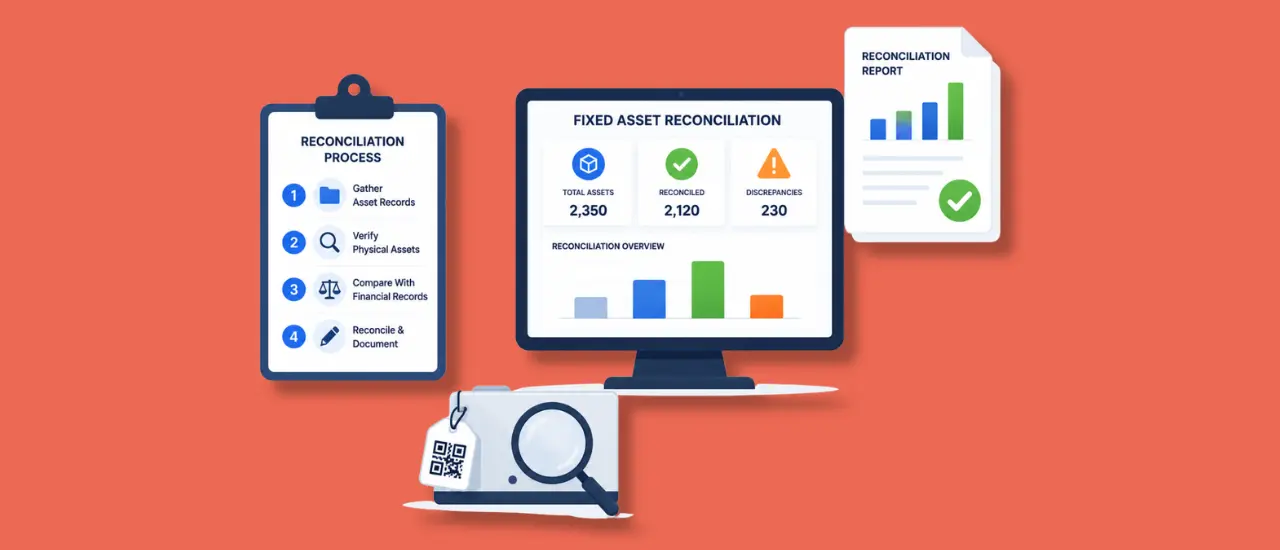
Fixed asset reconciliation helps organizations align physical assets with financial records, ensuring accurate reporting and stronger compliance. This guide explains the reconciliation process, common causes of discrepancies, best practices, and how finance teams can improve asset visibility, reduce audit risks, and maintain reliable fixed asset records across the organization.

Service request management is the structured process of receiving, categorizing, assigning, tracking, and resolving requests for services or assistance. It gives requesters a consistent submission channel while helping service teams maintain ownership, monitor progress, communicate updates, and complete work within expected timelines.
Service request management software centralizes incoming requests and manages them throughout their lifecycle. It can capture request details, automate routing, assign responsible teams, track status, monitor SLAs, send updates, support internal collaboration, and maintain a complete service history for reporting and performance analysis.
A service request asks for a standard service, resource, action, or assistance, such as equipment installation, access, relocation, or routine maintenance. An incident usually refers to an unexpected disruption, failure, or breakdown that requires restoration. Separating the two helps teams apply the correct priority, process, and resolution workflow.
A reliable service request management tool should include configurable request forms, automated routing, assignment and prioritization, status tracking, SLA monitoring, notifications, internal notes, service history, and reporting. It should also provide clear visibility for both requesters and the teams responsible for fulfilment.

Yes. Organizations can use Asset Infinity to manage service requests across maintenance, facilities, IT, administration, operations, and other internal teams. Requests can be organized by category, location, department, priority, or responsible group, helping each requirement reach the appropriate team and follow a consistent resolution process.
The Service Request feature in Asset Infinity enables users to submit and track requests for services or support within an organization. It streamlines the process of initiating, assigning, and resolving service requests, ensuring timely and efficient service delivery

.png)
.webp)
Monitor and manage budgets at project, department, or category levels for service-related expenses. Effectively utilize these budgets to create requests, purchase orders, or capital work in progress (CWIP), optimizing budget allocation and expenditure management for service-oriented operations
Learn More


Provide a user-friendly interface for users to submit service requests, capturing essential details such as the nature of the request, priority level, and any supporting information

Automatically route service requests to the appropriate service desk personnel or departments based on predefined rules, ensuring efficient assignment and timely response

Enable users to track the status and progress of their service requests in real-time, providing transparency and visibility into the resolution process

Send automated notifications and updates to requesters, keeping them informed about the status of their requests and any relevant updates.
Asset Infinity's Service Request feature offers several benefits for effective service management:

Simplify the process of submitting service requests, providing a user-friendly interface for users to quickly and easily communicate their service needs

Enable efficient assignment and tracking of service requests, ensuring timely resolution and improved customer satisfaction

Facilitate effective communication between service requesters, service desk personnel, and technicians, enabling collaboration and updates throughout the service lifecycle

Assign service requests to appropriate technicians or teams based on their skillset, availability, and request priority, ensuring efficient resource allocation

Monitor service requests against predefined Service Level Agreements (SLAs), ensuring compliance with response and resolution times

Enable collaboration and information sharing among service desk personnel, technicians, and requesters through internal notes and comments within the service request system

Maintain a comprehensive service history for each request, enabling analysis, reporting, and performance evaluation of service operations
Explore the benefits of SaaS Management's quick setup, user-friendly interface, and significant insights for assisting software teams in achieving success.
How Self-Audits Can Ease Asset Physical Verification? Audit is an inevitable activity that all organizations conducts at the end of financial year for asset physical verification but how Asset Infinity's self audit helps in asset physical verification! Read in this blog now.
Route complete requests to the right team sooner, reduce unnecessary coordination, and help technicians begin work without avoidable delays.
Create clear ownership for every request, action, and status change so responsibilities remain visible throughout the service lifecycle.
Give users a simple submission process, timely updates, and transparent progress without requiring repeated calls, messages, or follow-ups.
Assign each request to an appropriate technician or team based on service category, required skills, availability, and urgency.
Monitor response and resolution targets to identify approaching deadlines and keep time-sensitive requests from being overlooked.
Use notes and comments to share context, document actions, and coordinate resolution without losing information across separate channels.
Preserve request details, updates, communication, and outcomes to support reporting, performance reviews, and future troubleshooting.
Schedule requested inspections for equipment, facilities, safety systems, and other operational resources requiring professional review.
Record and assign calibration requirements for measuring instruments, laboratory devices, and other accuracy-dependent equipment.
Capture requests for servicing, adjustment, lubrication, component replacement, and other equipment maintenance requirements.
Prioritize requests involving hazards, damaged safety equipment, emergency systems, or conditions requiring immediate corrective attention.
Manage department-specific service needs through configurable categories, assignment rules, priorities, and resolution workflows.
From SMEs to global enterprises, Asset Infinity enables asset management for finance managers to be efficient, accurate, and forward-looking. By embedding asset tracking for CFOs into daily processes, organizations enhance transparency and reduce risks.


.webp)
.webp)
.webp)
.webp)








.png)

