
.webp)
.webp)
.webp)
.webp)



.webp)


Asset management compliance is entering a period of rapid change and rising accountability. As organizations rely more heavily on digital systems connected equipment and smart devices the need for accurate documentation strong security and transparent reporting has never been more important. The year 2026 introduces a new era of compliance expectations requiring businesses to upgrade systems strengthen governance and build audit ready processes. Companies that do not prepare early risk falling behind increasing costs and facing penalties. This blog explains the essential asset management requirements every organization must follow to stay compliant and competitive in 2026.
Why Asset Management Compliance in 2026 is Changing
Asset management compliance is entering a significant transformation as global regulations tighten and governing authorities place higher expectations on businesses. By 2026 organizations must demonstrate stronger accountability accuracy and transparency across every stage of asset handling. These changes are not limited to highly regulated industries but apply to medium and large companies across all sectors.
The rise in cyber risks data exploitation incidents and asset misuse has pushed regulators to enforce more stringent frameworks. Businesses now operate with advanced equipment digital assets cloud systems and AI enabled devices which require structured governance. Compliance in asset management ensures that organizations maintain safety reduce operational risks and deliver dependable performance.
Many companies are reassessing their asset management requirements due to new environmental reporting needs tighter documentation rules frequent audits and emerging sustainability obligations. Businesses that prepare early can protect revenue reduce penalty exposure and maintain operational resilience. Those who ignore these requirements may face heavy disruptions beginning in 2026.
Major 2026 Asset Management Compliance Standards Businesses Must Prepare For
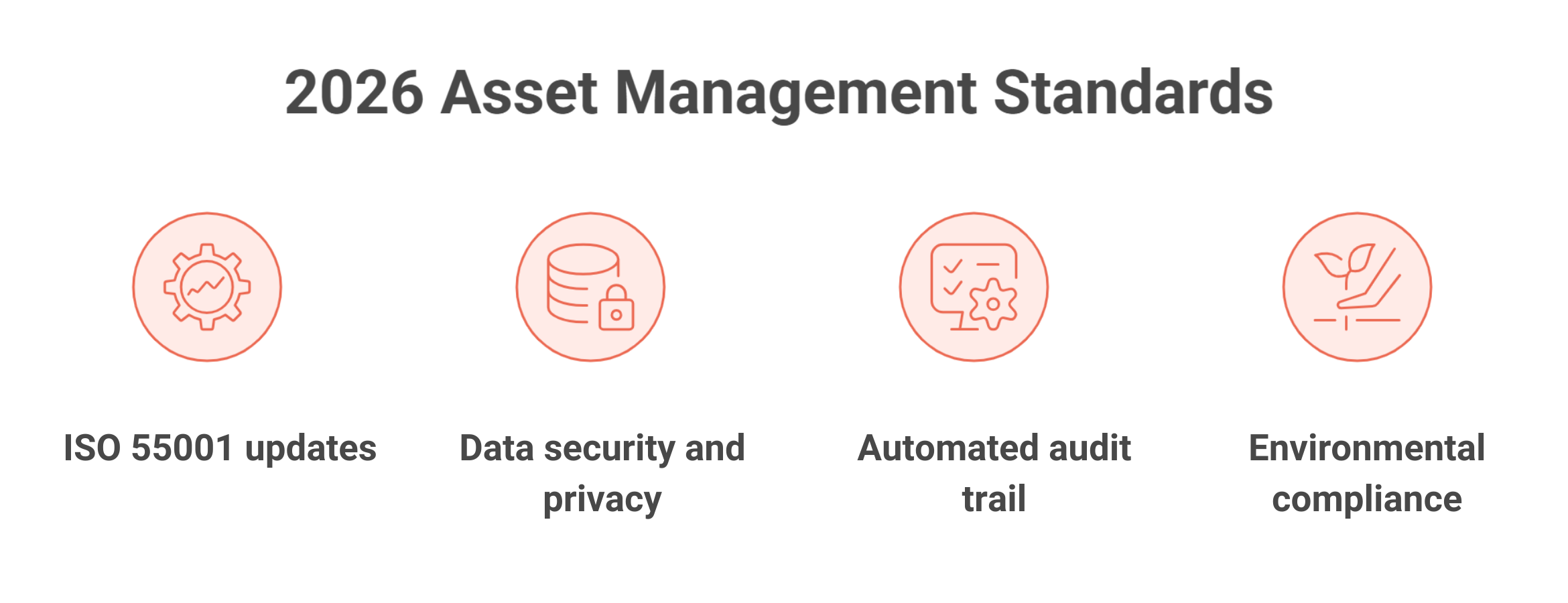
Asset management compliance frameworks for 2026 emphasize automation reliability and traceability. Below are the main standards that organizations must understand and implement.
1. ISO 55001 updates for 2026
ISO 55001 is the global standard guiding structured asset management. By 2026 updated guidelines are expected to strengthen requirements around asset lifecycle documentation real time visibility and continuous improvement. Organizations must provide traceable proof for procurement operation servicing risk evaluation and disposal activities.
These updates will require additional controls for documentation completeness data accuracy and validation checks. Companies that rely on outdated manual logs will struggle to demonstrate compliance in asset management under the new format.
2. Data security and privacy obligations
Asset data today contains sensitive details including user information operational data maintenance patterns and organizational insights. New privacy standards in 2026 will require multi level encryption identity based access control continuous monitoring and security incident reporting.
Industries such as BFSI healthcare and IT will be required to implement advanced digital controls to secure asset information from cyber threats. The updated laws highlight data protection as a core component of asset management compliance.
3. Automated audit trail requirements
Regulators expect complete visibility across the asset lifecycle. This requires automated audit trails that record every movement every user activity every maintenance action and every disposal approval. Manual or paper based systems cannot offer the accuracy or transparency required for modern audits.
Auditors will request timestamped logs digital signatures usage history and asset condition documentation before certifying an organization as compliant.
4. Environmental compliance and sustainability
Environmental accountability is another major focus for 2026. Many industries must track energy consumption carbon impact recycling activity and end of life disposal. Asset management requirements for sustainability will expand to include disposal certificates and responsible recycling documentation.
Global initiatives like net zero commitments are pushing organizations to demonstrate ethical and eco friendly practices.

Industry Wise Differences in Asset Management Compliance Requirements
Compliance rules vary across industries due to differences in asset type risk impact and operational behavior. Below is a detailed breakdown.
1. Manufacturing
Manufacturing involves an extensive range of machines tools and equipment used around the clock. Compliance includes calibration accuracy safety standards breakdown documentation maintenance routine checks and quality assurance practices. Regulators want clear visibility into the performance and reliability of equipment that directly affects product quality and worker safety.
If a manufacturing unit fails to maintain asset management compliance it may face production losses safety hazards and rejection of goods due to non standard quality.
2. Healthcare
Healthcare equipment includes life saving machines where compliance failure can risk patient lives. Hospitals and clinics must maintain updated sterilization logs calibration data maintenance routines and traceability information for every device.
Regulatory authorities perform frequent audits and enforce strict penalties on institutions that fail to keep accurate records. Asset management requirements in healthcare extend to patient safety data privacy and medical compliance laws.
3. BFSI
Financial institutions rely heavily on technological assets. They require strong cyber security infrastructure predictable audit trails software license compliance and evidence of secure access controls. Compliance in asset management for BFSI reduces the risk of data breaches fraud or operational breakdowns.
BFSI also follows strict national and international frameworks that require accurate documentation of every asset holding sensitive or operational data.
4. IT and technology
IT companies manage servers cloud subscriptions software licenses and a growing number of AI driven tools. These assets must be traceable documented and secured under strict access policies. Organizations must maintain inventory visibility lifecycle logs and regulatory compliant documentation to avoid audit failures.
With AI adoption rising IT companies will also be evaluated on ethical usage and data governance as part of their asset management compliance strategy.
Common Penalties for Non Compliance in Asset Management
Non compliance carries serious consequences that affect financial stability and organizational reputation.
1. Financial penalties
Regulators worldwide are increasing fines for non compliance. Some sectors may face penalties amounting to millions for failing to maintain documentation or for mismanaging safety related assets. Often these fines escalate for repeated failures or when negligence impacts users.
2. Operational shutdowns
Authorities may temporarily stop operations for organizations with serious compliance violations. This can disrupt supply chains customer commitments and production schedules. Shutdowns have long term revenue impact and damage customer trust.
3. Increased audit frequency
A failed audit puts companies on a watchlist requiring more frequent audits. This increases workload creates pressure on teams and raises operational costs.
4. Damage to brand credibility
Companies known for compliance failures lose market confidence. Customers investors and partners perceive compliance in asset management as an indicator of long term reliability.

How Software Helps Meet Asset Management Compliance Requirements
Technology is becoming essential in managing asset management compliance. Automated systems reduce human errors and maintain reliable documentation.
1. Automated data collection
Software automatically records maintenance history movement logs usage data and allocation records. This ensures transparency and eliminates the inaccuracies found in manual processes.
2. Real time asset tracking
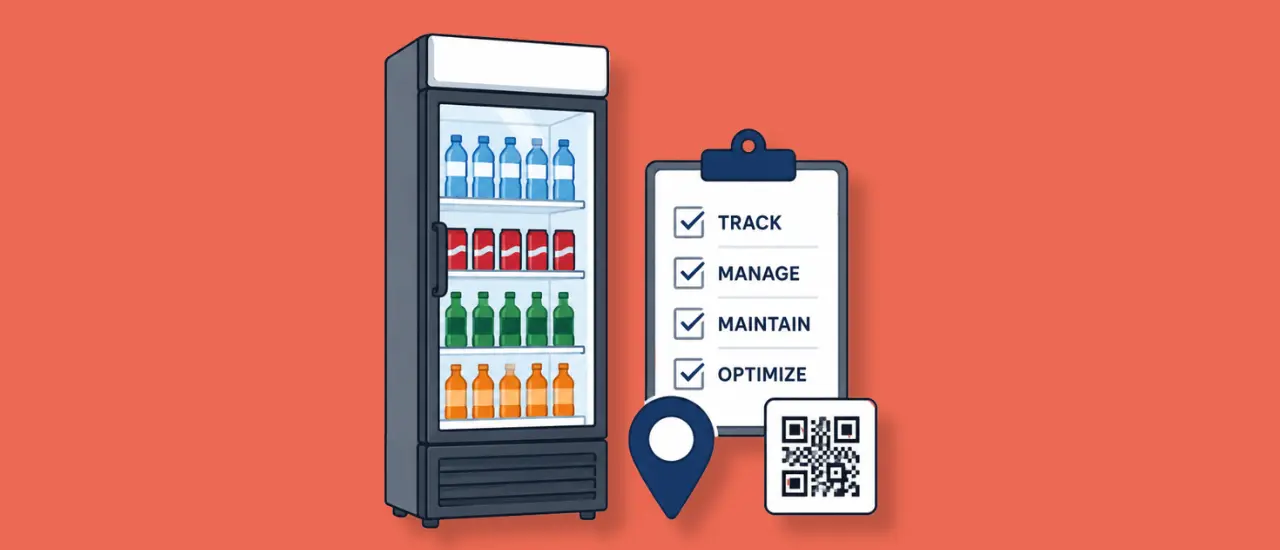
RFID QR and IoT technologies help organizations maintain accurate location visibility. Real time tracking ensures that physical assets match digital records which is a key factor in compliance readiness.
3. Centralized documentation
A centralized platform stores service reports warranties certificates disposal approvals and calibration logs in one secure location. This prevents lost documents and supports quick audit preparation.
4. Policy enforcement
Software enforces internal controls such as regular maintenance approvals asset tagging requirements access permissions and environmental compliance rules. This protects companies from accidental violations.
5. Lower operational risk
Automation detects irregular activity early reduces compliance violations and optimizes asset usage. By reducing manual involvement organizations gain consistent accuracy and improved accountability.
Practical Asset Management Compliance Checklist for 2026
Below is a complete asset management compliance checklist to guide your preparation.
1. Documentation checklist
- Maintenance logs updated and verified
- Calibration certificates stored and approved
- Asset history including procurement and usage recorded
- Asset movement and allocation tracked
- Disposal documentation verified and archived
2. Security checklist
- Multi level access control created
- Encryption enabled for asset data
- Threat detection alerts active
- Unauthorized activities monitored
3. Operational checklist
- Lifecycle stage tracked accurately
- Preventive maintenance schedule maintained
- Risk assessment conducted regularly
- Warranty details recorded and validated
4. Environmental checklist
- Energy usage monitored
- Recycling records documented
- Eco friendly disposal proof maintained
5. Audit preparedness checklist
- Digital audit trails updated
- Centralized asset reports ready for auditors
- Regulatory specific summaries downloadable
By following this asset management compliance checklist organizations achieve better readiness and stronger regulatory alignment.
Compliance Requirement and Industry Applicability
Data and Statistics Shaping Asset Management Compliance in 2026
1. Adoption of automated compliance
Reports indicate that more than seventy four percent of organizations will adopt automated compliance solutions by 2026.Automation is now seen as a mandatory requirement rather than an enhancement.
2. Cost of non compliance
Studies show that the average cost of non compliance exceeds five million US dollars for large enterprises. This value includes reputational loss legal consequences recovery work security upgrades and operational downtime.
3. Audit failure rates
The current global audit failure rate ranges from twenty one to thirty six percent. With upcoming 2026 standards organizations using traditional systems face an even higher risk of audit failure.
4. Increasing data breach penalties
Privacy regulators worldwide plan to raise penalties for data breaches by nearly twenty five percent. Organizations must treat asset data with equal importance as financial or user data.
Conclusion
Asset management compliance is evolving rapidly and 2026 marks a pivotal year that introduces deeper accountability stronger documentation standards and automated verification requirements. Organizations that begin preparing now will reduce risks improve operational efficiency and maintain stronger business continuity. Implementing automated tools revising documentation practices and following asset management requirements will position businesses for long term compliance success.
Frequently Asked Questions
What is asset management compliance and why is it important in 2026
Asset management compliance refers to following documented rules controls and reporting standards to ensure that assets are managed responsibly and legally. Many organizations seek clarity on what is asset management compliance because 2026 introduces heightened regulations relating to asset documentation cyber security and environmental responsibilities.
How can software automate asset management for compliance
Modern software automates asset management by generating audit trails sending maintenance alerts tracking asset movement and storing documentation securely. Companies that automate asset management enjoy more accurate records and better compliance.
Why do businesses need an asset management compliance checklist
An asset management compliance checklist ensures all required documentation actions and reviews are completed consistently. It prepares organizations for audits minimizes errors and creates a predictable compliance routine.









.png)

