
.webp)
.webp)
.webp)
.webp)



.webp)


Enterprises have spent the last decade investing heavily in visibility tools to understand where their assets are and how they move across locations. While this approach has improved basic control, it has also revealed a larger gap. Knowing where assets are does not automatically explain how well they perform, how effectively they are used, or whether they contribute real business value. This is where asset intelligence becomes critical.
In 2026, enterprises operate across distributed locations, remote teams, and complex supply chains. Traditional asset tracking systems provide location data, but decision makers increasingly need deeper insight. They want to understand usage patterns, performance trends, risk exposure, and optimization opportunities. As organizations mature, asset intelligence shifts asset management from visibility to insight, and from reaction to strategy.
This blog explores the difference between asset intelligence and asset tracking, why monitoring alone is not enough, and what enterprises actually need to stay competitive in 2026.
Understanding Asset Tracking in Modern Enterprises
Asset tracking has long been the foundation of enterprise asset management. It focuses on visibility and control.
1. What asset tracking is designed to solve
Asset tracking primarily helps organizations identify where assets are located and who is responsible for them. It reduces loss, supports audits, and improves accountability. For many enterprises, this was a major step forward from manual records.
2. How enterprises typically use asset tracking
Most organizations use asset tracking to record asset location, ownership, and movement history. This approach supports compliance and inventory control but offers limited insight into performance or value contribution.
3. The limitations of location focused visibility
While location data is useful, it does not explain whether an asset is actively used or underperforming. As enterprises scale, this limitation becomes more visible and impacts decision making.
4. Why asset tracking alone plateaus in value
Once basic visibility is achieved, returns diminish. Enterprises still struggle with inefficiencies, underused assets, and reactive management despite having tracking systems in place.
5. Where asset tracking still plays a role
Asset tracking remains essential as a foundational layer. However, it must be complemented by deeper analysis to support enterprise scale operations.
How Asset Monitoring Expands on Tracking Capabilities
Asset monitoring adds another layer by focusing on condition and activity.
1. The role of asset monitoring in operations
Asset monitoring tracks asset status, usage frequency, and basic performance indicators. It helps teams identify breakdowns, downtime, or abnormal behavior.
2. Differences between monitoring and tracking
Tracking focuses on location, while monitoring focuses on activity. Monitoring answers whether an asset is active, idle, or experiencing issues.
3. The rise of remote asset monitoring
With distributed operations, remote asset monitoring allows enterprises to oversee assets without physical presence. This is especially valuable for infrastructure, fleets, and critical equipment.
4. Operational benefits of monitoring systems
Monitoring improves response time, reduces downtime, and supports preventive maintenance. It offers more value than tracking but still operates at an operational level.
5. Why monitoring still falls short for enterprises
Monitoring provides signals but not conclusions. It shows what is happening but not why it matters or what action delivers the best outcome.
Why Asset Intelligence Goes Beyond Tracking and Monitoring
Asset intelligence transforms raw data into business insight.
1. Asset intelligence as a decision layer
Asset intelligence connects tracking and monitoring data with analytics, context, and business rules. It helps enterprises understand impact rather than just activity.
2. Turning data into actionable insight
Instead of showing where assets are, asset intelligence explains how assets affect cost, productivity, and risk. This shift enables proactive decision making.
3. Linking asset behavior to business outcomes
Asset intelligence connects asset usage with operational goals. It highlights inefficiencies, predicts issues, and supports optimization strategies.
4. Supporting enterprise scale complexity
As organizations grow, complexity increases. Asset intelligence helps manage this complexity by identifying patterns across locations, teams, and asset types.
5. Enabling strategic asset planning
With asset intelligence, enterprises can plan investments, retirements, and reallocations based on evidence rather than assumptions.
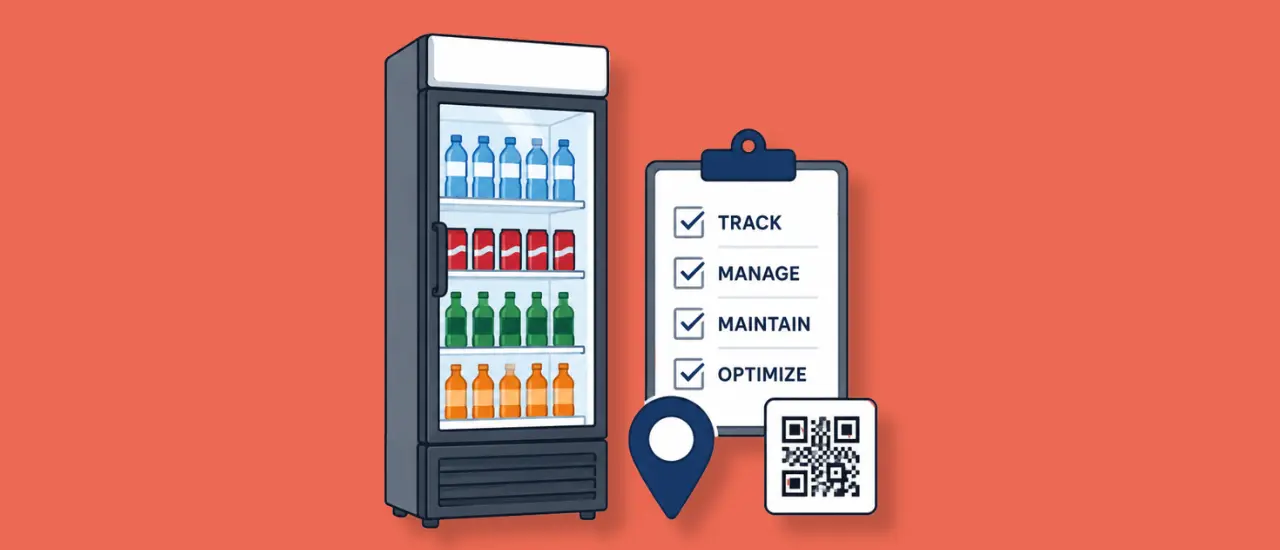
Asset Tracking vs Asset Intelligence in Enterprise Environments
Understanding the difference helps enterprises choose the right approach.
1. Visibility versus understanding
Asset tracking provides visibility. Asset intelligence provides understanding. Visibility shows where assets are. Intelligence explains how well they serve the business.
2. Reactive control versus proactive optimization
Tracking supports reactive control. Asset intelligence enables proactive optimization by identifying issues before they affect performance.
3. Operational focus versus strategic value
Tracking and monitoring serve operations. Asset intelligence serves leadership by supporting strategic decisions.
4. Short term efficiency versus long term performance
Tracking improves short term control. Asset intelligence improves long term asset performance and value creation.
5. Why enterprises need both but not equally
Enterprises need tracking as a base, monitoring for control, and asset intelligence as the primary driver of value in 2026.
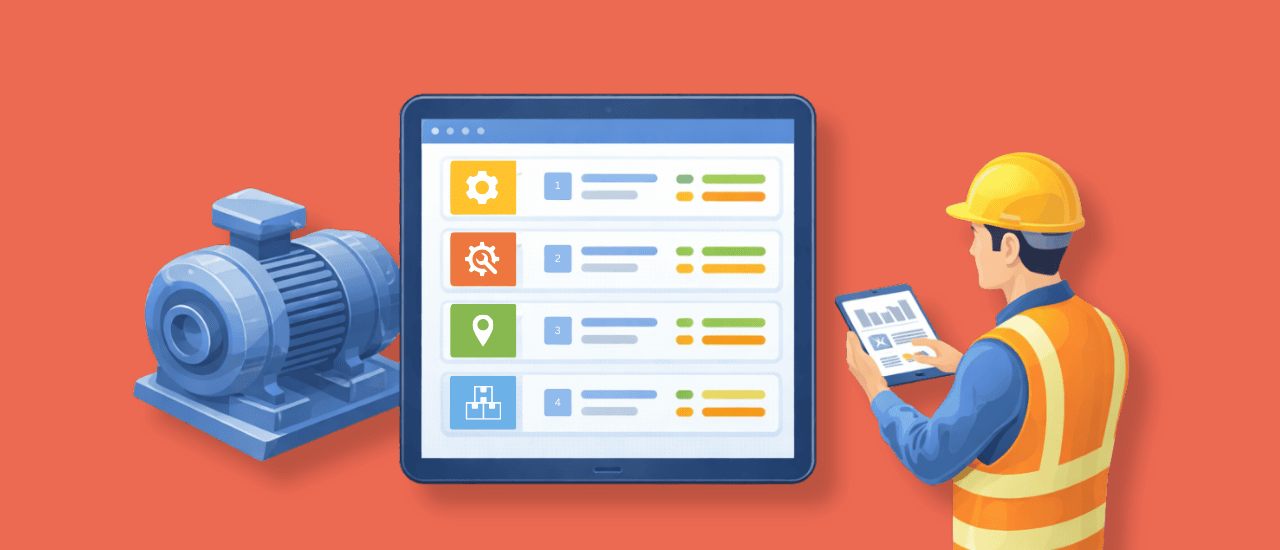
Why Enterprises Are Rethinking Asset Tracking in 2026
Enterprise expectations have changed significantly.
1. Distributed operations increase complexity
With assets spread across regions, simple asset tracking no longer provides enough clarity to manage complexity effectively.
2. Leadership demands performance insight
Executives want to understand how assets contribute to results, not just where they are located.
3. Cost pressures require better utilization
Rising costs force enterprises to focus on optimization, not ownership. Asset intelligence supports this shift.
4. Risk management requires predictive insight
Enterprises need early warning signals to manage operational and compliance risks.
5. Competitive advantage depends on smarter decisions
Organizations that leverage asset intelligence outperform those that rely only on tracking and monitoring.
What Enterprises Actually Need from Asset Intelligence in 2026

As enterprises mature, expectations from asset systems move far beyond basic visibility. What organizations truly need in 2026 is a capability that connects assets to outcomes.
1. A unified view across tracking monitoring and intelligence
Enterprises no longer benefit from disconnected tools. Asset intelligence works best when it unifies asset tracking, asset monitoring, and performance analysis into a single view. This unified approach eliminates silos and enables leaders to understand how assets behave across locations and business units.
2. Context driven insights instead of raw data
Raw data does not drive decisions. Asset intelligence adds context by linking usage, condition, and operational impact. This allows enterprises to understand not just what is happening, but why it matters and what action to take.
3. Predictive insight for proactive decision making
In 2026, reacting to asset issues is not enough. Asset intelligence enables predictive insight by identifying patterns that signal future inefficiencies, failures, or underuse. This supports proactive planning and better risk management.
4. Alignment with business and financial goals
Asset intelligence connects asset behavior to financial and operational metrics. Leaders can evaluate how assets affect cost control, productivity, and return on investment rather than managing assets in isolation.
5. Scalability across complex enterprise environments
As enterprises expand, systems must scale without losing clarity. Asset intelligence supports complexity by revealing patterns across thousands of assets and multiple locations.
The Role of Asset Tracking and Monitoring Inside Intelligence Led Models
While intelligence leads strategy, tracking and monitoring still play important roles.
1. Asset tracking as the foundational visibility layer
Asset tracking remains essential for understanding where assets are and who is responsible for them. It provides the base data required for any higher level analysis.
2. Asset monitoring as the operational signal layer
Asset monitoring adds operational signals such as usage frequency, status, and condition. These signals feed intelligence systems with real time activity data.
3. Remote asset monitoring for distributed operations
Remote asset monitoring enables oversight without physical presence. This is critical for enterprises managing infrastructure, fleets, or equipment across regions.
4. Integration of tracking and monitoring data
When asset tracking and asset monitoring data are integrated, enterprises gain a richer view of asset behavior. This integration is what allows asset intelligence to generate meaningful insights.
5. Avoiding tool sprawl through unified platforms
Enterprises increasingly prefer consolidated platforms over multiple disconnected tools. Intelligence led systems reduce complexity and improve adoption.
Enterprise Use Cases Where Asset Intelligence Delivers Real Value
Asset intelligence delivers measurable value across industries and functions.
1. Manufacturing environments with high asset density
Manufacturers rely on asset intelligence to understand machine usage, downtime trends, and productivity gaps. This improves throughput and reduces unnecessary capital investment.
2. Logistics and transportation operations
Fleet heavy organizations use intelligence to evaluate route efficiency, vehicle utilization, and maintenance timing. Asset tracking alone cannot provide this level of insight.
3. Corporate IT and workplace environments
Enterprises managing devices across offices benefit from intelligence that highlights underused equipment and supports better allocation decisions.
4. Infrastructure and utilities management
Remote asset monitoring combined with intelligence allows early detection of risks and supports compliance across distributed infrastructure.
5. Regulated industries with audit pressure
Asset intelligence simplifies audits by maintaining continuous records that show usage, condition, and accountability over time.
What to Look for in Enterprise Asset Tracking Software
Not all systems are designed to support intelligence driven outcomes.
1. Ability to support enterprise asset tracking at scale
Enterprise asset tracking requires handling thousands of assets without performance loss. Scalability is essential for long term success.
2. Built in intelligence and analytics capabilities
Modern enterprise asset tracking software must include analytics that transform data into insight. Without this, systems remain operational tools.
3. Support for asset monitoring and remote oversight
Enterprises need monitoring capabilities that work across locations. Remote asset monitoring ensures consistent visibility without manual intervention.
4. Integration with existing enterprise systems
Asset intelligence works best when connected to finance, operations, and planning systems. Integration ensures insights are actionable.
5. Flexibility to evolve with business needs
Enterprises change rapidly. Systems must adapt without requiring major reconfiguration or replacement.
Enterprise Asset Tracking Software and the Shift to Intelligence
Technology choices play a major role in enabling intelligence.
1. From record keeping to insight generation
Enterprise asset tracking software has evolved from record keeping tools to insight driven platforms. This shift supports smarter decision making.
2. Combining monitoring data with business context
By combining asset monitoring data with operational context, enterprises gain deeper understanding of asset impact.
3. Supporting enterprise asset tracking across locations
Enterprise asset tracking ensures consistency across sites. When combined with intelligence, it reveals patterns that local views miss.
4. Reducing dependency on manual analysis
Automation reduces reliance on manual reporting. This improves accuracy and speeds up decision cycles.
5. Enabling long term asset planning
Intelligence driven systems support lifecycle planning and investment optimization.
Conclusion
In 2026, enterprises face a clear choice. Continue relying on asset tracking and asset monitoring as isolated tools, or adopt asset intelligence as a strategic capability. While tracking and monitoring remain necessary, they are no longer sufficient on their own.
Asset intelligence enables enterprises to understand how assets truly contribute to performance, cost control, and growth. By combining visibility, monitoring, and insight, organizations move from reactive management to proactive optimization. Enterprises that embrace asset intelligence today position themselves to make smarter decisions, reduce waste, and build long term resilience.
Frequently Asked Questions on Asset Intelligence and Tracking
How is asset intelligence different from asset tracking
Asset tracking focuses on location and ownership. Asset intelligence focuses on performance, impact, and optimization.
Does asset monitoring replace asset tracking
No. Asset monitoring builds on asset tracking by adding activity and condition data.
Why is remote asset monitoring important in 2026
Remote asset monitoring supports distributed operations and reduces dependency on physical inspections.
Can enterprise asset tracking software support intelligence
Yes, when designed with analytics and integration capabilities.
When should enterprises move beyond tracking alone
Enterprises should adopt asset intelligence when scale, cost pressure, and complexity increase.









.png)

