






The organization
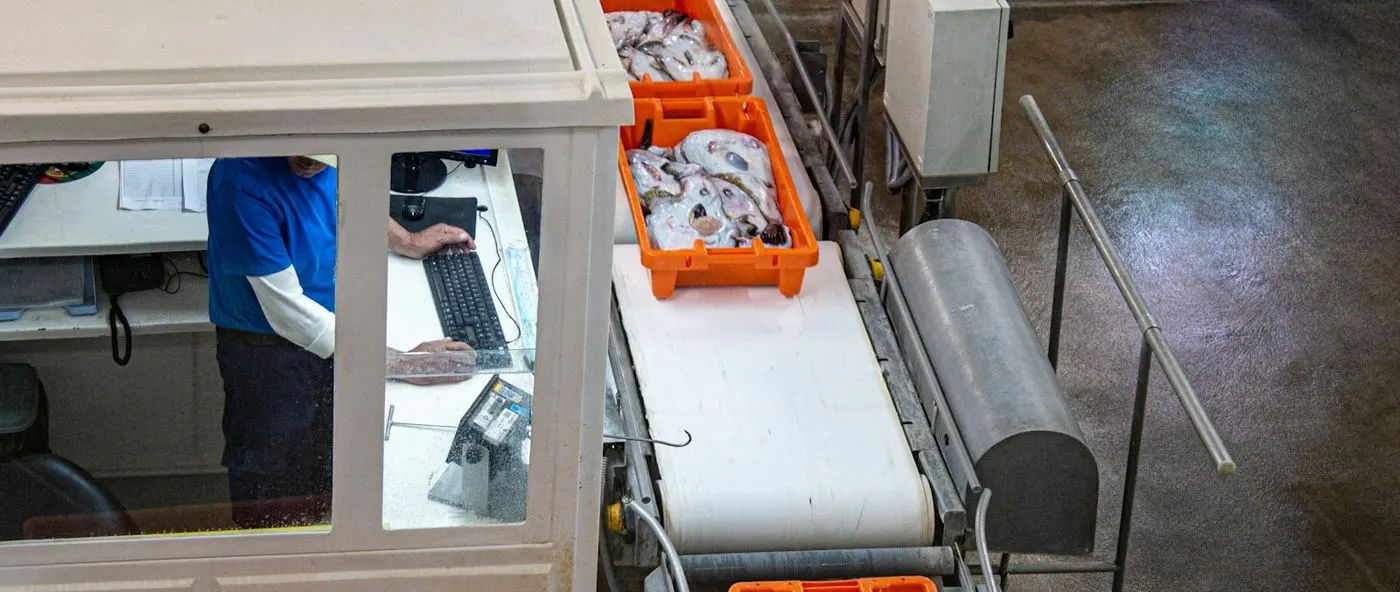
A food processing plant makes packaged foods on several production lines, with mixers, fillers, ovens, conveyors and packing machines running two shifts a day.
A sanitation crew cleans the lines every night, and food safety auditors expect proof that cleaning, maintenance and safety steps were done and signed.
The challenge
Breakdowns stop lines, planned maintenance is squeezed out by firefighting, and sanitation and lockout records are kept on paper forms that are hard to find in an audit.
- Preventive work slips when production is busy.
- Sanitation checklists are paper forms that go missing.
- Lockout steps are trusted rather than recorded before work starts.
- A critical spare is out of stock when a line goes down.
- Auditors get binders instead of a clear record per line.
How it is set up in Asset Infinity
The plant runs maintenance, sanitation and spares in Asset Infinity, with each line and machine in one register.
Line equipment plans
Mixers, fillers, ovens and conveyors have preventive plans by date or by meter, scheduled into planned downtime. (Maintenance)
Sanitation inspections
Nightly sanitation checklists have required fields, readings and photos, with a supervisor’s signature. A failed check raises corrective work before start-up. (Maintenance)
Lockout permits
Work on a line needs an approved permit with an isolation and lockout checklist before the technician starts. (Maintenance)
Spares with reorder points
Belts, bearings, seals and sensors have reorder points. Low stock produces reorder advice, which becomes a purchase request and a purchase order. (Stores)
How it works day to day
Here is how a day and a night on the lines run in Asset Infinity.
- System: plans fall due. A filler’s preventive plan creates a work order for Saturday’s planned downtime, with the task list and parts needed.
- Maintenance technician: gets the permit. Before work, the technician completes the lockout checklist on the permit. The supervisor approves it in the app.
- Maintenance technician: does the work. The technician scans the filler’s label, issues seals and a bearing from the storeroom to the work order, records readings and closes the job.
- System: advises a reorder. The bearing stock drops below its reorder point, so reorder advice appears for the storekeeper.
- Storekeeper: orders the spares. The reorder advice becomes a purchase request, then a purchase order to the supplier after approval.
- Sanitation lead: runs the nightly inspection. Each line’s sanitation checklist records the steps, readings and photos, and the lead signs. A failed check raises corrective work before start-up.
- Plant manager: reviews the week. Dashboards show plans done, open breakdowns, sanitation results and low stock, and a scheduled report goes to the quality team.
Before and after
| Before | With Asset Infinity | |
|---|---|---|
| Preventive work | Squeezed out by breakdowns | Plans that fall due into planned downtime |
| Sanitation records | Paper forms that go missing | Signed checklists with readings and photos |
| Lockout | Trusted, not recorded | An approved permit before work starts |
| Critical spares | Out of stock when needed | Reorder points and reorder advice |
| Audits | Binders per line | A record per machine and line |
The first month
- Lines and spares loaded. Lines, machines and the storeroom’s spare parts are imported, and machines get QR labels.
- Checklists and permits. Sanitation checklists and lockout permit steps are set up for each line.
- First plans and reorder points. Preventive plans start for critical machines, and reorder points are set for critical spares.
Example results
- Every line job starts with an approved lockout permit
- 100% of sanitation checks recorded with readings and signatures
- Every critical spare part with a reorder point
- Lockout steps are recorded and approved for each job, not trusted.
- Parts used are issued to the work order, so costs are known per machine.
- Failed sanitation checks are closed before the line restarts.
- Repair history shows which machines cause the most stoppages.
Why it worked
Safety on record
Each job starts with an approved lockout permit, so isolation is checked and recorded every time.
Clean lines, proven
Sanitation checks are signed and stored per line, and a failed check is fixed before production restarts.
Parts on the shelf
Reorder points flag low stock early, so a line is not left waiting for a bearing or a seal.
Looking ahead
With plans, sanitation checks, permits and spares in one system, the plant runs planned work in planned downtime and finds the part on the shelf when a line does stop.
Every cleaning, permit and repair is signed and stored against the machine, so a food safety audit is answered from the record rather than a stack of binders.