






The client
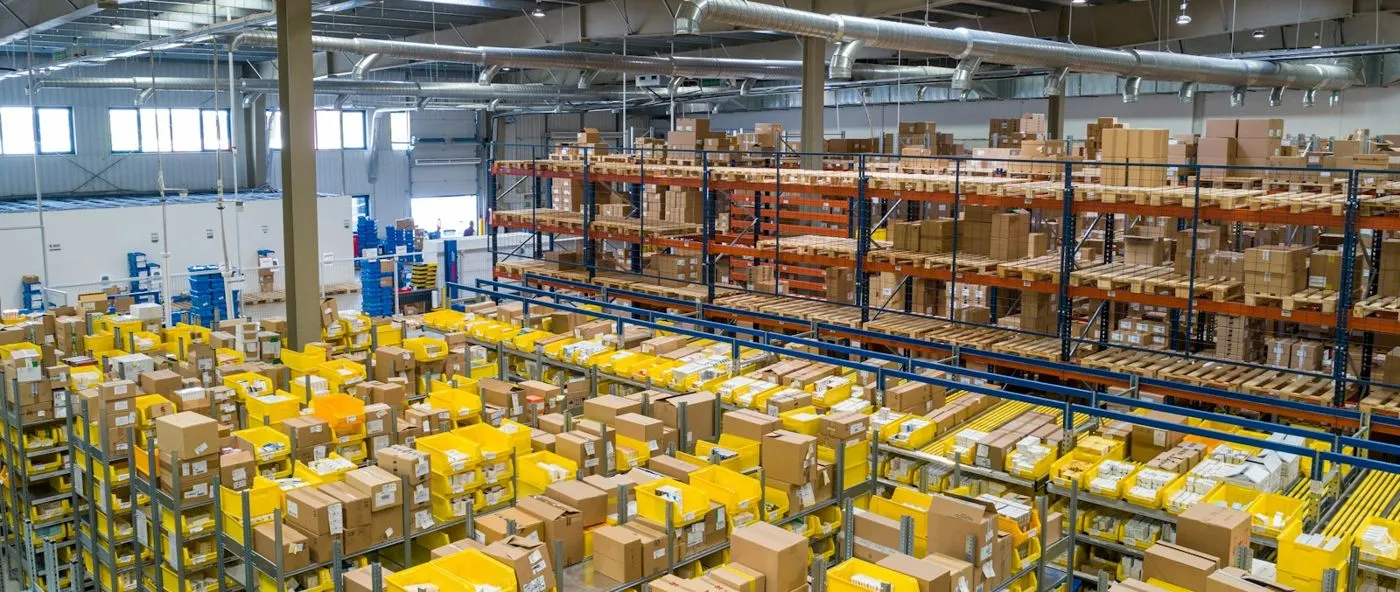
The client is a large FMCG enterprise headquartered in Dubai, with warehouses and distribution facilities across the Middle East.
Warehouse, procurement and finance teams all depend on the same inventory figures. Each team worked in its own system, and the ERP and financial applications held their own copies of stock data.
The challenge
Stock data existed, but keeping it consistent across warehouse, procurement, ERP and finance meant entering it more than once and reconciling the systems by hand.
- Inventory data was entered manually into more than one system.
- Teams reconciled records between systems again and again.
- Separate reporting by department led to duplicate records and delays.
- Purchasing decisions risked errors from out-of-date stock figures.
- Cost visibility was limited.
What they set up in Asset Infinity
The enterprise ran inventory in Asset Infinity and connected it to its existing ERP and financial applications through the API, so every system shares the same stock data.
Inventory across warehouses
Stock in every warehouse and distribution facility is held in one inventory, standardized so it lines up with the connected systems. (Stores)
Connected to the ERP through the API
Inventory data is exchanged with the enterprise’s ERP and financial applications through the API, replacing duplicate manual entry. (Platform)
Purchasing on current stock
Procurement works from current inventory figures, so purchase requests reflect what is actually in the warehouses. (Suppliers)
Consistent reporting
Operational and financial reports draw on the same inventory data, so departments no longer compile separate versions. (Insight)
How it works day to day
Here is how inventory data now moves between teams and systems.
- Warehouse staff: receive stock. Goods arriving at a warehouse are received against the purchase order, and stock on hand updates once, in one place.
- Warehouse staff: issue and transfer. Stock issued or moved between warehouses and distribution facilities is recorded against both locations.
- System: shares data with the ERP. Inventory changes are exchanged with the ERP and financial applications through the API, so nobody re-enters them.
- System: flags low stock. Reorder advice flags items running low, based on current quantities across warehouses.
- Purchasing team: raises purchases on real figures. Purchase requests are raised from current stock data, so the team buys what is actually needed.
- Finance team: reports without reconciling. Finance works from the same inventory data the warehouses use, so records no longer have to be compared between systems by hand.
- Management: reviews stock and cost. Reports combine inventory and cost information, giving managers one view across warehouses.
Before and after
| Before | With Asset Infinity | |
|---|---|---|
| Data entry | Manual, repeated in several systems | Entered once, shared through the API |
| Reconciliation | Repeated manual comparisons | Systems share the same data |
| Reporting | Separate per department, often delayed | Consistent data for operations and finance |
| Purchasing | Risk of errors from stale figures | Decisions on current inventory |
| Cost visibility | Limited | Operational and financial data connected |
How it rolled out
- Data flows mapped. The team reviewed existing flows and identified which inventory information had to move between systems.
- API connected and data aligned. Asset Infinity was connected to the ERP and financial applications, and inventory data was standardized across them.
- Tested, trained, supported. Data exchange was validated, teams were trained, and integrations were refined as needs changed.
The results
- Less duplicate data entry across inventory, ERP and finance
- Less manual reconciliation between separate systems
- Faster access to consistent data for operational and financial reporting
- Purchasing decisions based on accurate, current stock
- Stronger cost control through connected operational and financial data
- Better coordination between inventory and finance teams
Why it worked
Mapped before connecting
The team agreed which data had to move between systems first, so the integration solved the right problem.
Tested end to end
Data exchange and reporting were validated before go-live, so teams trusted the numbers from day one.
Maintained as needs changed
Integrations were monitored and adjusted as business requirements evolved.
Looking ahead
The FMCG enterprise moved from disconnected inventory records to connected workflows across ERP, finance, procurement and warehouse operations.
Inventory data now flows between systems instead of being typed twice and reconciled by hand. That has improved reporting accuracy, purchasing visibility and cost control.