






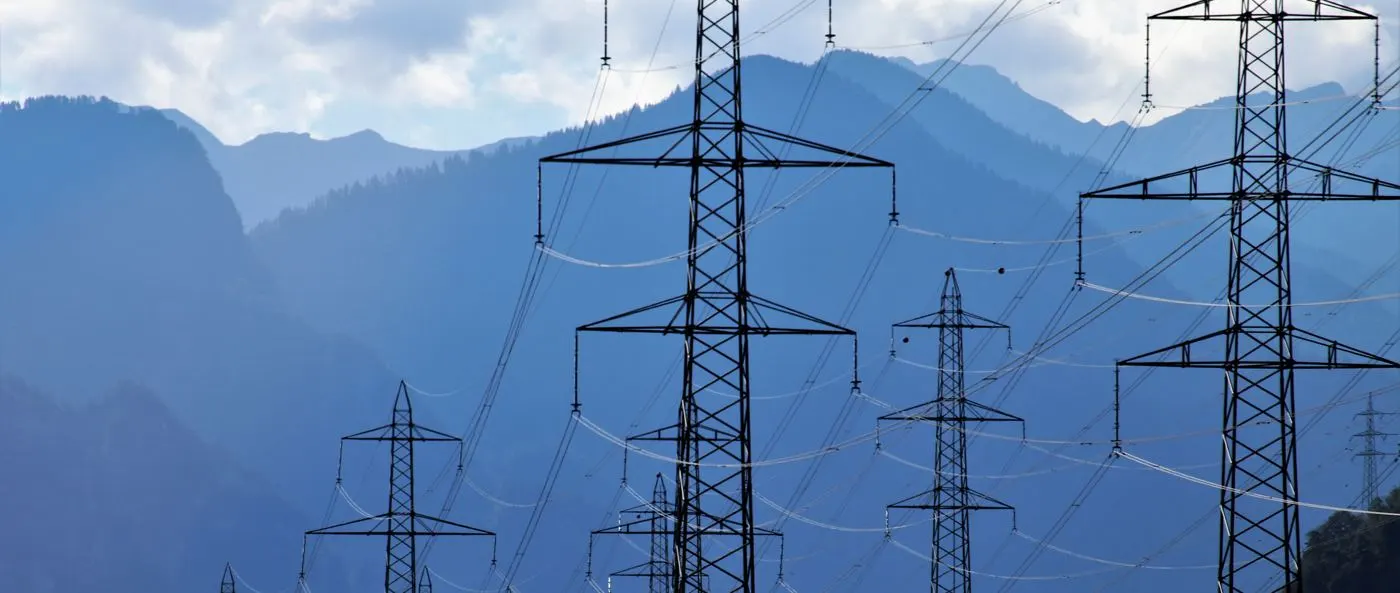
The client
The client is a large electricity distribution company managing a region-wide network of towers and meters.
Meter reading, tower inspections and maintenance scheduling were all done by hand. Each needed people on the street, which made the work expensive and prone to errors.
The challenge
Manual meter reading, frequent tower inspections and hand-made maintenance schedules took large field teams and still produced errors. The distributor wanted to need fewer people on the street.
- Meters were read manually, needing large on-street teams.
- Towers were inspected frequently by hand, whether they needed it or not.
- Maintenance was scheduled manually and prone to errors.
- Little timely information about tower condition between visits.
What they set up in Asset Infinity
After a joint assessment, the distributor configured Asset Infinity for its meters, towers and field work, fed by automated readings and sensors.
Automated meter readings
Readings from the advanced metering infrastructure arrive through the API and are recorded against each meter, replacing most manual reading rounds. (Energy)
Sensors on towers
IoT sensors report tower condition and energy readings. When a reading crosses its limit, a work order is raised for the field team. (Connected)
Inspections when needed
Tower inspections are driven by sensor limits and planned schedules, so crews visit the towers that need attention rather than every tower on rotation. (Maintenance)
Network view
Dashboards show readings, open work and tower condition across the region, so managers plan field resources from data. (Insight)
How it works day to day
Here is how meters and towers are looked after across the network now.
- System: collects meter readings. Readings from the metering infrastructure arrive through the API and are stored against each meter, without a reader on the street.
- System: watches tower sensors. Sensor readings from each tower are recorded. When one crosses its limit, a work order is raised automatically.
- Field supervisor: dispatches a crew. The supervisor assigns the work order to a field crew, who are notified on the mobile app with the tower and the reading that triggered it.
- Field technician: inspects and repairs. The technician works through the inspection checklist, records readings and photos, and closes the work order.
- System: runs planned work. Preventive plans raise scheduled inspections and maintenance where a tower needs them regardless of sensor readings.
- Operations manager: plans field resources. Dashboards show readings, open work and tower condition by area, so crews are allocated where they are needed.
Before and after
| Before | With Asset Infinity | |
|---|---|---|
| Meter reading | Manual, on-street teams | Automated readings; 40% less manual effort |
| Tower inspections | Frequent manual rounds | Driven by sensor limits; 30% fewer |
| Maintenance scheduling | Manual, prone to errors | Work raised by sensors and plans |
| Tower condition | Known only on visits | Monitored remotely |
| Operational costs | High manual effort | 15% lower |
How it rolled out
- Needs assessment. The client and the Asset Infinity team reviewed tower management, meter reading and field operations.
- Meter data connected. Advanced metering infrastructure was introduced and its readings fed into Asset Infinity.
- Tower monitoring deployed. Monitoring was installed on towers, with limits set to raise work for field crews.
The results
- 40% less manual meter reading effort
- 30% fewer manual tower inspections
- 15% lower operational costs
- 25% improvement in identifying tower maintenance needs and acting on them
- 20% improvement in overall operational efficiency
- Fewer field visits and better use of field resources
Why it worked
Readings replace rounds
Automated meter readings and tower sensors removed the need for most routine visits.
Work raised by the data
A reading past its limit creates the work order itself, so problems get attention promptly.
Fitted to operations
Configuration started from a joint assessment of the client’s towers, meters and field teams.
Looking ahead
By bringing automated meter readings and tower sensors into one system, the distributor sends crews where readings show they are needed, cutting manual effort and cost across its network.
The readings and work history now collected for every tower and meter give the distributor a sound basis for planning maintenance across the region.