






The client
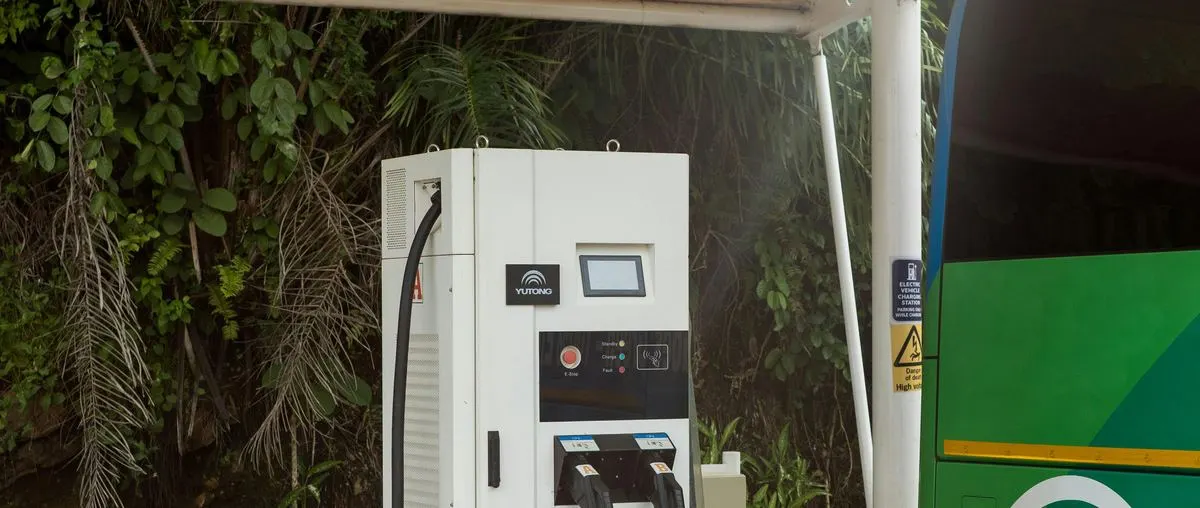
The client is a fast-growing operator of public and semi-public EV charging stations across urban and highway locations.
Its network includes AC chargers, DC fast chargers, charging cabinets, connectors, cooling systems and metering hardware. As the market grew, high uptime, quick fault repair and accurate technical records became essential to revenue and reputation.
The challenge
Running a spread-out charging network brought the same problems again and again. Chargers went down without anyone noticing, repairs waited for parts, and information was scattered across spreadsheets, chat groups and paper checklists.
- Missed preventive maintenance caused silent hardware downtime.
- Technician logs were inaccurate or incomplete, making root-cause analysis difficult.
- Poor tracking of spares and consumables delayed repairs.
- Stations marked OK on paper were out of service on site.
- No central view of charger health, service history or mean time to repair.
What they set up in Asset Infinity
The operator ran maintenance, spares and technician work for every charging site in Asset Infinity, with each charger recorded as an asset.
PM plans for every charger
Preventive plans built on manufacturer rules generate work for each charger, with mobile checklists that require every field. Overdue PM triggers reminders and escalation. (Maintenance)
Complete technician logs
Technicians record visits, repairs and diagnostics as they work, with time stamps, photos, voltage and temperature readings and a signature. (Work)
Spares on hand
Connectors, cables, control boards, contactors, fuses and cooling fans are tracked with low-stock reorder advice, and every part is traced to the charger and technician. (Stores)
Charger health dashboard
One view shows charger status, faults, last maintenance, pending repairs and cumulative downtime, highlighting the critical chargers that need attention. (Insight)
How it works day to day
Here is how a charging site stays up now.
- System: raises charger PM. Each charger’s preventive plan creates a work order when maintenance is due, with its checklist attached.
- System: turns alerts into work. Alerts from the charger management system arrive through the API, so a faulty charger gets a work order instead of an OK on paper.
- Cluster supervisor: assigns the technician. The supervisor assigns the job, and the technician is notified on the mobile app.
- Technician: works and records on site. The technician completes the checklist, enters voltage and temperature readings, adds photos and signs off. Required fields cannot be skipped.
- Storekeeper: keeps spares ready. Parts are issued against the work order. Reorder advice flags connectors, boards or fuses running low before a repair waits for them.
- System: escalates what is late. Overdue PM and repairs trigger reminders and escalate to the supervisor.
- Operations manager: watches network health. The dashboard shows status, faults, downtime and repair times by charger and cluster, pointing to the chargers most at risk.
Before and after
| Before | With Asset Infinity | |
|---|---|---|
| Preventive maintenance | Cycles missed, silent downtime | Plans for every charger, with escalation |
| Technician logs | Inaccurate or incomplete | Time-stamped, with readings, photos and signature |
| Spares | Poorly tracked, repairs delayed | Low-stock advice and full traceability |
| Charger status | OK on paper, down on site | Status and faults in one dashboard |
| Information | Spreadsheets, chat groups, paper | One system for every site |
| Network uptime | Lost to avoidable outages | 9.4% recovered in 90 days |
How it rolled out
- Phased by hub and city cluster. The system was deployed across charging hubs and city clusters in phases, with zero disruption to daily charging.
- Charger management system connected. The existing charger management system was connected through the API so alerts reach the maintenance team.
- Teams trained hands-on. Operators, technicians and regional teams were trained through hands-on sessions.
The results
- 9.4% recovery in overall network uptime within the first 90 days
- 35% fewer repeated breakdowns through structured PM compliance
- 100% technician accountability with logged service visits
- Faster repairs through better spare-part availability
- Accurate failure pattern insight that helped reduce mean time to repair
- Fewer surprise outages and a more reliable experience for EV drivers
- Better coordination between maintenance, inventory managers and cluster supervisors
Why it worked
Downtime made visible
Linking charger alerts to work orders meant a down charger could no longer sit unnoticed.
Logs that hold up
Required fields, readings and signatures made every visit accountable and gave engineers data to find causes.
Parts before the repair
Reorder advice kept spares in stock, so repairs did not wait for parts.
Looking ahead
By putting preventive maintenance, technician logs and spares in one system, the operator ended silent downtime and recovered 9.4% of network uptime in the first 90 days.
More uptime means more charging sessions and revenue. The same records give the operator a base that can grow with the network as new sites are added.