






The organization
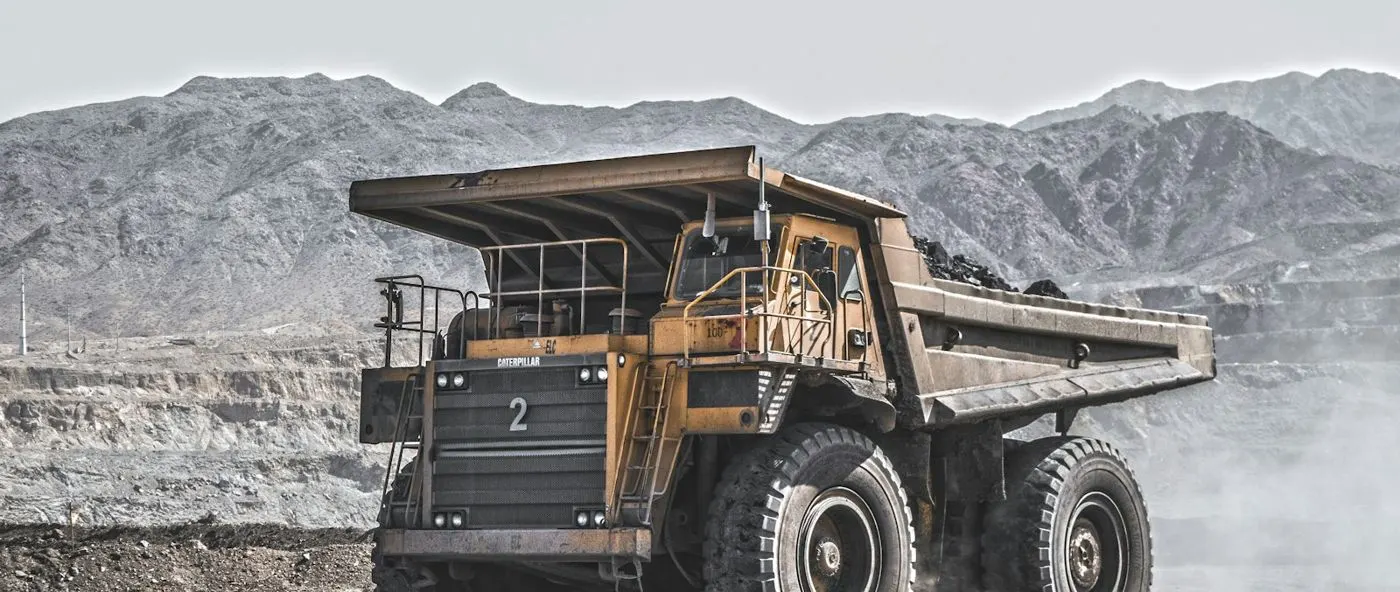
An open-pit mine runs its own fleet of haul trucks, wheel loaders, dozers and graders around the clock, maintained by an on-site workshop.
Each machine is expensive and production depends on fleet availability. Engines, transmissions, final drives and tires are tracked as components, and major work is planned into shutdowns so the pit is not caught short of trucks.
The challenge
Service intervals are set in engine hours, but the hours come from operators’ logs that are late or wrong. Component changes and failures are recorded in spreadsheets.
- Services run early or late because hour readings are unreliable.
- Major work is scheduled ad hoc instead of grouped into shutdowns.
- Component history is lost when a part moves between machines.
- The same failures repeat because causes are not recorded.
- Parts for planned work are not reserved in time.
How it is set up in Asset Infinity
The mine registers every machine and major component in Asset Infinity, with GPS trackers feeding engine hours into maintenance plans.
Engine hours from GPS trackers
A GPS tracker on each machine reports location and engine hours, which update the machine’s meter-based plans without anyone reading a gauge. (Connected)
Plans by engine hours
Services at 250, 500 and 1,000 hours raise work orders when a machine reaches them, so planners see what is coming due. (Maintenance)
Shutdowns and root cause
Major work is grouped into planned shutdowns. A significant failure gets a root cause analysis recorded against the machine and component. (Maintenance)
Component history
Engines, transmissions and final drives are recorded as assets of their own, so their hours, repairs and moves between machines stay with them. (Assets)
How it works day to day
Here is how a haul truck’s maintenance runs from its hours to the workshop floor.
- System: collects engine hours. The truck’s GPS tracker reports engine hours. They update the truck’s meter, and each hour-based plan counts toward its next service.
- System: raises the service. When the truck reaches 500 hours, the plan raises a service work order with its checklist and the parts it needs.
- Maintenance planner: schedules into a shutdown. Larger jobs, such as a final drive change, are grouped into the next planned shutdown so the truck comes off the haul road once.
- Storekeeper: prepares the parts. Filters, oils and components for the planned work are issued to the work orders from the workshop store.
- Mechanic: does the work. The mechanic completes the checklist, records readings and photos, and logs any component fitted or removed by its serial.
- Reliability engineer: investigates a failure. When a transmission fails early, a root cause analysis is recorded against the truck and the component, with the actions agreed.
- Maintenance manager: reviews the fleet. Dashboards show services due by hours, work completed, and the machines and components that fail most often.
Before and after
| Before | With Asset Infinity | |
|---|---|---|
| Engine hours | Operator logs, often late | Reported by GPS trackers |
| Service timing | Early or late | Raised at the hours on each plan |
| Major work | Scheduled ad hoc | Grouped into planned shutdowns |
| Component history | Lost when parts moved | Kept on each component |
| Repeat failures | Causes not recorded | Root cause recorded per failure |
| Parts for planned work | Found missing on the day | Issued to the work order in advance |
The first month
- Fleet and components imported. Machines and their major components were imported with serials, hours and current position.
- Trackers linked. Each machine’s GPS tracker was linked to its asset, and engine hours checked against the gauge.
- Plans and shutdowns set. Manufacturer intervals became hour-based plans, and the next quarter’s major work was grouped into shutdowns.
Example results
- Every haul truck and loader on service plans fed by its own engine hours
- 0 hour readings typed in by hand for tracked machines
- Every major failure closed with a recorded root cause
- Planners see each machine’s upcoming services from actual engine hours.
- Major work is grouped into shutdowns with parts reserved in advance.
- A component’s full history follows it from one machine to the next.
- Root causes recorded on failures show which problems keep coming back.
Why it worked
Hours nobody has to read
Trackers report engine hours directly, so plans run on accurate figures instead of handwritten logs.
Components keep their story
A rebuilt engine carries its hours and repairs with it, whichever truck it is fitted to next.
Failures teach something
Each major failure ends with a recorded root cause, so the same failure is less likely to happen twice.
Looking ahead
With engine hours arriving from the machines themselves, the mine’s workshop services each truck and loader on time and plans major work into shutdowns rather than reacting to breakdowns.
Component history and root cause records give reliability engineers the evidence to change intervals, operating practice or suppliers when a failure keeps returning.