






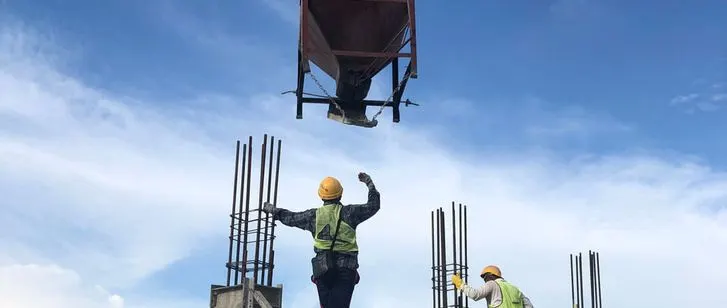
The client
The client is a large construction and infrastructure firm with projects across many locations.
Construction materials, tools and equipment are spread across large warehouses, remote sites and project locations. Tracking them and auditing stock were manual processes, and mistakes showed up as losses, waste and project delays.
The challenge
Keeping track of materials, tools and equipment across many locations was a logistical challenge. Manual tracking and stock audits produced inaccurate records, which led to inefficiency and delays on projects.
- Materials, tools and equipment spread across warehouses, remote sites and projects.
- Manual inventory tracking produced inaccurate records.
- Stock audits were manual and hard to do well at remote sites.
- Material shortages delayed projects.
- Inaccurate stock led to losses, waste and unnecessary purchasing.
What they set up in Asset Infinity
The firm managed its inventory in Asset Infinity across every warehouse, site and project location, with RFID, barcode scanning and audits in the mobile app.
Stock at every location
Warehouses, remote sites and project locations are each set up as stock locations, so materials are tracked wherever they are. (Stores)
RFID tracking
RFID tags on materials, tools and equipment allow quick identification with readers, improving accuracy across diverse locations. (Connected)
Mobile stock audits
On-site staff count stock in the mobile app, even at remote locations, and the results update the records directly. (Stores)
Barcode scanning
Barcode labels make identifying items quick and accurate, speeding up data entry and reducing errors. (Assets)
How it works day to day
Here is how materials, tools and equipment are tracked across the firm’s sites.
- Warehouse team: receives and tags. Incoming materials, tools and equipment are received into the warehouse location and identified by RFID tag or barcode.
- Site supervisor: checks stock before work. Before a job starts, the supervisor checks what the site holds and what is available at the warehouse or other projects.
- Warehouse team: sends to site. Stock sent to a project is recorded as a transfer, so it leaves the warehouse and arrives at the site on record.
- Site staff: issues materials. Materials used on the job are issued from the site’s stock with a scan, keeping quantities current.
- Site staff: runs a mobile audit. Staff count stock on site in the mobile app, even at remote locations. Differences are adjusted on the spot.
- System: flags shortages. When an item falls below its reorder point, reorder advice shows it, so shortages are dealt with before they delay a project.
- Project manager: reviews stock across projects. Reports show stock by location and movements across sites, which guide purchasing and prevent buying what is already held elsewhere.
Before and after
| Before | With Asset Infinity | |
|---|---|---|
| Inventory records | Manual and inaccurate | 50% more accurate |
| Identification | Manual entry, frequent errors | RFID and barcode scans |
| Stock audits | Manual, hard at remote sites | Mobile audits, 25% more accurate |
| Material shortages | Caused project delays | 30% fewer delays |
| Visibility | Fragmented across warehouses and sites | One view across all locations |
How it rolled out
- Needs assessment. The firm and the Asset Infinity team reviewed multi-location inventory workflows and requirements for materials, tools and equipment.
- Configuration. The system was configured for RFID tracking, mobile audits, multiple locations and barcode scanning.
- Tagging and locations. Materials, tools and equipment were tagged, and project sites, warehouses and remote areas were set up as locations.
The results
- 50% improvement in inventory accuracy
- 30% fewer project delays caused by material shortages
- 25% increase in audit accuracy
- 20% increase in operational efficiency
- 15% decrease in unnecessary purchasing and material costs
- Fewer losses and less waste across locations.
- Reliable audit data from remote sites for decision-making.
Why it worked
Every location counts
Warehouses, remote sites and projects share one inventory, so stock is visible wherever it sits.
Audits where the stock is
Mobile counts at the site itself replaced paper audits and made the data reliable.
Scans cut errors
RFID and barcodes identify items quickly, which removed most manual entry mistakes.
Looking ahead
By tracking materials, tools and equipment across every location with RFID, barcodes and mobile audits, the firm improved inventory accuracy by 50%, cut delays from material shortages by 30% and made its audits 25% more accurate.
Projects now start with the materials they need, and purchasing is based on what the firm actually holds.