






The client
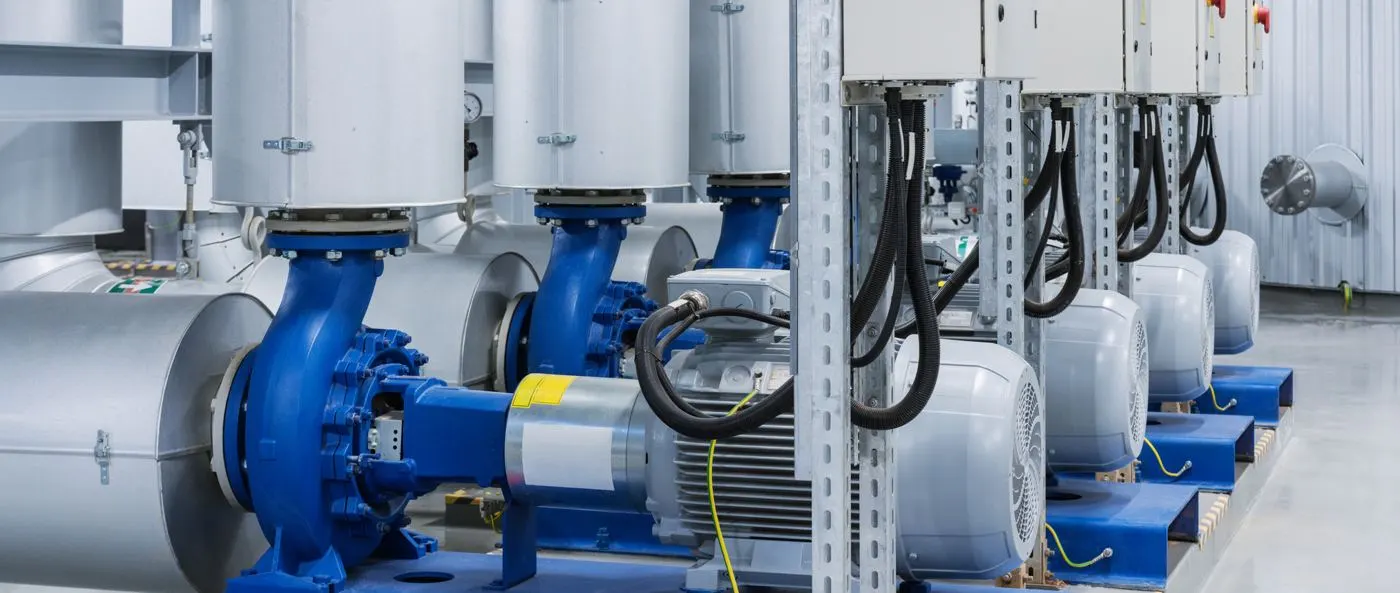
The client is a major urban water utility supplying potable water across multiple districts. It runs pumping stations, treatment plants, transmission mains, distribution networks, valves, reservoirs and metering infrastructure.
With urban demand rising, any unplanned downtime quickly affects water pressure, supply continuity and how residents see the service.
The challenge
Service disruptions were frequent. Maintenance records were scattered, field reports were incomplete, and nobody had one view of outages or where problems kept recurring.
- Pump maintenance logs spread across paper registers and WhatsApp updates.
- Valves not inspected or exercised on time, then stuck during emergencies.
- Poor tracking of bearings, seals, impellers, actuators and electrical spares.
- Incomplete or inconsistent service logs from field technicians.
- Slow to spot overheating motors, vibration or suction problems.
What they set up in Asset Infinity
The utility connected field teams, pump houses, storekeepers and the control room in Asset Infinity, with every pump and valve in one asset register.
Pump and valve schedules
Preventive plans cover all rotating, electrical and valve assets, with required vibration, motor temperature, pressure and seal checks, and valve lubrication and exercise cycles. (Maintenance)
Field logs in the mobile app
Technicians record breakdowns, leaks, valve issues and pressure drops with photos, readings and the repair carried out, replacing handwritten notes. (Work)
Spares tracked by station
Bearings, pump sets, gaskets, actuators, contactors and panels are tracked end to end, with reorder advice before stock runs out. (Stores)
Pump house dashboard
Supervisors see open jobs, valve exercise history, pump runtime and the locations that fail most, and act on high-risk stations first. (Insight)
How it works day to day
This is how a day of network maintenance runs for the utility now.
- System: schedules pump and valve work. Preventive plans raise work orders by date or pump runtime, so inspections and valve exercise cycles are never left to memory.
- Technician: records readings on site. The inspection checklist asks for vibration, motor temperature, pressure and seal condition. Required fields and photos cannot be skipped.
- System: raises corrective work. A failed check can raise a corrective work order straight away, so a worn seal or noisy bearing is fixed before the pump fails.
- Technician: logs a breakdown. Leaks, pressure drops and stuck valves are reported from the mobile app with photos, readings and the repair carried out.
- Storekeeper: issues spares to the job. Bearings, gaskets and contactors are issued to the work order. Reorder advice flags items running low before the next repair needs them.
- System: escalates overdue PM. Maintenance that passes its due date is escalated to the station supervisor.
- Engineering team: finds the recurring failures. Dashboards show stations with overheating pumps, zones with sticking valves and breakdowns linked to skipped PM, so long-term fixes can be planned.
Before and after
| Before | With Asset Infinity | |
|---|---|---|
| Pump maintenance logs | Paper registers and WhatsApp | Recorded in the app against each pump |
| Valve exercise | Missed, valves stuck in emergencies | Scheduled with reminders and escalation |
| Spare parts | Poorly tracked | Tracked by station with reorder advice |
| Field reports | Incomplete and inconsistent | Checklists with required readings and photos |
| Recurring problems | No central view | Visible by station and zone |
| Downtime | Frequent unplanned interruptions | 19% less across the network |
How it rolled out
- Every team included. Rolled out across pumping stations, treatment plants and network maintenance teams.
- History brought in. Historical logs were digitized so trends and root cause work had a starting point.
- Supply kept running. Field staff were trained on mobile workflows without affecting daily water supply.
The results
- 19% less downtime across pumping stations and network nodes
- 100% digital maintenance trail for audits
- Faster repairs thanks to consolidated field logs and spares on hand
- Recurring issues visible, leading to better planning and preventive action
- More reliable pumps and valves, and steadier water delivery
- Better coordination between pump operators, engineers and storekeepers
Why it worked
Field and office on one record
Technicians, storekeepers and the control room look at the same jobs, so nothing is relayed by phone.
Readings, not impressions
Vibration, temperature and pressure readings are captured at every visit, which makes early warning signs visible.
History drives fixes
Because every failure is recorded against an asset, engineers can see patterns and fix causes rather than symptoms.
Looking ahead
By centralizing pump logs, valve inspections, spare parts and field work, the utility cut downtime by 19% and kept water flowing with fewer unplanned interruptions.
The failure history now drives engineering decisions. Stations where pumps overheat and zones where valves stick show up in the data, so long-term fixes go where they are needed.