






The client
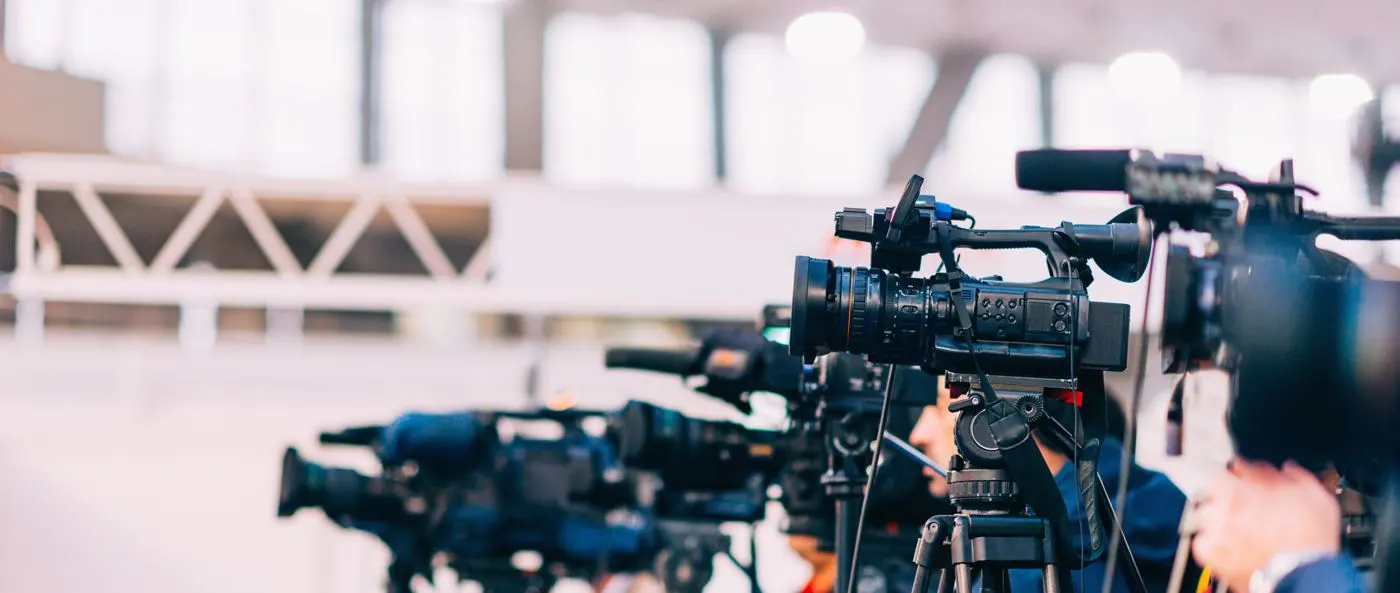
The client is a large events and media production company in India, running multi-city and international events across several regions.
Each event depends on AV, production and staging equipment arriving on time and working on the day. Several events often run at once, so the same pool of equipment is always being shared, moved and set up.
The challenge
Equipment was tracked through manual processes and fragmented systems. Without a live view, the company did not know what was available, and live events were disrupted.
- Equipment was misplaced across event locations.
- Setups were delayed waiting for equipment.
- Maintenance was inconsistent, causing last-minute failures.
- Assets sat unused while others were rented at short notice.
- Emergency rentals pushed up operating costs.
What they set up in Asset Infinity
The company centralized all equipment in Asset Infinity, with tracking, preventive maintenance and utilization reports built around its event operations.
One register for all equipment
AV equipment and staging materials are recorded in one register with QR or barcode labels, location and status. (Assets)
Check-out to events
Equipment is checked out to an event and returned against its record, so the team knows what is out, where, and what is free. (Assets)
Preventive maintenance
AV and production equipment follow preventive plans, so it is serviced between events instead of failing during one. (Maintenance)
Utilization reports
Reports show which equipment is used, idle or overdue across concurrent events, guiding deployment and purchase decisions. (Insight)
How it works day to day
This is how equipment moves through an event now.
- Event planner: checks what is available. Before an event, the planner sees which equipment is free, which is out at other events and which is in maintenance.
- Warehouse crew: checks equipment out. Each item is scanned in the mobile app and checked out to the event, so its location and holder are on record.
- Technical team: reports a fault. Equipment that fails on site is reported against its record, raising a work order for repair.
- Warehouse crew: checks it back in. After teardown, items are scanned back in. Anything not returned shows as overdue for that event.
- System: schedules maintenance. Preventive plans raise maintenance work orders when equipment is due, so it is ready before the next event.
- Operations head: reviews utilization. Reports show use and idle time by item, helping decide what to redeploy, buy or stop renting.
Before and after
| Before | With Asset Infinity | |
|---|---|---|
| Asset records | Manual and fragmented | One register for all equipment |
| Finding equipment | Misplaced across locations | 40% better tracking accuracy |
| Maintenance | Inconsistent, last-minute failures | Preventive plans, 30% less downtime |
| Rentals | Last-minute, costly | 25% lower emergency rental costs |
| Utilization | Assets underused | 35% better utilization |
| Setup and teardown | Delayed | 30% faster |
How it rolled out
- Assets digitized. All asset records, including AV equipment and staging materials, were brought into one register.
- Tracking and maintenance set up. Tracking and preventive maintenance schedules were configured, and the system was connected to planning and logistics tools.
- Trained and live. Operations and technical teams were trained hands-on, and the system went live across active events.
The results
- 30% less equipment downtime
- 25% lower emergency rental and replacement costs
- 35% better asset utilization
- 40% better asset tracking accuracy across event locations
- 30% faster event setup and teardown
- Asset management that scales with event volume and production complexity
Why it worked
Availability before rental
Seeing what is free across concurrent events stops the team renting what it already owns.
Ready for the day
Preventive maintenance between events means equipment fails in the workshop, not on stage.
Fits event planning
The connection to planning and logistics tools keeps equipment data in the tools the team already uses.
Looking ahead
By moving from reactive equipment handling to one central register, the company knows what it has, where it is and whether it is ready. Downtime fell by 30%, emergency rental costs by 25% and utilization rose by 35%.
Setup and teardown now run 30% faster, and the same system supports more events and more complex productions as the business grows.