


The client
The client is a large event management firm that runs events nationwide using an extensive stock of leased equipment.
Equipment goes out to an event, comes back and is prepared for the next one. Check-in, check-out and maintenance tracking were all done by hand.
The challenge
Manual check-in and check-out were slow and error-prone. Without a current view of what equipment was available, where it was and what state it was in, allocating equipment and planning events was harder than it needed to be.
- Check-in and check-out recorded by hand, with frequent errors.
- Maintenance tracking was manual and time-consuming.
- No real-time view of equipment availability, location or condition.
- Equipment was sometimes unavailable when an event needed it.
- Allocating equipment to events took too long.
What they set up in Asset Infinity
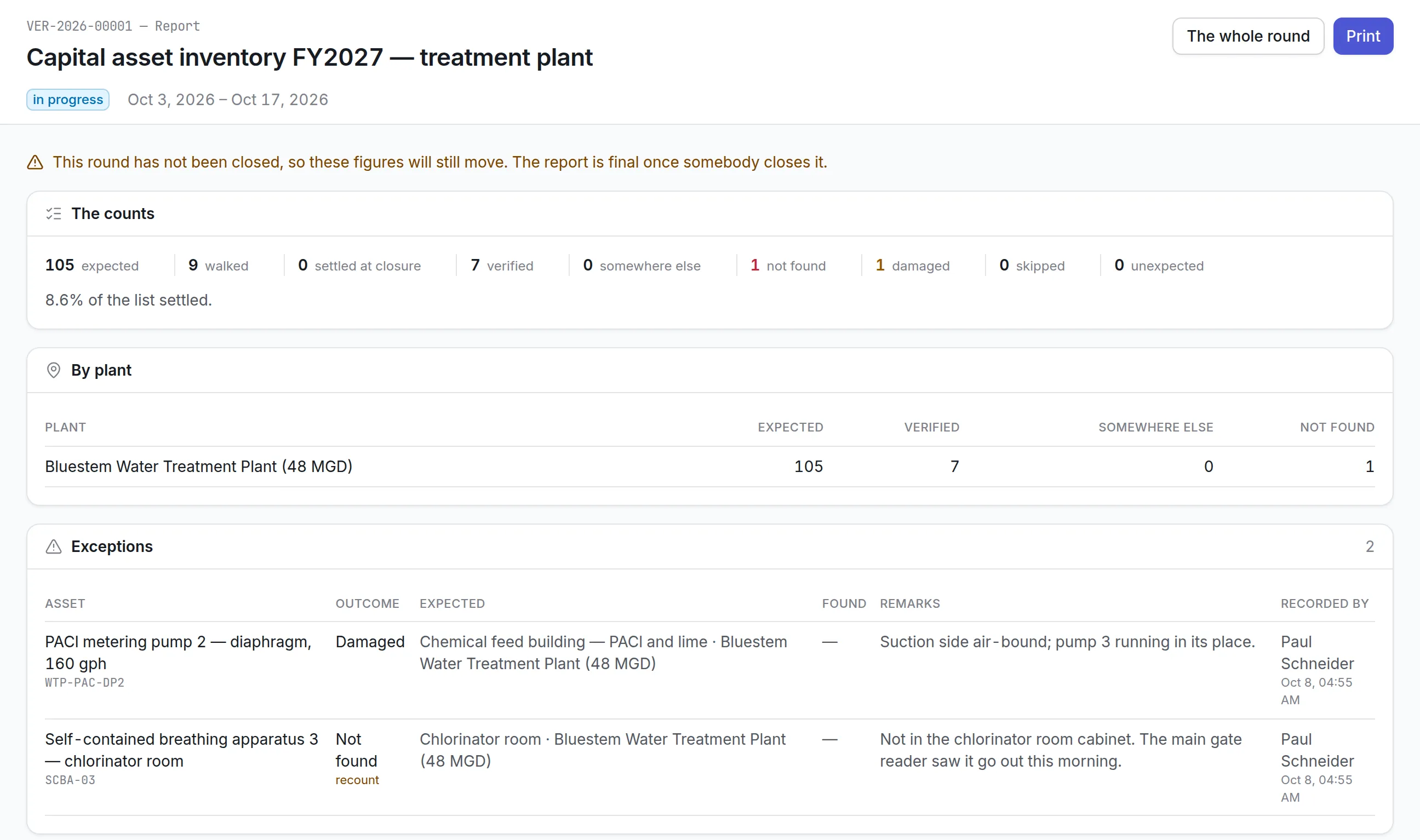
The agency tracked every leased item in Asset Infinity, with QR codes or RFID tags, check-out and return against each event, and maintenance schedules.
Tagged equipment
Every leased item has a unique QR code or RFID tag and its own record, and is identified with a scan. (Assets)
Check-out and return
Equipment is checked out to an event and returned against it with a scan, replacing manual entries. (Assets)
Location and movement
RFID readers and scans record equipment moving in and out, so availability and location stay current. (Connected)
Maintenance schedules
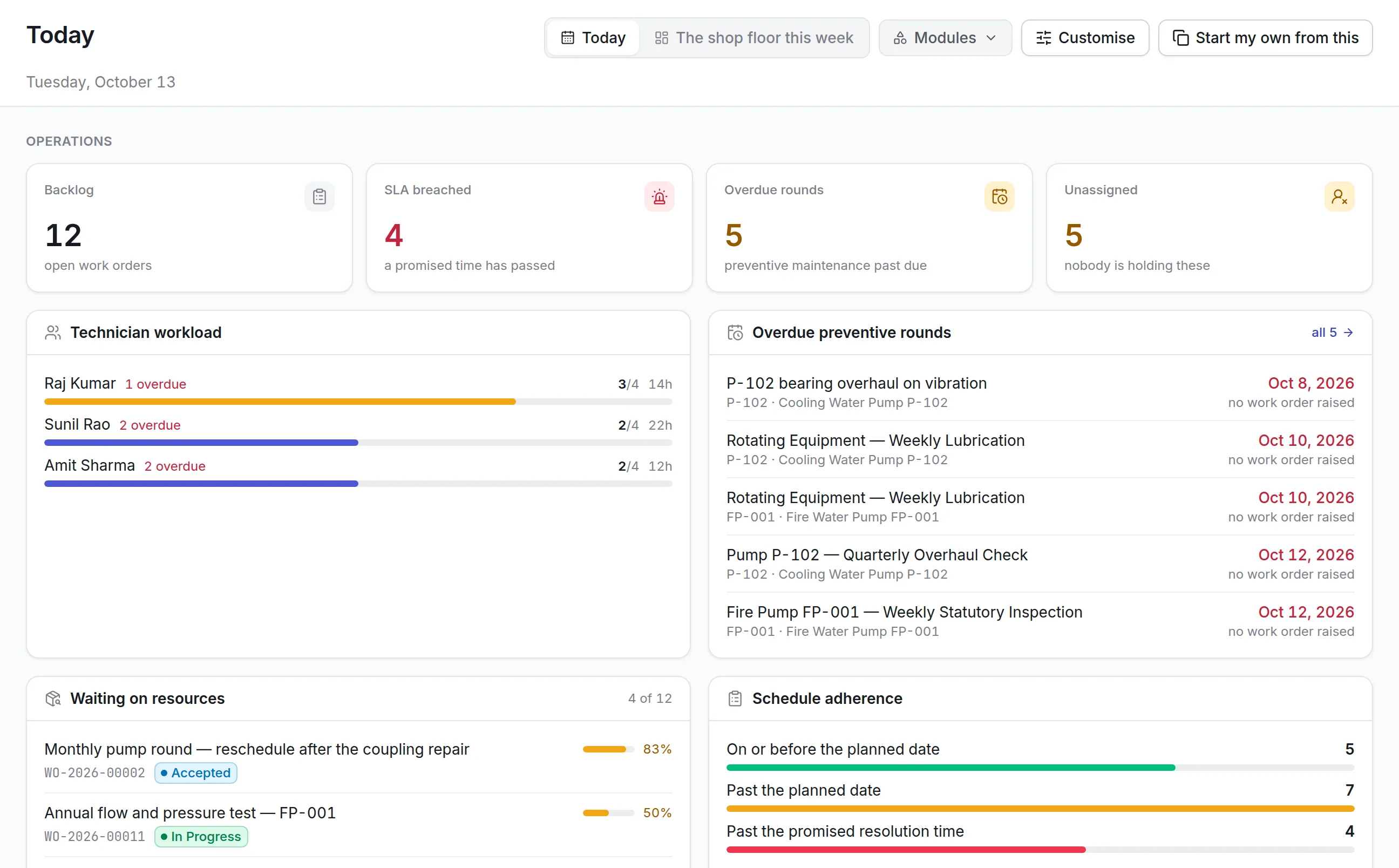
Equipment due for service is scheduled and tracked, so items are ready for the next event. (Maintenance)
How it works day to day
Here is how equipment moves through an event now.
- Event planner: checks availability. The planner sees which items are free, where they are and their condition before committing them to an event.
- Warehouse team: checks out to the event. Each item is scanned out against the event, so the record shows where it is and who has it.
- System: records movement. RFID readers at the warehouse door record tagged items leaving and coming back.
- Event crew: returns equipment. After the event, items are scanned back in. Anything not returned is visible straight away.
- Warehouse team: flags damage. An item that comes back damaged is marked, and a work order is raised for its repair.
- System: schedules maintenance. Preventive plans raise work orders for equipment due for service, so it is ready for the next booking.
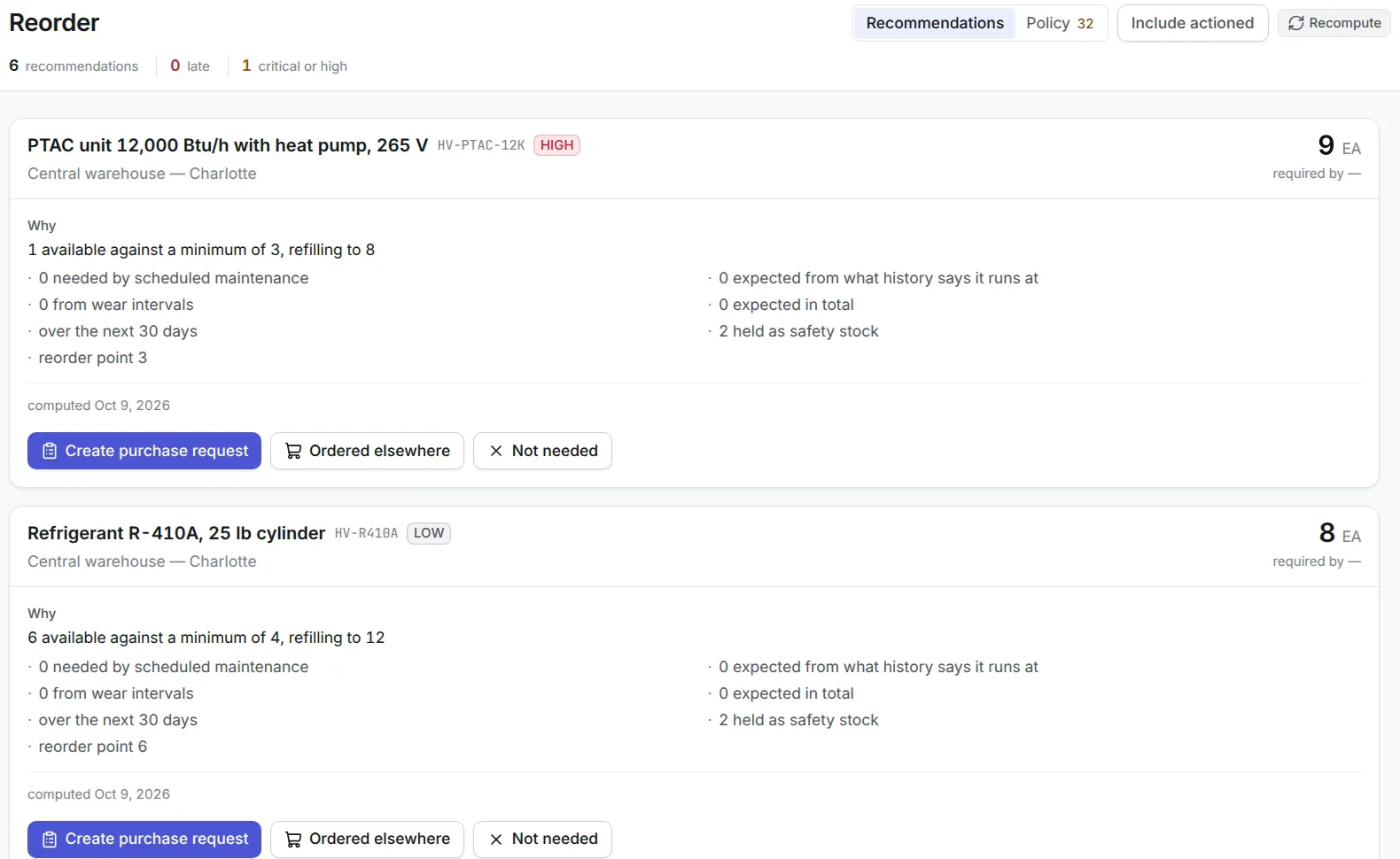
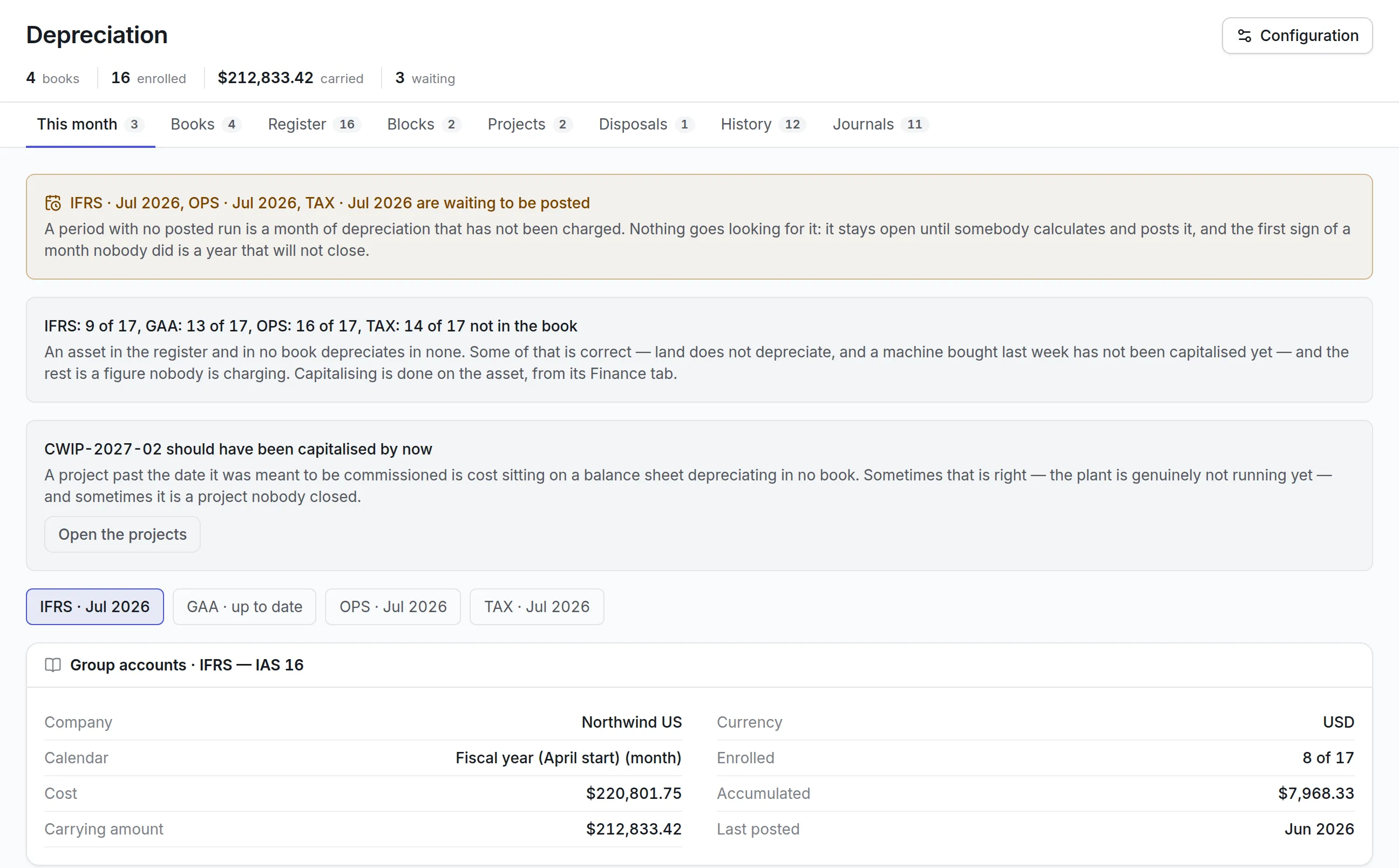
- Operations head: reviews utilization. Reports show how often each item is used and what sits idle, guiding decisions on leased equipment.
Before and after
| Before | With Asset Infinity | |
|---|---|---|
| Check-in and check-out | Manual entries, frequent errors | Scanned against the event |
| Availability | No real-time view | Location and status visible |
| Unavailable equipment | Items not ready for events | 30% fewer cases |
| Allocation | Slow to plan | 25% less time |
| Maintenance | Tracked manually | Scheduled and recorded |
How it rolled out
- Needs assessment. The agency and the Asset Infinity team reviewed leased equipment workflows, challenges and requirements.
- Configuration. The system was configured for real-time tracking, check-in and check-out, and maintenance scheduling.
- Equipment tagged. Each leased item was tagged with a unique QR code or RFID tag for scanning.
The results
- 45% improvement in equipment utilization
- 30% fewer cases of unavailable equipment
- 25% less time to allocate equipment to events
- 20% less administrative work from scanned check-in and check-out
- 15% increase in overall operational efficiency
- Less idle equipment and better return on leased items.
- Staff time freed for event planning.
Why it worked
A scan instead of a form
Check-out and return take a scan, which removed most of the manual data entry and its errors.
Availability you can trust
Planners see real status and location, so they allocate equipment with confidence.
Ready for the next event
Scheduled maintenance and damage reports keep equipment in working order between events.
Looking ahead
By tagging its leased equipment and tracking check-out, return and maintenance in one system, the agency raised equipment utilization by 45%, had 30% fewer cases of unavailable equipment and allocated equipment to events 25% faster.
With less administration, the team spends more of its time planning events and knows that the equipment each event needs will be there.