

The client
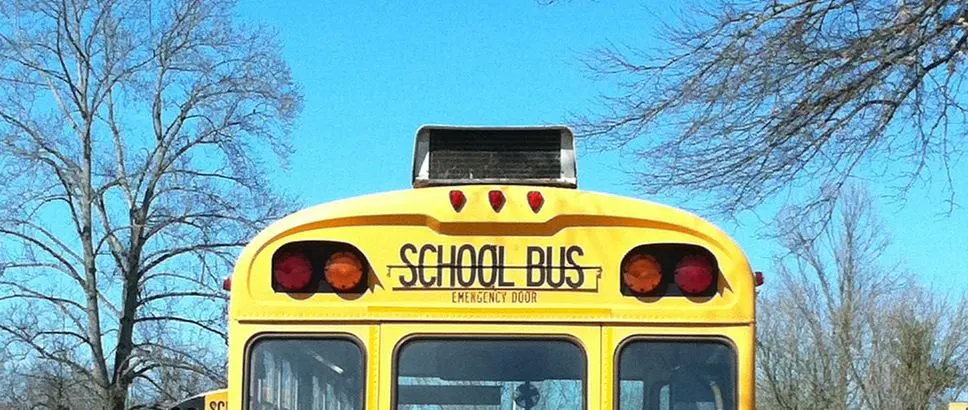
The client is a large school district that runs its own fleet of school buses to carry students to and from school every day.
Parents expect buses to arrive on time and students to travel safely. Without a central system, transport coordinators could not see where buses were or how the fleet was performing.
The challenge
Arrival times were inconsistent, buses deviated from routes, and no one could see where a bus was. That raised safety concerns and left parents dissatisfied.
- Inconsistent arrival times and route deviations.
- No real-time visibility into bus locations.
- No central system for managing the school bus fleet.
- Driver allocation and route planning were hard to improve.
- Concerns about student safety and parent dissatisfaction.
What they set up in Asset Infinity
The district managed its school buses in Asset Infinity, with a GPS tracker in every bus and reports on fleet performance.
GPS in every bus
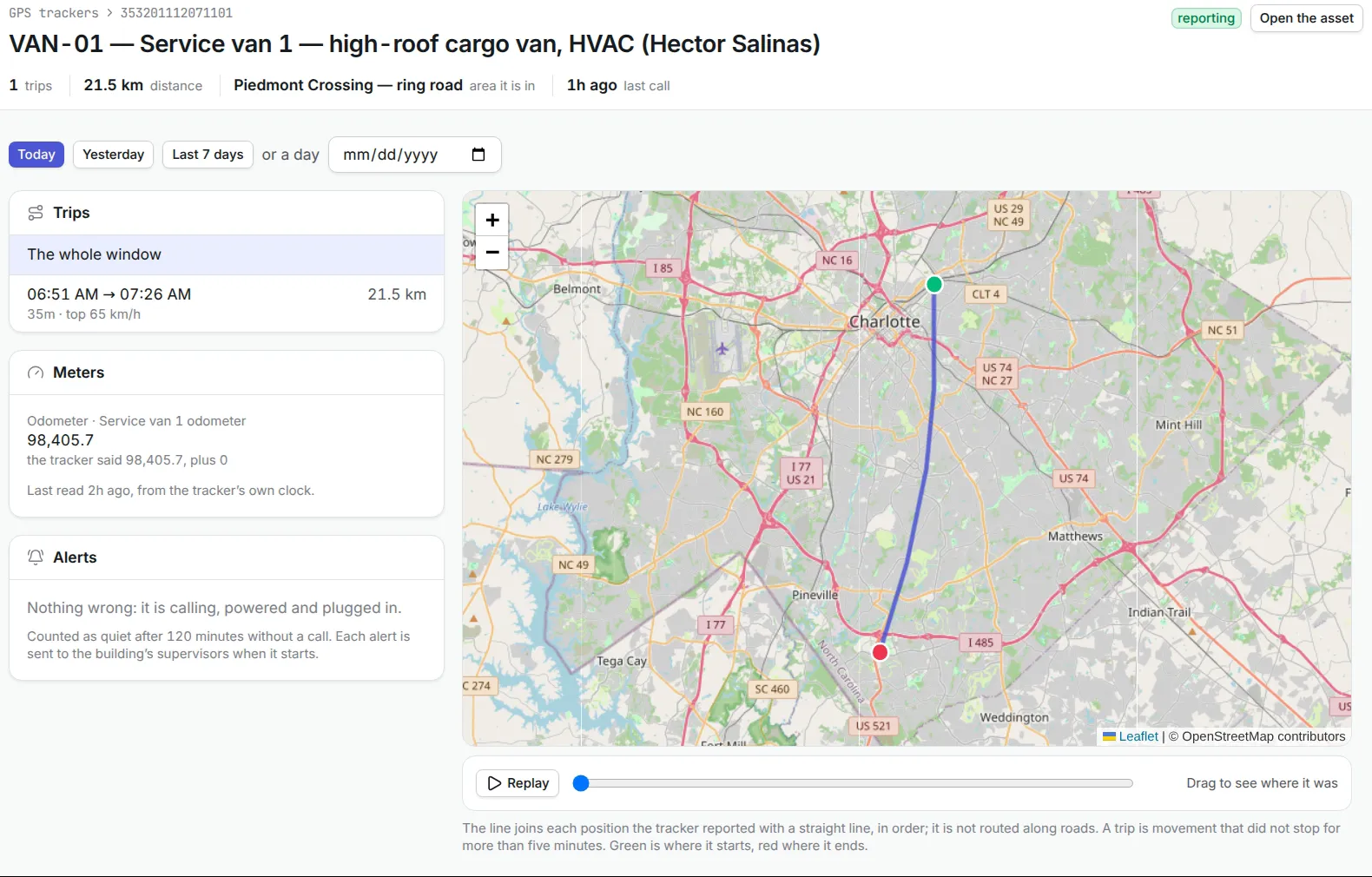
GPS trackers show each bus’s location on a map in real time, so coordinators know where every bus is during the run. (Connected)
One fleet register
Every bus has a record with its documents and history, so the fleet is managed in one place instead of across schools. (Assets)
Service by mileage
Odometer and engine hours from the trackers feed preventive maintenance plans, so buses are serviced on time. (Maintenance)
Performance reports
Reports show on-time performance, bus utilization and overall transport efficiency for the district. (Insight)
How it works day to day
Here is how the school bus fleet now runs each day.
- Transport coordinator: checks the fleet. Before the morning run, the coordinator sees which buses are available and where they are.
- Transport coordinator: allocates drivers. Drivers are matched to buses using live availability and location, instead of a fixed list.
- System: tracks every bus. GPS trackers report each bus’s location during the run, so a delay or deviation is seen as it happens.
- System: records mileage and hours. Odometer and engine hours update each bus’s record and trigger preventive maintenance when due.
- Technician: services the bus. The technician completes the maintenance work order on the mobile app, adding to the bus’s history.
- Transport manager: reviews performance. Reports show on-time performance and bus utilization, pointing to where service can improve.
Before and after
| Before | With Asset Infinity | |
|---|---|---|
| Bus location | Unknown during the run | Live GPS location |
| Arrival times | Inconsistent | 25% fewer late arrivals |
| Fleet management | No central system | One fleet register |
| Driver allocation | Hard to optimize | Based on live availability |
| Performance | Not measured | On-time and utilization reports |
How it rolled out
- Needs assessed. The district and Asset Infinity reviewed fleet workflows and the safety and operational concerns.
- GPS installed. A GPS device was installed in each school bus.
- Coordinators onboarded. Transport coordinators began allocating drivers using live bus location and availability.
The results
- 30% improvement in student safety on bus commutes
- 25% fewer late arrivals
- 20% fewer operational inefficiencies
- 15% increase in parent satisfaction
- 10% reduction in fuel consumption
- Driver allocation based on live bus availability and location.
Why it worked
Everyone sees the same bus
Coordinators and managers work from the same live location, so decisions are made on facts.
Safety starts with visibility
Knowing where every bus is at all times is the base for safer student transport.
Maintenance from real use
Mileage from the trackers keeps buses serviced on schedule, so they are ready for every run.
Looking ahead
With every bus visible in real time and fleet performance on record, the district improved student safety by 30% and cut late arrivals by 25%.
Coordinators now plan with facts about where buses are and how they perform, and parents are more satisfied with the service their children rely on.