






The client
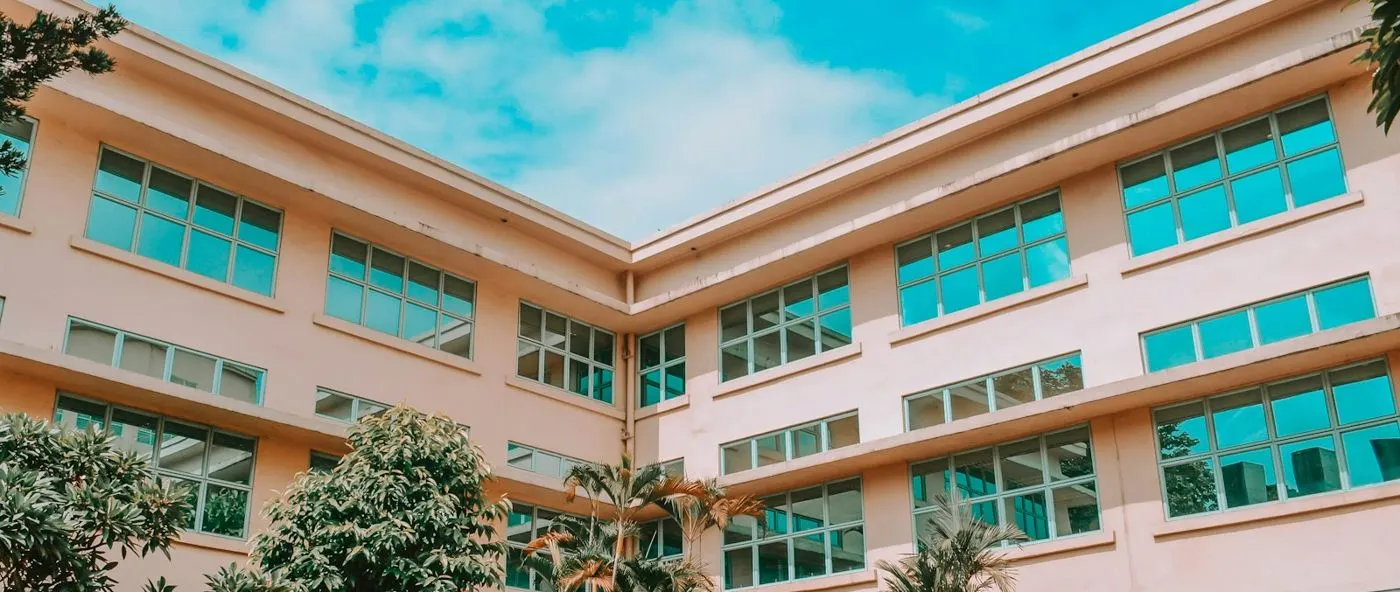
The client is a large educational institution with multiple campuses.
Students and staff depend on classrooms, labs, halls and buildings being in good order. The facilities team handles a steady flow of maintenance issues across every campus.
The challenge
Maintenance requests arrived through a disjointed process. Issues waited too long, resources were used poorly, and nobody could see where a work order stood.
- Requests were handled in a disjointed way across campuses.
- Delays in addressing reported issues.
- Maintenance staff and time were used inefficiently.
- No transparency on the status of work orders.
- The quality of facilities for students and staff suffered.
What they set up in Asset Infinity
The institution moved every maintenance request into Asset Infinity, with automatic routing and work orders that technicians manage from their phones.
Requests from staff and students
Staff and students raise requests from the web or mobile app, or by scanning a QR label, and can follow each one’s status. (Work)
Routing by issue and location
Requests are categorized and routed to the right maintenance team based on the type of issue and the campus. (Work)
Assignment by skill
Approved requests become work orders, assigned to technicians with the right skills, who receive and update them on the mobile app. (Work)
Trends and response times
Reports show maintenance trends, response times and team performance across campuses. (Insight)
How it works day to day
Here is what happens now when something needs fixing on campus.
- Student or staff member: reports the issue. From the web or mobile app, or by scanning a QR label, they raise a request with a description and photo.
- System: routes the request. The request is categorized by issue type and campus and sent to the right maintenance team.
- Maintenance supervisor: approves and assigns. The approved request becomes a work order, assigned to a technician with the right skills and current capacity.
- Technician: does the job on the go. The technician gets the work order on a phone or tablet, updates its status from site and closes it when done.
- System: keeps everyone informed. Status updates are visible to the requester and the team, and reminders go out when a request waits too long.
- Facilities manager: reviews performance. Reports show maintenance trends, response times and team workload across all campuses.
Before and after
| Before | With Asset Infinity | |
|---|---|---|
| Raising requests | Disjointed process | Web, mobile or QR label, for staff and students |
| Routing | Manual, slow | Automatic by issue type and location |
| Assignment | Inefficient use of staff | By skill and workload |
| Status | No transparency | Visible to requester and team |
| Response time | Delays | 30% faster |
How it rolled out
- Request form fitted to campus life. The request form was set up so staff and students can report issues easily.
- Routing rules defined. Issue types and campuses were mapped to the maintenance teams that handle them.
- Mobile access for technicians. Maintenance staff began receiving and updating work orders on smartphones and tablets.
The results
- 30% faster response to maintenance requests
- Real-time status on requests and work orders improved transparency.
- Higher satisfaction among staff and students.
- Better scheduling reduced wasted time and effort.
- Lower operational costs from more efficient use of resources.
Why it worked
Anyone can report
Staff and students raise requests themselves, so issues are reported early and in a consistent form.
The right team, first time
Routing by issue type and campus means requests do not sit waiting for someone to pass them on.
Work done from the phone
Technicians update work orders where they are, so status is current for everyone.
Looking ahead
With one request process for all campuses, automatic routing and work orders tracked to close, the institution responds to maintenance requests 30% faster.
The institution plans to extend its use of Asset Infinity to energy management, building on the facility records it now keeps for every campus.