

The client
The client is a large retail organization with stores and warehouses across India.
Stock sits in stores, warehouses and regional stock points, and moves between them all the time. Central teams need to know what is where before they buy more or move stock.
The challenge
Each location kept its own stock records. Central teams relied on manual updates, separate spreadsheets and repeated phone calls and messages to find out what was available.
- No central view of stock across stores, warehouses and stock points.
- Separate records and late updates caused discrepancies.
- Teams sometimes bought items that were already in stock elsewhere.
- Transfers between locations were slow and hard to follow.
- Stock control was inconsistent from one location to the next.
What they set up in Asset Infinity
The retailer centralized its inventory records in Asset Infinity, with every location mapped and every transfer recorded.
Every location mapped
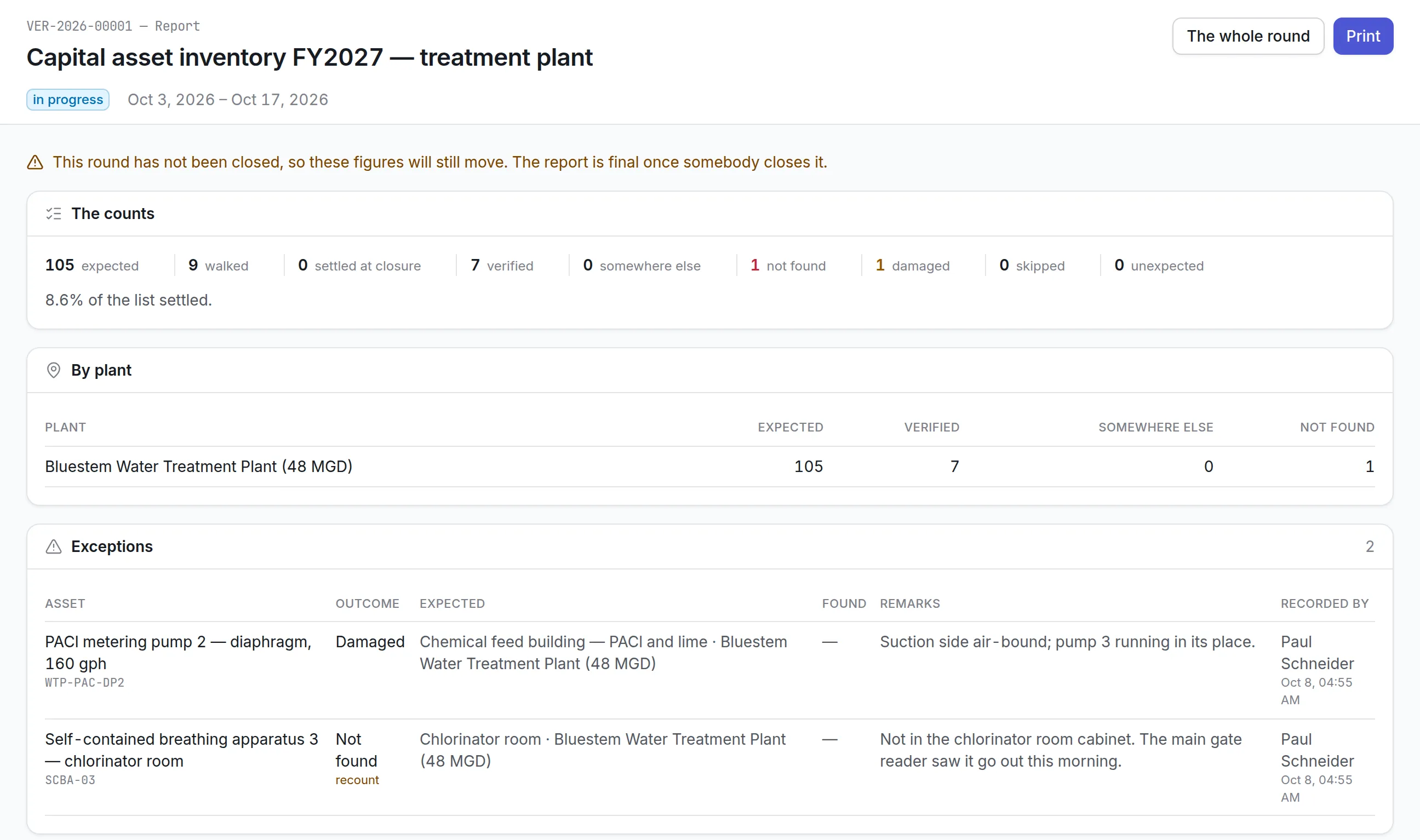
Stores, warehouses and regional stock points are set up as stock locations, so each item’s quantity is held where it actually sits. (Stores)
Tracked transfers
Stock moved between locations is recorded as a transfer out of one and into the other, so nothing is lost in transit on paper. (Stores)
Every movement recorded
Receipts, issues and transfers update quantities as they happen, so location records no longer drift apart and cause mismatches. (Stores)
Central stock visibility
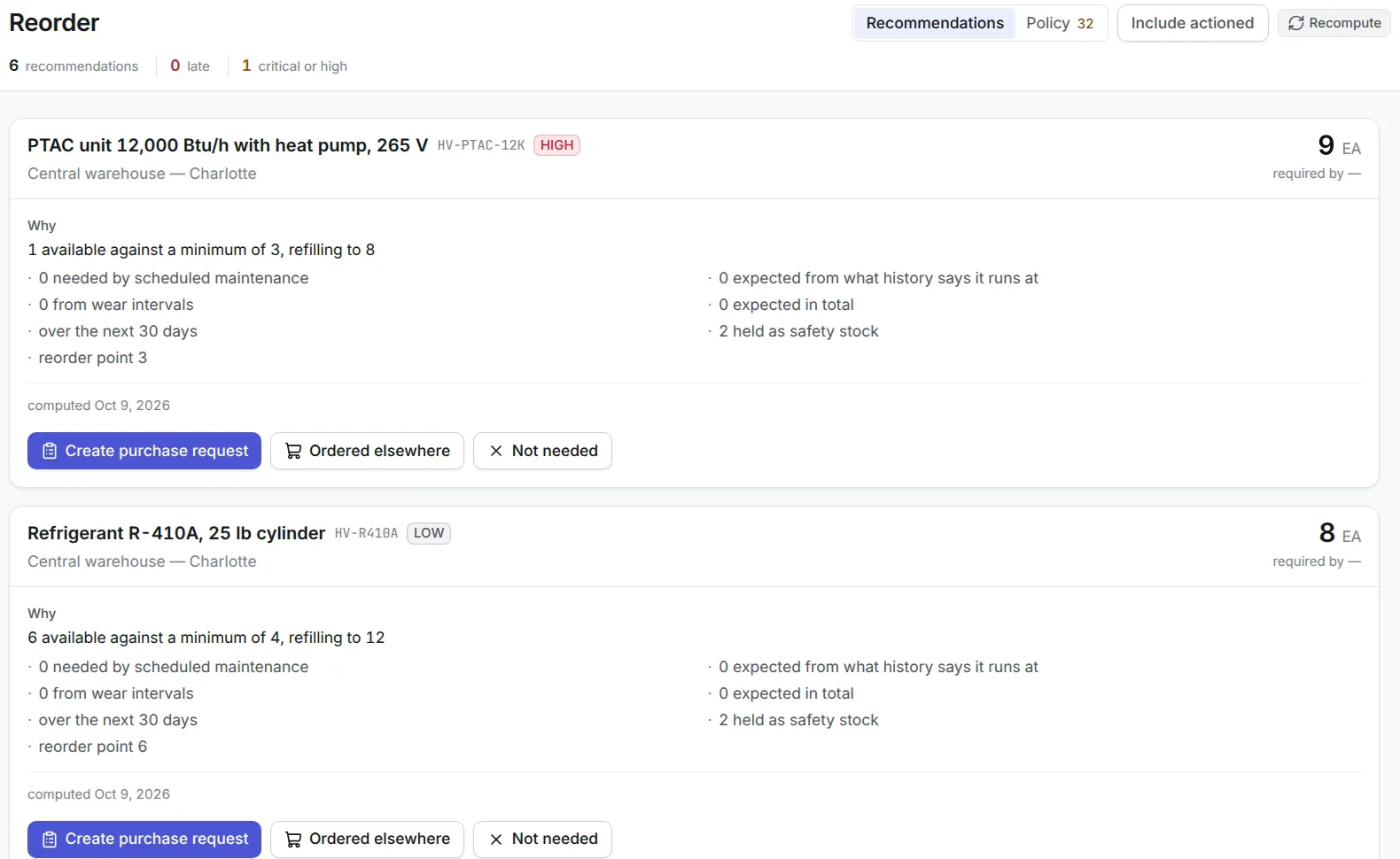
Central teams see quantities and stock movements across every configured location before they order or move stock. (Insight)
How it works day to day
Here is how stock is managed across locations now.
- Warehouse staff: receive stock. Incoming stock is received into the warehouse location, so central teams see it the moment it arrives.
- Store staff: check before asking. When a store needs an item, staff check quantities at nearby stores and warehouses before raising a new requirement.
- Warehouse staff: transfer stock. Stock sent to a store is recorded as a transfer out of the warehouse and into the store, with both sides tracked.
- Store staff: confirm receipt. The store records what arrived, so the transfer is closed and both locations show the right quantities.
- Store staff: issue stock. Stock issued at the store is recorded as it goes out, so the store’s quantity stays current for everyone looking at it.
- Central inventory team: watch the whole network. Reports show quantities and movements by location, so the team can rebalance stock and spot problems early.
Before and after
| Before | With Asset Infinity | |
|---|---|---|
| Stock records | Separate per location | One inventory across all locations |
| Finding available stock | Manual updates and repeated calls | Central visibility by location |
| Purchasing | Unnecessary purchases | Available stock checked first |
| Transfers | Delays and unclear tracking | Recorded out of one location and into another |
| Discrepancies | Common, from late updates | Fewer, with records kept current |
How it rolled out
- Records consolidated. Inventory records from stores, warehouses and regional stock points were brought into one system.
- Transfers structured. Transfers between locations were set up with clear tracking and control.
- Teams trained, setup refined. Store and warehouse teams were trained, and location structures and workflows refined after go-live.
The results
- Stock visibility across stores, warehouses and regional locations
- Fewer mismatches caused by separate records and late updates
- Less over-ordering, as teams check available stock first
- Simpler movement of stock between locations
- Stronger central oversight of multi-location inventory
Why it worked
Locations set up as they are
Stores, warehouses and stock points were mapped one for one, so the system matched the real network.
Both ends of every transfer
Recording stock leaving and arriving closed the gap where items used to go missing.
Refined after go-live
Location structures and workflows were adjusted as teams used them, keeping the setup practical.
Looking ahead
The retailer moved from separate location records to one view of its stock. Teams can see what is available, move it between locations and keep records that agree with the shelves.
With fewer discrepancies and clearer transfers, central teams now control inventory across a distributed network instead of piecing it together.