






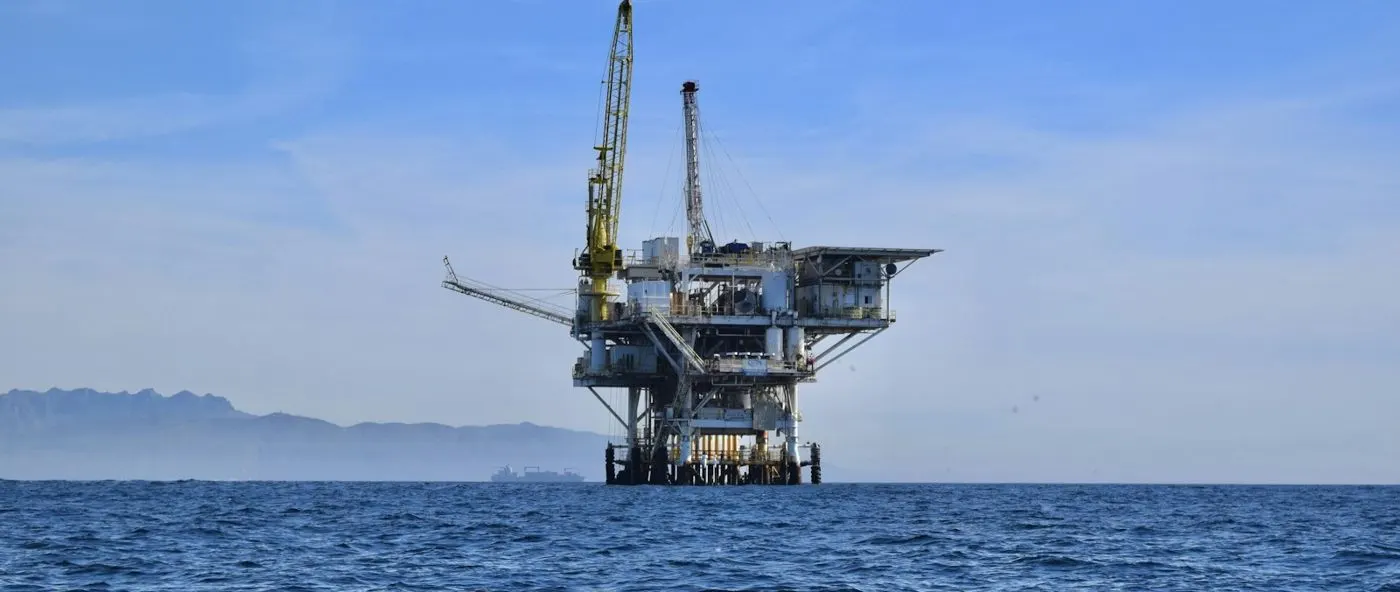
The client
The client is a large oil and gas company operating an offshore oil rig.
Regular, thorough inspections keep the rig safe and running. They had been done on paper, which made them slow, error-prone and hard to analyze, and limited connectivity on the rig made collecting and reporting data harder still.
The challenge
Paper inspections took too long and produced data that was hard to trust or analyze. Findings reached onshore teams late, so critical issues waited.
- Paper inspections were time-consuming.
- Manual records led to errors and discrepancies.
- Inspection data could not be analyzed in real time.
- Findings took too long to reach off-site teams.
What they set up in Asset Infinity
The company moved its rig inspections into Asset Infinity, with inspectors using the mobile app and managers watching findings on a dashboard.
Inspection checklists
Inspections follow scored checklists with required fields, readings and signatures, so every inspector records the same things. (Maintenance)
Photos on every finding
Inspectors capture photos and observations against each item, which gives off-site teams a clear picture. (Maintenance)
Failed checks become work
A failed check can raise a corrective work order, so a critical issue goes straight to the people who fix it. (Work)
Findings dashboard
A dashboard shows inspection findings as they are submitted, supporting quick decisions and follow-up. (Insight)
How it works day to day
Here is how an inspection now runs on the rig.
- System: schedules the inspection. Inspection plans by date create the inspection and assign it to an inspector.
- Inspector: works through the checklist. On the mobile app, the inspector completes each item. Required fields, readings and signatures cannot be skipped.
- Inspector: records evidence. Photos and observations are attached to the items they belong to, so the finding is clear to anyone reading it.
- System: raises corrective work. A failed check raises a corrective work order for the maintenance team.
- Off-site team: reviews findings. The dashboard shows submitted findings and photos, so off-site engineers can advise and decide quickly.
- Maintenance team: fixes and closes. The team completes the corrective work and closes it, adding to the asset’s history.
Before and after
| Before | With Asset Infinity | |
|---|---|---|
| Inspection method | Paper forms | Mobile checklists |
| Time per inspection | Slow | 40% less time |
| Data accuracy | Errors and discrepancies | Required fields, 30% more accurate |
| Evidence | Written notes | Photos on each finding |
| Critical issues | Reported late | Corrective work raised, 25% faster resolution |
| Analysis | Not possible in real time | Live findings dashboard |
How it rolled out
- Needs assessed. The client and the Asset Infinity team mapped inspection workflows and rig requirements.
- Checklists configured. Inspection checklists, photo capture and reporting were set up to match the client’s processes.
- Inspectors equipped. Inspectors received the mobile app on their devices and began inspecting with it.
The results
- 40% less time per inspection
- 30% better data accuracy than paper
- 25% faster resolution of critical issues
- 20% increase in overall operational efficiency
- More inspections completed in the same timeframe.
- Better communication between on-site inspectors and off-site teams.
- Less administrative work after each inspection.
Why it worked
Same checks every time
Checklists with required fields make inspections consistent, whoever does them.
Pictures travel well
Photos on each finding let off-site teams understand an issue without going offshore.
Findings lead to action
A failed check becomes a work order, so nothing found in an inspection is left waiting.
Looking ahead
By replacing paper with mobile checklists, the company cut inspection time by 40% and improved data accuracy by 30% on its offshore rig.
Findings with photos now reach off-site teams quickly, and critical issues are addressed 25% faster, which matters most where safety is at stake.