






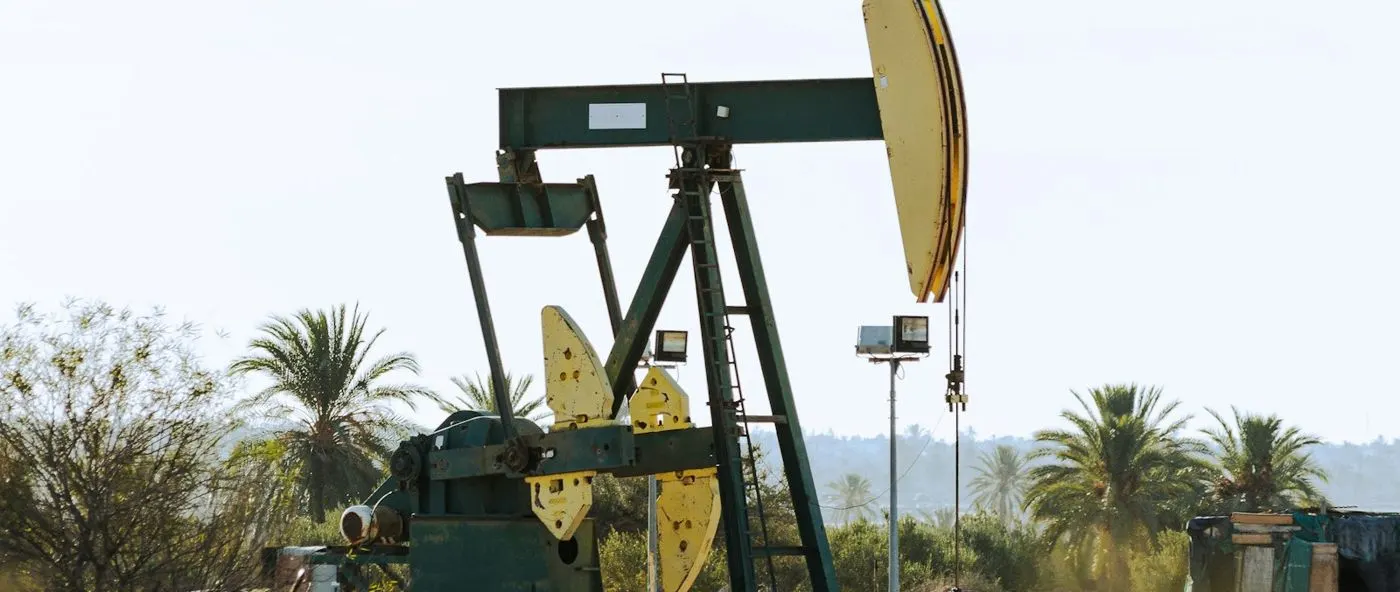
The client
The client is an oil and gas company operating more than 50 drilling sites across North America.
Its asset records lived mostly in spreadsheets, with some legacy ERP systems alongside. That outdated setup made operations inefficient and kept equipment down for longer than it needed to be.
The challenge
With more than 50 sites and records in spreadsheets, the company could not see its assets or maintenance in one place. Downtime was high, and proving compliance with industry standards took effort.
- Asset records were spreadsheet-based, with legacy ERP systems on the side.
- Assets were mismanaged across many drilling locations.
- Maintenance issues were logged and followed up by hand, slowing response.
- Compliance with regulations and service levels was hard to track and prove.
What they set up in Asset Infinity
The company chose Asset Infinity for its flexibility and its API, and ran its assets, maintenance and service levels in it.
One register across sites
Every asset at every drilling site is in one register with its location, documents and history, so the company knows what it has and where. (Assets)
Maintenance issues tracked to close
Issues are logged as requests, turned into work orders, assigned to technicians and closed with a record, so nothing is followed up by hand. (Work)
Service levels on every job
SLA timers run on each work order and escalate when a job waits too long, giving managers a record of compliance. (Work)
Connected to the ERP
The company connected Asset Infinity to its ERP systems through the REST API, so asset data flows between them without re-keying. (Platform)
How it works day to day
Here is how maintenance now runs across the drilling sites.
- Site crew: report the issue. A crew member raises a request from the mobile app or by scanning the asset’s label, so the request is tied to that piece of equipment.
- Maintenance supervisor: creates and assigns the work order. The supervisor turns the request into a work order and assigns a technician, who is notified on the mobile app.
- System: watches the service level. An SLA timer runs on the job. If it waits too long, a reminder and escalation go out, and the timer pauses while waiting on a supplier.
- Technician: fixes and closes the job. The technician records the work, parts and notes from site and closes the work order, which adds to the asset’s history.
- System: shares data with the ERP. Asset and maintenance data passes to the company’s ERP through the API, so finance works from the same figures.
- Operations manager: reviews performance. Dashboards show downtime, open work and SLA compliance by site, which feed budgeting and capital planning.
Before and after
| Before | With Asset Infinity | |
|---|---|---|
| Asset records | Spreadsheets and legacy systems | One register for 50+ sites |
| Maintenance issues | Logged and chased by hand | Work orders from request to close |
| Compliance and SLAs | Hard to track and prove | SLA timers and records on every job |
| ERP data | Separate from asset records | Connected through the API |
| Capital planning | Unexpected capital expenditures | Lifecycle records support forecasting |
How it rolled out
- Data moved off spreadsheets. Asset records from spreadsheets and legacy systems were brought into one register.
- ERP connected. The client set up API connections with its existing ERP systems for real-time data flow.
- Training and feedback. Training sessions, quick-reference guides and regular feedback loops helped staff used to the old systems.
The results
- 40% reduction in asset downtime
- 20% lower maintenance costs
- 25% increase in maintenance efficiency
- Fewer compliance-related fines through closer adherence to regulations.
- Asset lifecycle records improved forecasting and budgeting, reducing unexpected capital spending.
- Employees reported high satisfaction, citing ease of use in daily work.
- Management uses the reports to make better-informed decisions.
Why it worked
Fits existing systems
The API let the company keep its ERP and connect it, instead of replacing systems that finance relied on.
Every job on the record
Because every issue becomes a tracked work order, response time and compliance can be measured, not guessed.
Adoption was supported
Training, quick-reference guides and feedback loops helped staff used to old systems move over and stay.
Looking ahead
By moving assets and maintenance off spreadsheets and into one system connected to its ERP, the company cut downtime by 40% and maintenance costs by 20% across more than 50 drilling sites.
The client plans to deploy Asset Infinity in newly acquired operations, so each new site starts with the same register, maintenance process and reporting.