






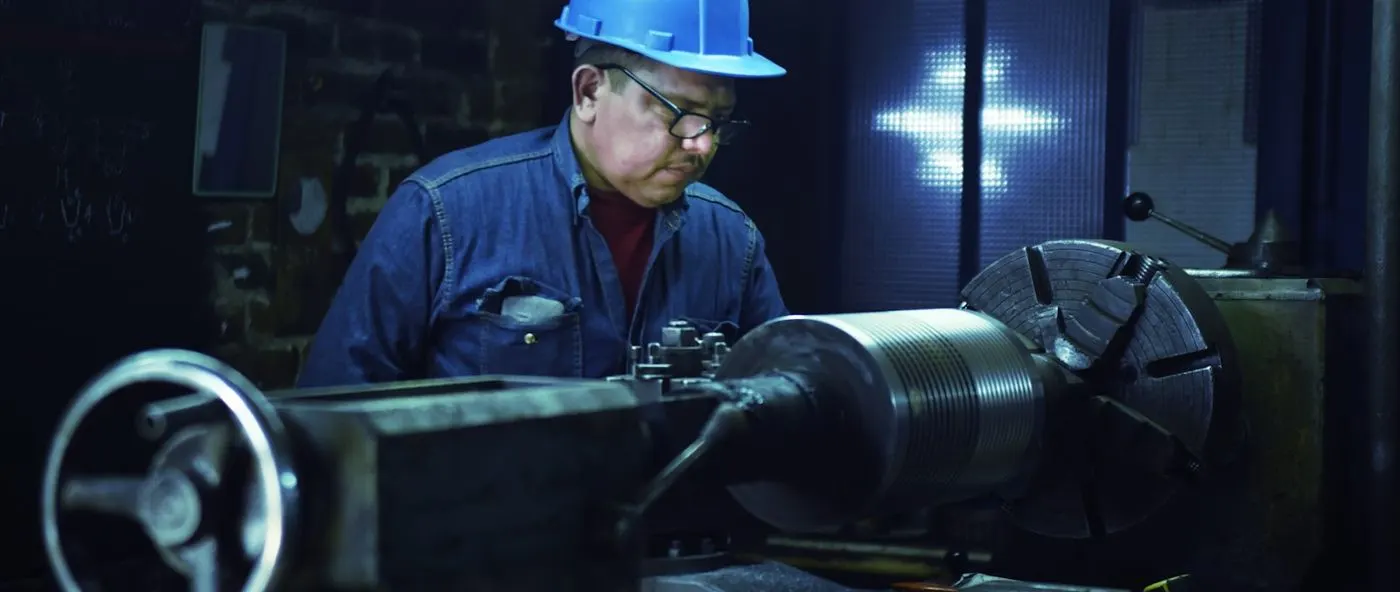
The client
The client is a large manufacturing firm with multiple production plants and maintenance teams across India.
Production machinery, plant equipment and supporting systems all need regular servicing and fast repairs. A missed service or a slow repair means lost production.
The challenge
Maintenance teams carried out preventive and corrective work, but scheduling, pending activities, technician work and service records were handled through fragmented processes.
- No central view of due and pending maintenance across plants.
- Risk of delayed servicing and avoidable downtime.
- Work carried out inconsistently from team to team.
- Little insight into maintenance performance or technician activity.
What they set up in Asset Infinity
The manufacturer centralized preventive maintenance, work execution, technician tracking and reporting in Asset Infinity across its plants.
Machinery in one register
Production machinery and plant equipment that need maintenance are recorded by plant, each with its own service history. (Assets)
Preventive plans
Preventive plans by date, meter or runtime raise work orders for production assets when servicing falls due. (Maintenance)
Assignments and due dates
Every job has an assigned technician, a due date and an SLA, and technicians update their work from the mobile app. (Work)
Maintenance reporting
Dashboards and reports show due, pending and completed work, SLA performance and each technician’s activity. (Insight)
How it works day to day
Here is how maintenance runs in the plants now.
- System: raises preventive work. When a preventive plan falls due by date, meter or runtime, a work order is created for the machine with its checklist.
- Operator: reports a breakdown. When a machine fails, the operator raises a request from the mobile app or by scanning its QR label.
- Maintenance planner: assigns the work. The planner assigns preventive and corrective work orders to technicians by skill and availability, with due dates.
- Technician: does the job. The technician completes the checklist on the mobile app, records readings and notes, and closes the work order.
- System: watches the SLA. SLA timers run on each job, and reminders go out when work sits too long.
- Plant maintenance head: reviews performance. Dashboards show due, pending and completed work, SLA performance and technician activity across plants.
Before and after
| Before | With Asset Infinity | |
|---|---|---|
| Scheduling | Fragmented processes | Preventive plans in one system |
| Pending work | No central view | Due and pending work visible |
| Execution | Inconsistent across teams | Assigned work orders with due dates |
| Technician activity | Hard to track | Tracked per technician |
| Reporting | Limited performance insight | Completion and SLA reports |
How it rolled out
- Equipment and practices reviewed. Equipment, maintenance practices, schedules and execution gaps were reviewed at each plant.
- Assets and plans configured. Machinery was structured in the system, and preventive plans and work assignments set up.
- Teams trained, schedules refined. Maintenance teams were trained, and schedules refined as performance was reviewed.
The results
- Timely preventive maintenance across production equipment and systems
- Better planning and visibility of due and pending maintenance
- Better tracking of maintenance execution and technician performance
- Clearer reporting on maintenance activity, completion and SLA performance
- More consistent equipment availability and better coordination across plants
Why it worked
Every machine has a plan
Structuring machinery in the register first meant every preventive plan had an asset and a history.
Work everyone can see
Planners, technicians and plant heads look at the same work orders, so nothing waits unnoticed.
Schedules that improve
Reviewing performance regularly kept schedules matched to what each machine needs.
Looking ahead
The manufacturer moved from fragmented maintenance processes to one system across its plants. Teams plan preventive work, track execution and report on performance from the same records.
Stronger maintenance discipline supports consistent equipment availability, and the history building up for each machine guides how schedules are refined over time.