






The client
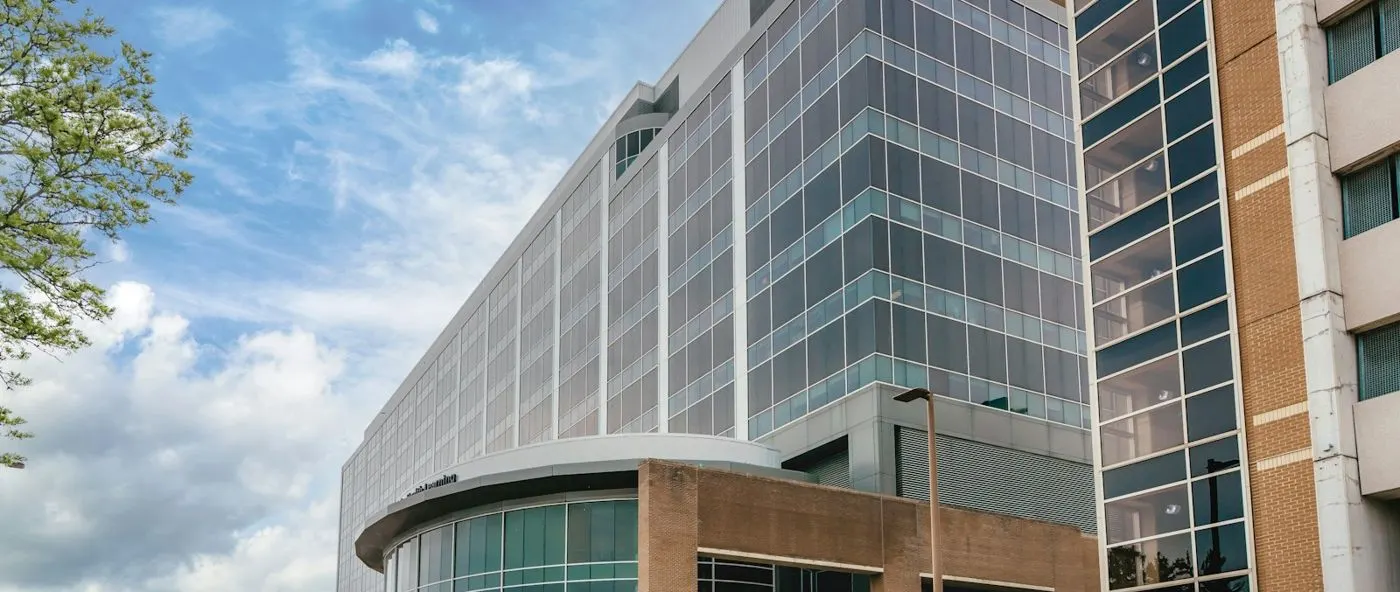
The client is a large multispecialty hospital in Singapore, with several healthcare buildings and operational units.
Its clinical, support and infrastructure areas depend on steady utilities. Facility, engineering and utility teams look after them, and an unusual reading in a critical area needs a quick response.
The challenge
Utility readings were being captured, but someone had to review them by hand and tell the right team when one looked wrong. That delay put critical areas at risk.
- Threshold breaches were found only through manual review of readings.
- Teams relied on internal calls and messages to pass on a problem.
- Late awareness of abnormal usage slowed the response.
- Slow responses risked service disruption in critical hospital areas.
What they set up in Asset Infinity
The hospital set up its utility readings in Asset Infinity with defined limits, so a reading that crosses its limit notifies the responsible team automatically.
Utility readings by area
Utility meters and their readings are configured for each relevant building and operational area, with critical usage points identified. (Energy)
Limits on every critical reading
Service limits are defined for each monitored reading. When a reading crosses its limit, the system raises a work order instead of waiting for someone to notice. (Connected)
The right team is notified
Facility users and teams are mapped to each alert, so the work goes straight to the people responsible for that utility and area. (Work)
Alerts in review
Reports show which readings crossed their limits and how teams responded, so limits and responses can be fine-tuned. (Insight)
How it works day to day
Here is what happens now when a utility reading moves out of range.
- System: records the reading. Readings for each monitored utility come in against the meter for that building or area, building a history of consumption.
- System: checks it against its limit. Each reading is compared with the service limit defined for it. A reading within range simply joins the history.
- System: raises work when a limit is crossed. A reading over its limit raises a work order for the team mapped to that utility and area, and they are notified at once.
- Facility technician: investigates on site. The technician sees the reading and location on the mobile app, checks the cause and records what was found and done.
- Engineering supervisor: tracks the response. Open alerts and their work orders are visible in one place, with reminders if one waits too long.
- Facility manager: reviews and adjusts limits. Reports show how often readings crossed their limits and how quickly teams responded, and limits are refined where needed.
Before and after
| Before | With Asset Infinity | |
|---|---|---|
| Spotting a problem | Manual review of readings | Readings checked against defined limits |
| Telling the team | Internal calls and messages | Automatic notification to the mapped team |
| Response | Delayed awareness, slow action | Earlier action on abnormal readings |
| Oversight | Depended on someone checking | Continuous monitoring of critical consumption |
| Accountability | Unclear who should act | Each alert assigned to a team |
How it rolled out
- Readings and limits defined. The team reviewed critical areas and response delays, configured readings and defined service limits for each.
- Alerts mapped to teams. Automated alerts were set up and assigned to the relevant facility users and teams.
- Teams trained, settings refined. Facility teams learned the alert-based workflow, and limits were refined as alerts came in.
The results
- Relevant teams notified automatically when readings cross their limits
- Earlier response to abnormal utility readings
- Stronger, continuous oversight of critical consumption
- Less manual coordination to pass on threshold breaches
- Timely action that supports reliable utilities
- Better response discipline across facility, engineering and utility teams
Why it worked
Limits set by the experts
Facility and engineering teams defined the limits for each critical area, so alerts reflect real service needs.
Straight to the right people
Each alert is mapped to the team responsible, so nobody has to decide who to call.
Tuned after go-live
Limits and settings were refined as alerts came in, keeping them useful instead of noisy.
Looking ahead
The hospital moved from reviewing critical utility readings by hand to automatic alerts whenever a reading crosses its limit.
Readings now turn into timely work for the team responsible. That has sped up responses, cut manual communication and made utility monitoring more reliable across the hospital’s critical facilities.