


The client
The client is a venture responsible for managing an airport facility in India.
It looks after hundreds of machines and other assets used in day-to-day operations, spread across different locations in the facility. Some, like diesel tractors, are meter-based and need tracking by usage.
The challenge
Assets were tracked in spreadsheets and maintenance schedules were kept by hand. Information was missing, error-prone and slow to update.
- Asset locations were hard to know, which led to misplacement.
- Some assets were unused or underused.
- Scheduled maintenance was missed on its due date.
- Missed maintenance led to sudden breakdowns that hurt daily operations.
- No meter data for usage-based assets such as diesel tractors.
What they set up in Asset Infinity
The operator moved its assets, breakdown work and preventive maintenance into Asset Infinity, with stock for repairs managed in the same system.
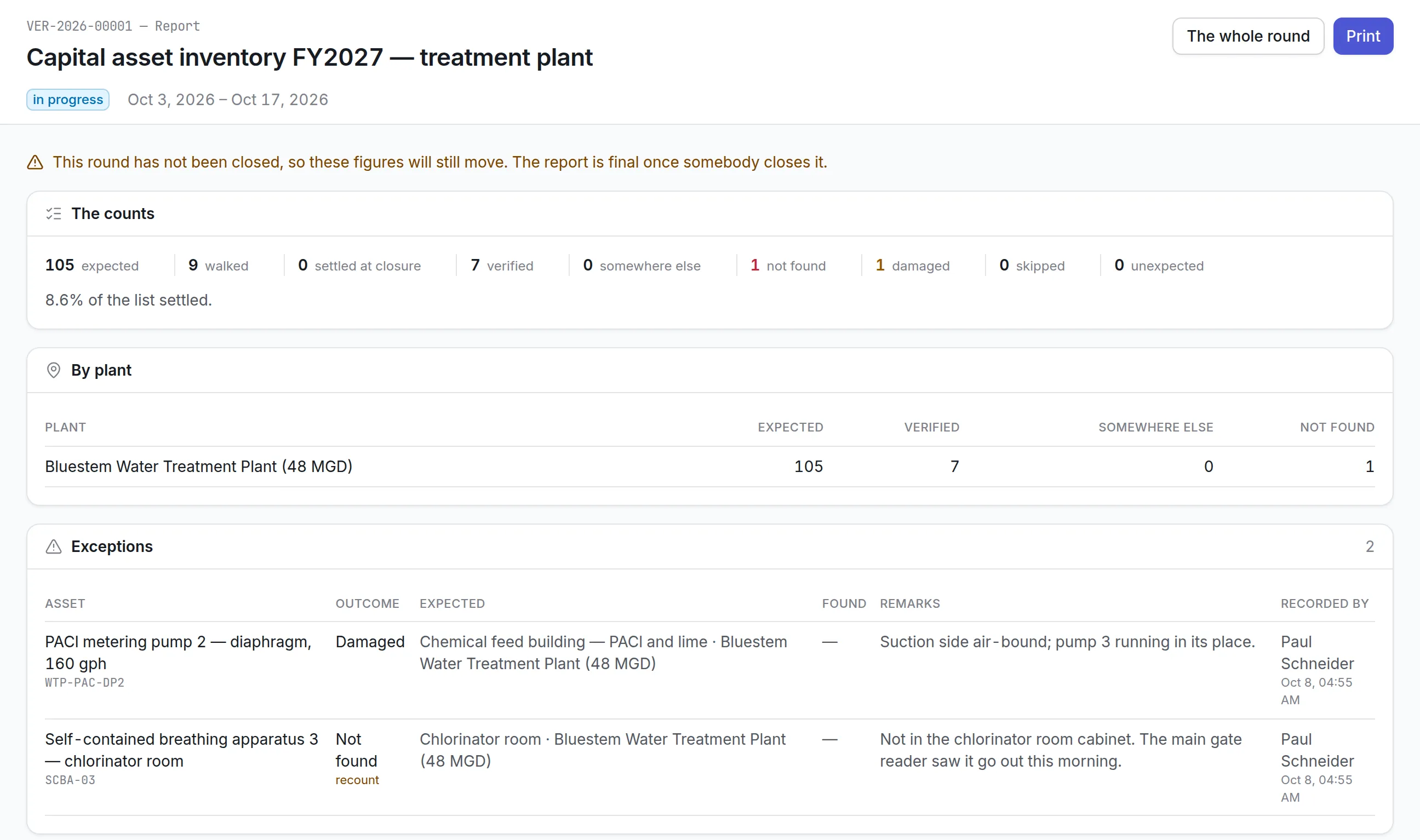
Tagged and tracked assets
Assets carry QR codes, barcodes or RFID tags, so their location and movement are recorded in one register. (Assets)
Breakdown requests
Breakdowns are raised as requests with a category, priority, location and asset attached, and the manager assigns each one to an available technician. (Work)
Preventive plans with checklists
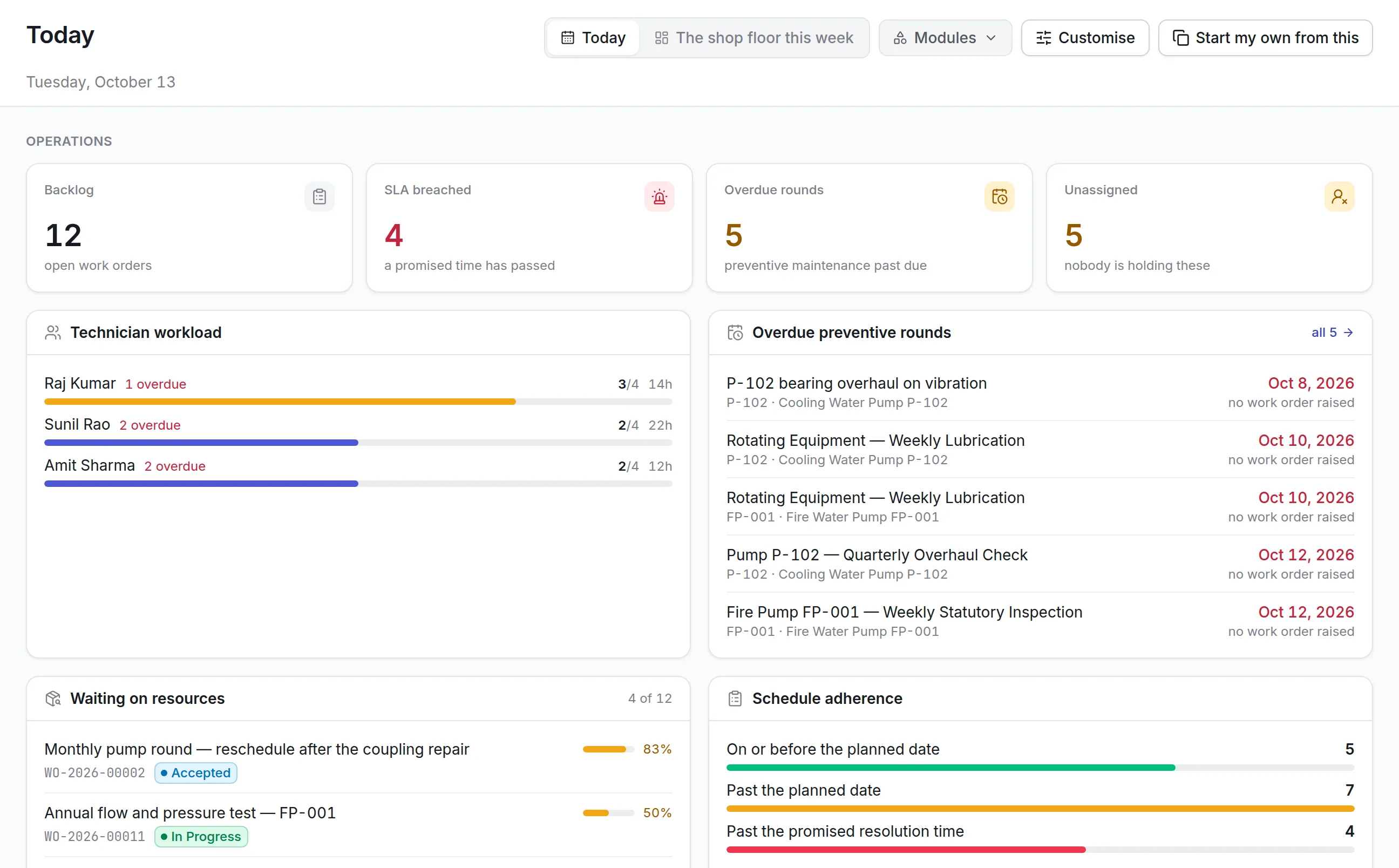
Each asset has its own preventive schedule and checklist, so servicing is raised on time and reports show what was done. (Maintenance)
Meter-based servicing
Meter readings are recorded for usage-based assets, and plans raise work when a reading reaches its limit. (Maintenance)
How it works day to day
Here is how the facility’s assets are looked after now.
- Operations staff: report a breakdown. A failed machine is reported from the mobile app or by scanning its label, which links the request to that asset and its location.
- Maintenance manager: assigns the job. The request arrives with its category and priority, and the manager assigns it to an available technician, who is notified on the app.
- System: raises preventive work. When an asset’s preventive schedule falls due, a work order with its checklist is created, so the due date is not missed.
- Operator: logs meter readings. Readings for meter-based assets such as diesel tractors are entered in the app. A reading that reaches the plan’s limit raises service work.
- Technician: completes the work. The technician fills in the checklist, draws any spare parts against the work order and closes the job.
- Supervisor: checks asset locations. Tag scans keep each asset’s location current, so staff can find equipment and spot assets that sit unused.
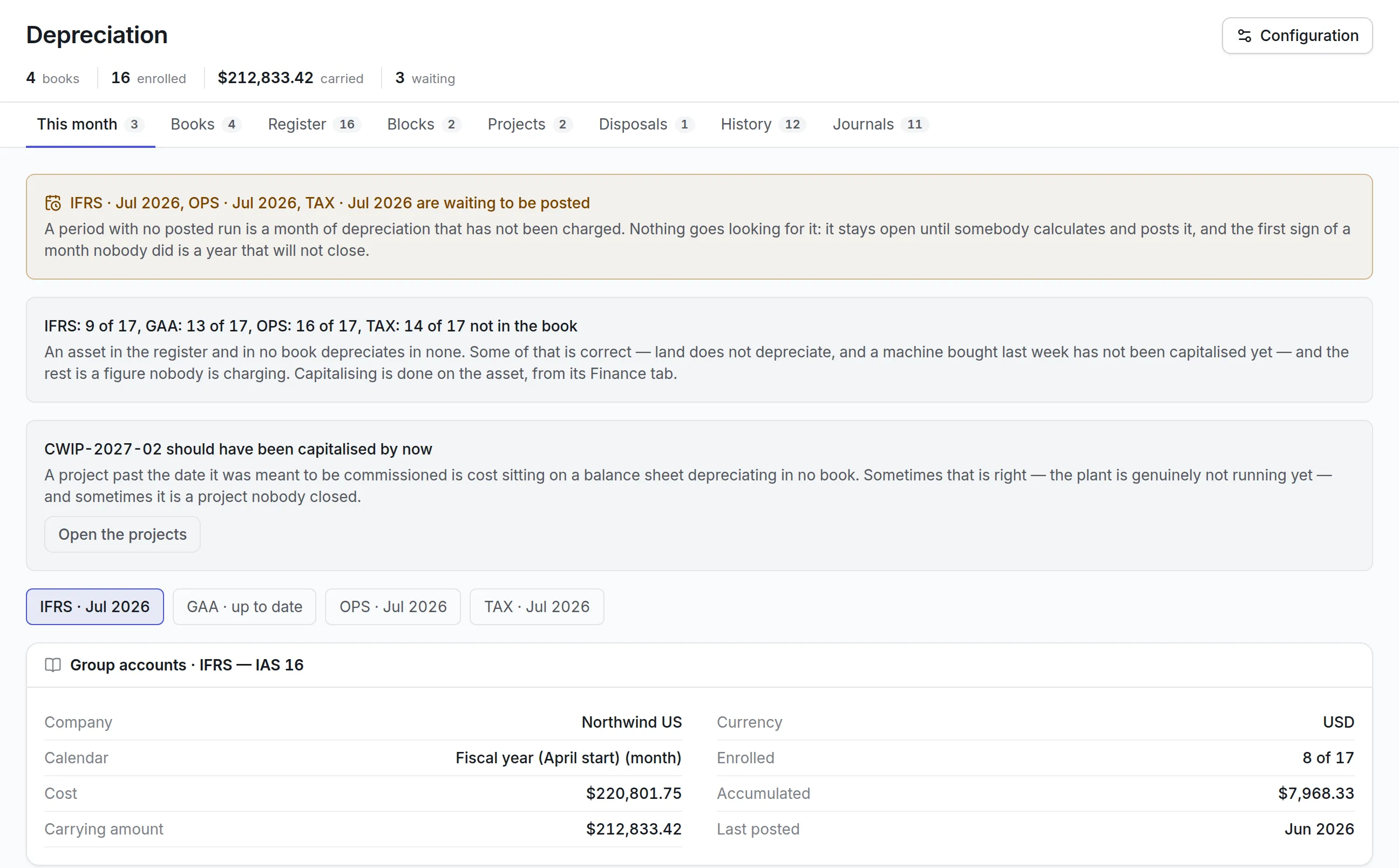
- Management: reviews reports. Automated reports on breakdowns, preventive work and asset use support data-driven decisions.
Before and after
| Before | With Asset Infinity | |
|---|---|---|
| Asset tracking | Spreadsheets, prone to human error | QR, barcode and RFID tags in one register |
| Asset location | Hard to know | Recorded and kept current |
| Breakdowns | Sudden, with no central record | Logged, prioritized and assigned |
| Scheduled maintenance | Kept by hand, missed on due dates | Preventive plans raise work on time |
| Meter-based assets | No usage data | Readings drive servicing |
| Utilization | Assets unused or underused | Visible across the facility |
How it rolled out
- Assets tagged. Hundreds of assets across the facility were labeled and recorded with their locations.
- Requests and plans set up. Request categories, priorities and preventive schedules with checklists were configured for each asset.
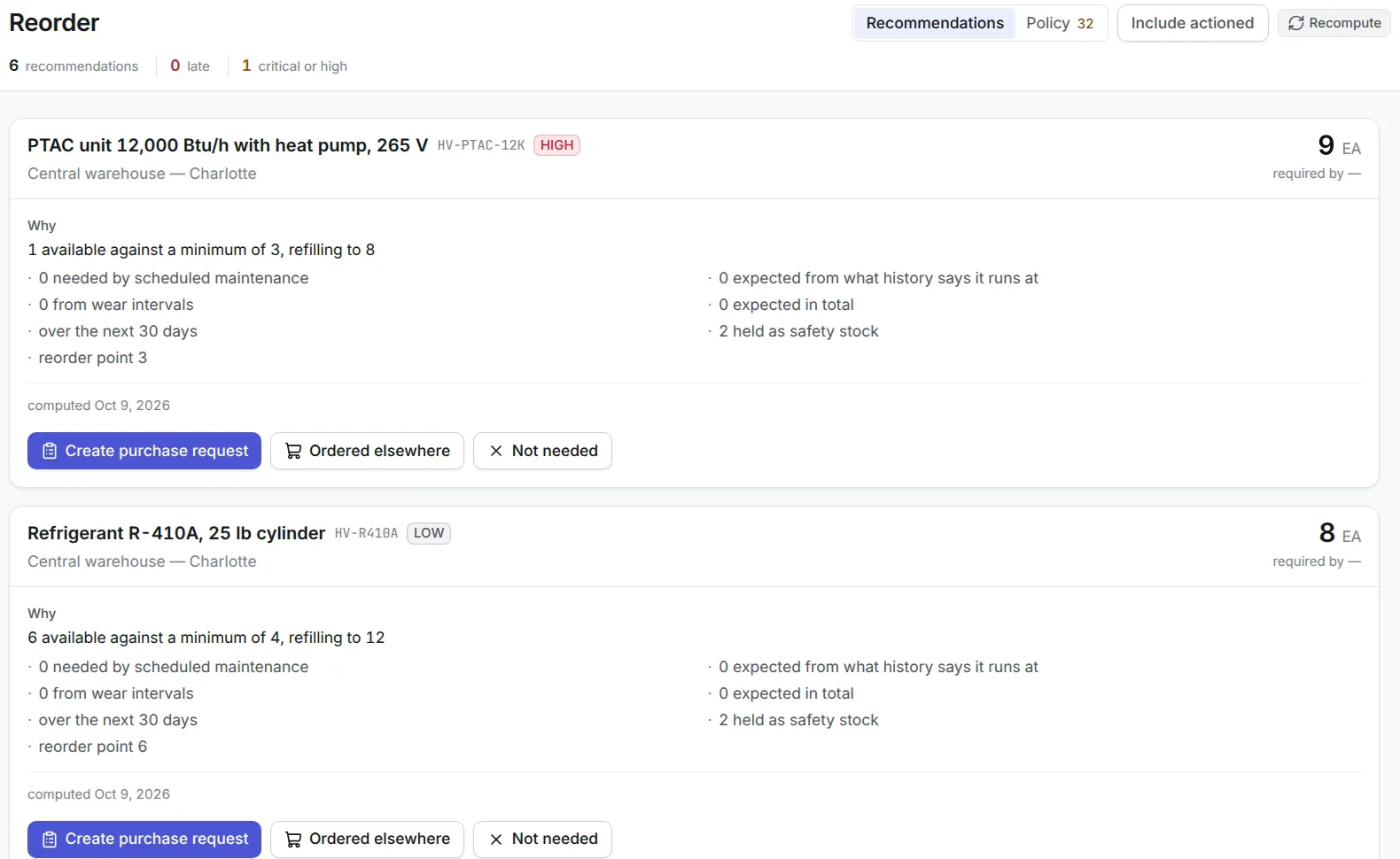
- Meters and stock added. Meter readings for usage-based assets and repair stock were brought into the same system.
The results
- Fewer cases of theft and misplacement as assets are tagged and tracked
- Complete asset information through QR codes, with a facility-wide view
- Clear accountability for each asset and less mismanagement
- Scheduled maintenance no longer missed on its due date
- Data synced across the organization, saving time and effort
Why it worked
Every asset identifiable
Tags on hundreds of assets made each one quick to find and clearly accountable.
Maintenance on schedule
Plans by date and by meter reading raise work automatically, so nothing depends on memory.
One place for all work
Breakdowns, preventive jobs and repair stock share one system, which keeps data together for decisions.
Looking ahead
The airport facility operator now has a complete view of the assets in its care. Breakdowns are logged and assigned in one place, and preventive and meter-based plans keep servicing on schedule.
Synced with the organization’s internal data, the asset records give managers a firmer basis for deciding how assets are assigned and maintained.