






The client
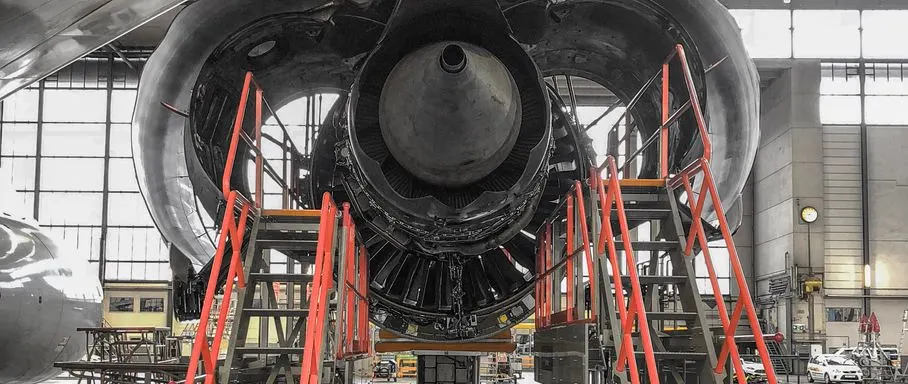
The client is a large aviation operator in the United States, running a diverse fleet of aircraft.
Every aircraft has scheduled maintenance, parts that must be on hand when it is due, and regulatory standards to meet. Safety and operational performance depend on all three being on time and on record.
The challenge
Maintenance was tracked by hand across disconnected systems. That made scheduling hard, kept aircraft out of service longer than needed and raised compliance concerns.
- Maintenance schedules were tracked manually, so work was planned late.
- Aircraft spent longer than necessary out of service for maintenance.
- Missing parts held up maintenance work.
- Preparing for audits meant gathering records from several systems.
- Reports for decision-making were slow to assemble and hard to trust.
What they set up in Asset Infinity
The operator brought maintenance scheduling, parts tracking, compliance records and reporting into Asset Infinity, built on the aircraft’s own maintenance history.
Planned maintenance for each aircraft
Preventive plans by date, flight hours or cycles schedule work ahead, so maintenance is planned around the aircraft’s availability. (Maintenance)
Compliance checks on record
Inspections use checklists with required fields, readings and signatures, so the evidence an auditor asks for is recorded as the work is done. (Maintenance)
Parts ready before the job
Spare parts are tracked across storerooms with reorder points and reorder advice, and issued against the work order that used them. (Stores)
Reports for decisions
Dashboards and custom reports show maintenance status, downtime, parts and costs for each aircraft and the whole fleet. (Insight)
How it works day to day
Here is how maintenance on an aircraft runs now, from plan to audit.
- System: raises the planned work. When an aircraft’s plan comes due by date, hours or cycles, a work order is created with its task list and checklist.
- Maintenance planner: schedules around the flying. The planner sees upcoming work for each aircraft and schedules it, so the aircraft is out of service as briefly as possible.
- Storekeeper: has the parts ready. Reorder advice flags parts running low before they are needed. Parts for the job are issued against the work order.
- Technician: completes the checklist. In the mobile app, the technician records readings, photos and a signature. Required fields cannot be skipped.
- System: turns a failed check into work. A failed inspection item raises a corrective work order, so a fault found during maintenance is tracked to closure.
- Supervisor: signs off the job. The supervisor reviews the completed work and closes the work order. The aircraft’s history updates with every step.
- Quality team: prepares for audit. Inspection records, signatures and maintenance history come out as reports instead of being gathered from separate systems.
Before and after
| Before | With Asset Infinity | |
|---|---|---|
| Scheduling | Manual tracking | Preventive plans by date, hours or cycles |
| Downtime | Longer than necessary | 25% less maintenance downtime |
| Parts | Shortages delayed work | 20% fewer stock shortages |
| Compliance evidence | Gathered from disconnected systems | Recorded checks with signatures |
| Audit preparation | Slow and manual | 30% less time |
| Reporting | Hard to assemble | Dashboards and custom reports |
How it rolled out
- Processes assessed. The operator and the Asset Infinity team reviewed existing maintenance processes and pain points in depth.
- History migrated and systems connected. Historical maintenance data moved from legacy systems, and the flight operations system was connected through the API.
- Maintenance staff trained. Maintenance staff were trained on scheduling, inspections, parts and reports.
The results
- 25% less aircraft downtime due to maintenance
- 30% less time spent preparing for audits
- 12% lower overall maintenance costs
- 20% fewer stock shortages, so maintenance was not delayed by missing parts
- 15% increase in operational efficiency from accurate reporting
- Adherence to regulatory standards backed by recorded checks
- Less unplanned maintenance through proactive planning
Why it worked
History came along
Historical maintenance data was migrated, so plans and reports started from the full record of each aircraft.
Parts and work together
Parts are tracked against the jobs that use them, so planners know what is needed before the aircraft comes in.
Evidence made at the source
Checks are recorded and signed where the work is done, which is what made audit preparation faster.
Looking ahead
By putting maintenance plans, inspections, parts and history in one system, the operator spends less time with aircraft on the ground and less time preparing for audits.
The record built with every job, from parts used to signed checks, gives planners and auditors the same trusted history of each aircraft.