






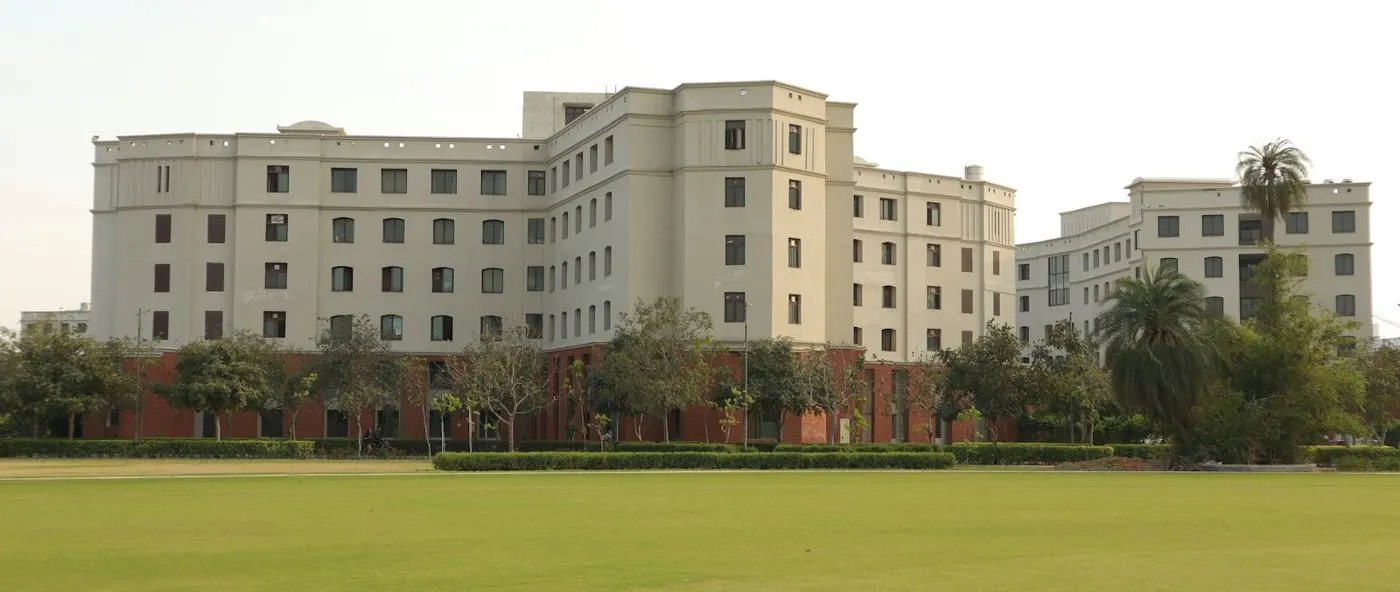
The client
The client is a well-established university in India, part of a fast-growing education sector where campuses add labs, equipment and learning resources every year.
Its computer labs and library hold a large share of its equipment. These assets must be available to students, kept in working order and accounted for under the financial and educational rules the university reports against.
The challenge
The university could not see how its lab and library assets were used or what they cost to keep running. Maintenance was handled as problems came up, and costs kept rising.
- Computer lab equipment and library resources had low utilization rates.
- Annual maintenance costs were high because assets were not tracked or managed well.
- Weak lifecycle management meant assets became obsolete earlier than they should.
- Meeting Indian financial and educational regulatory standards took effort.
What they set up in Asset Infinity
The university recorded its assets in Asset Infinity, scheduled their maintenance, and used the same records to run depreciation and plan purchases and disposals.
One register for labs and library
Every computer, peripheral and library asset is recorded with its location, status and history, so the university can see where each one is and how it is used. (Assets)
Scheduled maintenance
Preventive plans set by date bring each asset up for service on time, replacing ad hoc repairs that drove up the annual maintenance bill. (Maintenance)
Depreciation for education assets
Depreciation methods suited to educational assets run in line with Indian accounting standards, from the same records the campus teams keep. (Finance)
Data for buying and disposal
Reports on use, condition, cost and age show which assets to replace, which to retire and where new purchases are actually needed. (Insight)
How it works day to day
Here is how lab and library assets are now managed across the campus.
- Lab administrator: records each asset. A new computer, projector or library item is added to the register with its location, department and purchase details, and labeled so it can be scanned.
- Lab staff: report a fault. Scanning the asset’s QR label in the mobile app raises a request already linked to that asset, so nobody has to describe which machine is broken.
- System: brings up planned servicing. Preventive plans create work orders when each asset is due, so servicing is done on schedule instead of after a failure.
- Technician: services and closes the job. The technician completes the work order, adds notes, and closes it. The repair joins the asset’s history.
- Finance team: runs depreciation. Depreciation is run from the register using methods suited to educational assets and in line with Indian accounting standards.
- Administration: reviews use and cost. Dashboards and reports show which assets are underused, which cost most to maintain and which are near the end of their life.
- Administration: decides on purchases and disposals. With use, cost and age in front of them, managers move or retire assets and buy new ones only where demand exists.
Before and after
| Before | With Asset Infinity | |
|---|---|---|
| Asset utilization | Lab and library assets underused | Use visible per asset, 40% higher utilization |
| Maintenance | Inefficient, with high annual costs | Scheduled servicing, 35% lower annual costs |
| Lifecycle | Assets became obsolete too early | Lifecycle managed from one record per asset |
| Depreciation | Hard to align with Indian standards | Methods suited to education assets, in line with Indian accounting standards |
| Purchases and disposals | Decided without asset data | Decided from use, cost and age reports |
How it rolled out
- Assets recorded. Computer lab equipment and library resources were entered in one asset register with their locations.
- Maintenance scheduled. Preventive plans were set up so servicing happens on a schedule rather than after a breakdown.
- Depreciation set up. Depreciation methods for educational assets were configured in line with Indian accounting standards.
The results
- 40% improvement in utilization of computer lab and library assets
- 35% reduction in annual maintenance costs
- Asset records and depreciation kept in line with the regulatory standards of the Indian education sector
- Better lifecycle management, with less premature obsolescence
- More value from each asset over its working life
- Purchase and disposal decisions based on asset data
Why it worked
Visibility came first
Once every lab and library asset had a record, underused equipment was easy to spot and put back to work.
Planned instead of reactive
Scheduled maintenance replaced repairs made in a hurry, which is where the annual cost savings came from.
One record for every team
Campus staff, technicians and finance work from the same asset records, so depreciation and planning use the same facts.
Looking ahead
By tracking its lab and library assets in one place and maintaining them on a schedule, the university raised asset utilization by 40% and cut annual maintenance costs by 35%.
The same records now serve the finance team, which runs depreciation from them, and the planners who decide what to buy and what to retire. Each asset’s history makes those choices easier to justify.