






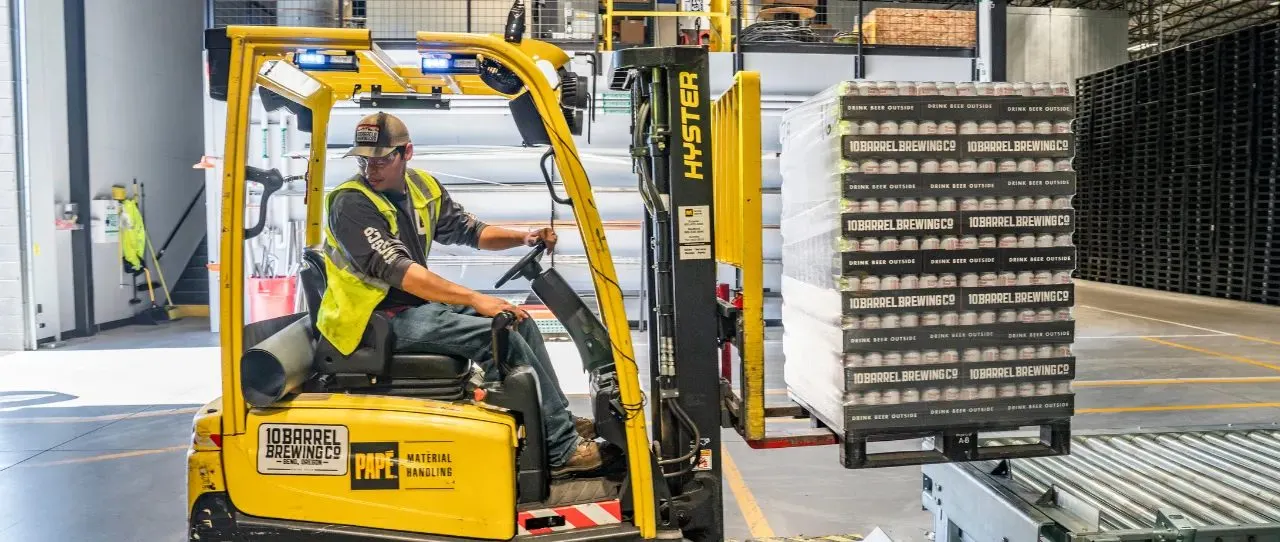
The client
The client is a large manufacturing company in India with production units in several industrial regions and a central team overseeing inventory.
Each plant holds raw materials and components in its storerooms, work in progress between stages, and finished goods awaiting dispatch. Stock moves between storerooms, lines and other plants every day.
The challenge
Stock levels were updated late and differently in each plant, so records rarely matched the shelves. Replenishment was decided too late, and lines stood idle while someone searched for material.
- Stock records were updated inconsistently across plants.
- Replenishment decisions came after shortages had started.
- No live view of which plant or storeroom held a material.
- Transfers between storerooms and plants were hard to follow.
- Shortages forced the production plan to be redone.
What they set up in Asset Infinity
The company ran every plant storeroom in Asset Infinity’s Stores feature, with stock categories for raw materials, work in progress and finished goods, and rules set per production unit.
Stock by storeroom
Each plant’s storerooms keep their own stock records, so availability is visible by item, location and plant. (Stores)
Reorder points on line-stopping items
Items that halt a line when they run out carry reorder points, and reorder advice lists what to replenish before it is short. (Stores)
Issues and transfers as they happen
Material issued to a line or sent to another plant is recorded at the time, keeping stock and records in step. (Stores)
Scheduled stock counts
Counts compare the shelf with the record, and differences are adjusted before they turn into a surprise shortage. (Stores)
How it works day to day
Material now reaches the line through these steps.
- Production planner: checks availability. Before releasing the week’s plan, the planner checks stock of each material by plant and storeroom.
- System: advises a reorder. When an item falls to its reorder point, it appears in reorder advice for the central inventory team.
- Inventory controller: moves stock between plants. If another plant holds spare stock, a transfer is recorded, so material moves without waiting for a fresh purchase.
- Storekeeper: issues to the line. Material is issued to the line in the app and leaves the storeroom balance as it leaves the shelf.
- Stores team: counts the storeroom. A scheduled count compares shelves with records, and differences are adjusted before they cause a shortage.
- Plant manager: watches for shortages. The dashboard shows items below reorder point and transfers still on the way to the plant.
Before and after
| Before | With Asset Infinity | |
|---|---|---|
| Stock records | Updated inconsistently | Updated at each issue, transfer and count |
| Replenishment | Decided late | Reorder advice before stock runs short |
| Availability | No live view | Stock by item, storeroom and plant |
| Inventory movement | Hard to control between locations | Issues and transfers recorded as they happen |
| Production delays | Caused by shortages | Reduced by 30% |
How it rolled out
- Record drift measured. A review of inventory practice showed where records drifted from the shelves, plant by plant.
- Storerooms set up. Stock categories, inventory rules and plant-wise workflows were configured, operations connected, and legacy stock records migrated.
- Plant and stores teams trained. Plant and inventory teams had hands-on training, with regular reviews afterwards.
The results
- 30% reduction in production delays
- Stock visible by item across plants and storerooms
- Raw material planning based on accurate stock data
- Raw materials, work in progress and finished goods controlled in one system
- Fewer stock-related disruptions on the shop floor
Why it worked
Reorder points where they matter
Setting them on the items that stop a line focused attention on the shortages that cost production time.
Transfers before purchases
Seeing stock in other plants lets the team move material instead of waiting on a new order.
Counts keep records true
Regular counts stop the slow drift between record and shelf that used to cause surprises.
Looking ahead
With every storeroom’s stock recorded the same way and critical items on reorder points, the company stopped finding shortages at the line and reduced production delays by 30%.
Accurate stock data now supports raw material planning, and the inventory and production teams work from one set of records.