


The client
The client is a large manufacturing company in India with several plants and a central procurement team that buys raw materials from suppliers across multiple industrial regions.
Plants raise needs for steel, polymers, chemicals and packaging as production plans change. Each purchase passes approvals and a supplier quote before an order goes out, and a late order holds up a line.
The challenge
With no central purchase system, requests arrived in different ways, approvals waited with nobody prompting them, and the sourcing team chased suppliers by hand. Nobody saw where a request was held up until a plant ran short.
- No single list of open purchase requests across plants.
- Approvals stalled with no reminder to the approver.
- Supplier quotes and delivery dates were followed up by phone.
- Plants could not see the status of what they had asked for.
- Late materials forced production plans to change.
What they set up in Asset Infinity
The company ran raw material purchasing in Asset Infinity’s Suppliers feature, from the plant’s request through approval, quotes and the purchase order to receiving at the plant.
Requests from every plant
Plant planners raise purchase requests by material category, with quantity and need-by date, into one queue for the sourcing team. (Suppliers)
Approval rules by category
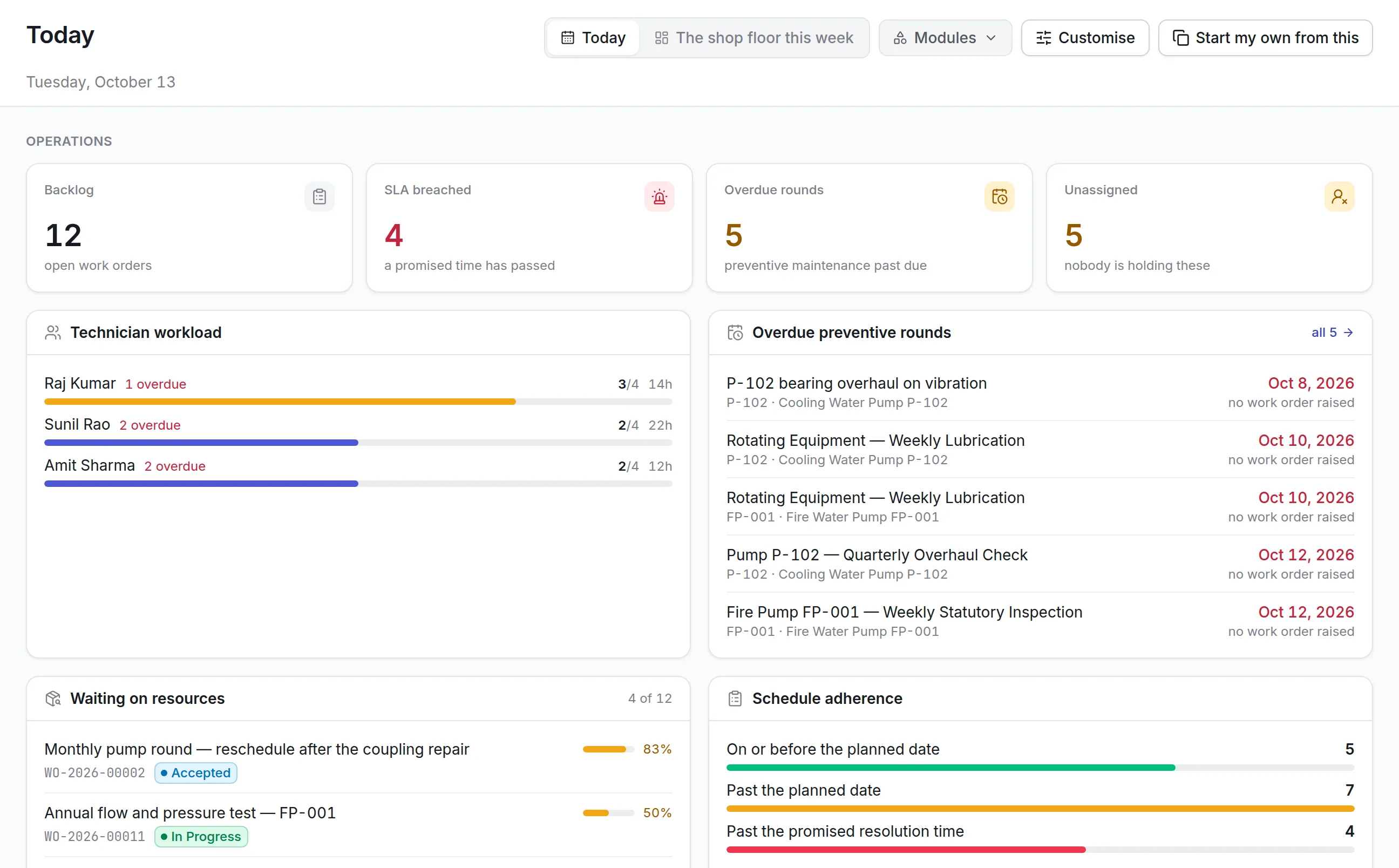
Approval steps depend on the material category and the plant, configured without code, and approvers get reminders when a request waits. (Platform)
Quotes before orders
Buyers send RFQs to suppliers for the category, record the quotes that come back and turn the chosen one into a purchase order. (Suppliers)
Receiving at the plant
Stores staff receive deliveries against the purchase order, so a short or late delivery shows up at once. (Suppliers)
How it works day to day
A raw material purchase now moves through these steps.
- Plant planner: raises the request. The planner requests a material by category, quantity and need-by date from the web app.
- Approver: approves for the category. The request goes to the approver set for that material and plant. A request left waiting sends a reminder.
- Buyer: asks suppliers for quotes. The central buyer sends an RFQ to suppliers of that category and records their prices and delivery dates.
- Buyer: places the order. The chosen quote becomes a purchase order, and the plant can see the order and its promised date.
- Plant stores: receives the delivery. Goods are received against the purchase order, recording what arrived and when.
- Procurement head: watches the pipeline. Dashboards show open requests by plant, approvals waiting and orders past their promised date.
Before and after
| Before | With Asset Infinity | |
|---|---|---|
| Purchase requests | No central system | One queue for every plant |
| Approvals | Delayed | Rules by category, with reminders |
| Supplier coordination | Poor, with repeated follow-up | RFQs and orders recorded per supplier |
| Visibility | Limited view of requests | Status of each request open to the plant |
| Procurement delays | Disrupted production planning | Reduced by 28% |
How it rolled out
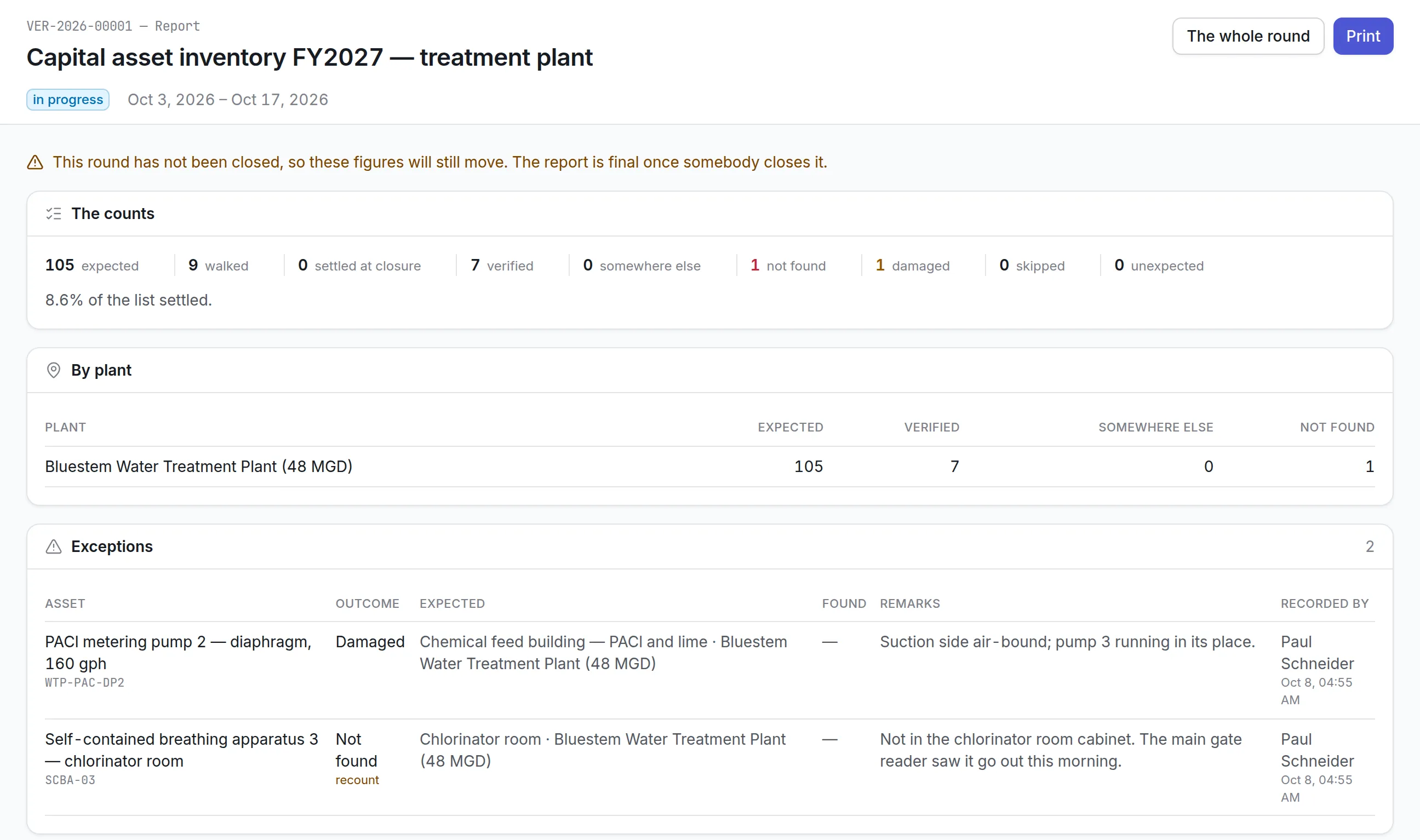
- Hold-ups traced. A review of procurement practice traced where requests waited and why.
- Categories and approvals configured. Purchase categories, approval rules and plant-wise workflows were set up, and legacy procurement records migrated.
- Buyers and plants trained. Procurement and plant teams had hands-on training, then regular reviews and improvement suggestions.
The results
- 28% reduction in procurement delays
- Every purchase visible from request to receipt across plants
- Sourcing plans built on purchase-level data
- Approvals moved along by reminders instead of phone calls
- Less follow-up work for the sourcing team
- Raw material reaching production when planned
Why it worked
One route for every purchase
Requests, approvals, quotes and orders follow the same path at every plant, so each one can be followed end to end.
Approvers are prompted
Approvals were a common hold-up, and reminders keep them moving without anyone picking up the phone.
Plants see their own orders
Planners check status themselves instead of calling the sourcing team.
Looking ahead
With every raw material request tracked from the plant to receiving, the company sees where purchases wait and has reduced procurement delays by 28%.
Purchasing history by material and supplier now gives the sourcing team a basis for buying ahead of production peaks.