






The client
The client is a multi-specialty hospital with more than 500 beds, part of an urban healthcare network with several facilities.
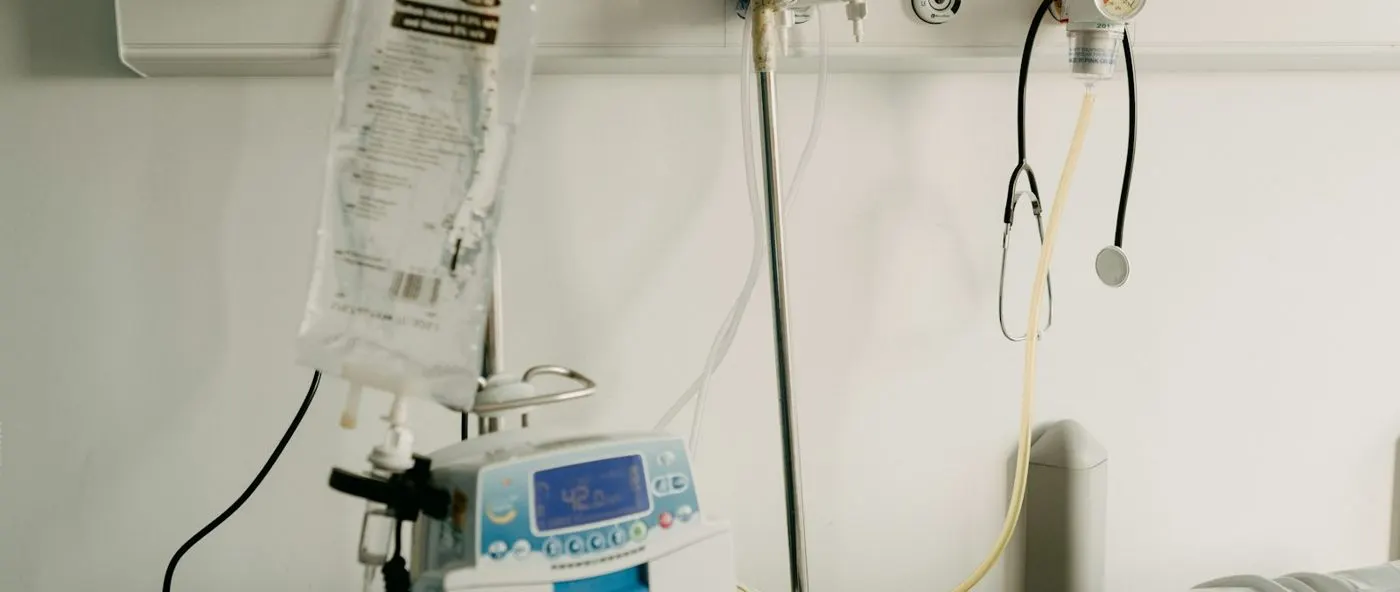
Much of its portable equipment is shared. Infusion pumps, syringe drivers, portable monitors and suction units travel from the ICU to the emergency department to diagnostics and back, following the patients who need them.
The challenge
Shared devices were logged by hand, and the logs stopped at the ward door. Nurses spent time phoning other wards to find a free pump while idle ones sat in a corridor elsewhere.
- Devices were regularly misplaced once they left their home department.
- In an emergency, finding a free device meant searching wards in person.
- Wards held on to borrowed devices because nobody asked for them back.
- Inconsistent paper records made compliance checks and audits slow.
What they set up in Asset Infinity
The hospital set up a central equipment library in Asset Infinity: every shared device registered and tagged, lent to wards on record, and shown on the hospital’s floor plans.
Devices on the floor plan
Shared devices carry BLE tags, so their position appears on the hospital’s floor plans and staff can see which ward a pump is in now. (Connected)
Lending library
Wards check devices out of the library and return them when the patient no longer needs them, so every loan has a borrower and a date. (Assets)
Compliance on the device record
Each device keeps its documents and compliance logs, and verification rounds confirm the register against what is physically on the wards. (Assets)
Shared with hospital systems
Equipment data is exchanged with the hospital’s other systems through the API, so staff do not key the same device details twice. (Platform)
How it works day to day
A shared device now moves through the hospital like this.
- Equipment coordinator: adds the device to the pool. Each pump, driver or monitor gets a record with its category, documents and a BLE tag, and is placed in the library.
- Ward nurse: finds a free device. The nurse searches by device type and sees which units are in the library and which wards hold the others, on the floor plan.
- Ward nurse: checks it out. Scanning the device label in the mobile app records the loan to that ward, with the date it left the library.
- System: follows it around. As the device moves with the patient, its tag updates its position on the floor plan, so the record follows the device.
- Ward nurse: returns it. When the patient no longer needs the device, it goes back to the library and is checked in, ready for the next ward.
- Equipment coordinator: chases long loans. A list of devices out on loan for a long time shows which wards to ask, so idle pumps come back to the pool.
- Auditor: confirms the register. In a verification round, each device is scanned and marked verified, moved, not found or damaged, alongside its compliance log.
Before and after
| Before | With Asset Infinity | |
|---|---|---|
| Device records | Paper logs, department by department | One register for the shared pool |
| Finding a device | Phoning and walking the wards | Search by type and see it on the floor plan |
| Loans to wards | Unrecorded, devices not returned | Checked out and checked in on record |
| Emergencies | Time lost searching | A free device located quickly |
| Audits | Inconsistent documentation | Verification rounds and compliance logs per device |
| Availability | Idle devices hidden on other wards | Pool visible to every department |
How it rolled out
- Tracking methods reviewed. The team looked at how shared equipment was logged and where devices were being lost between departments.
- Pool registered and tagged. Device records from every department were consolidated, categorized and tagged, with compliance logs attached.
- Ward staff trained. Nurses and the equipment team were trained, and the setup was monitored and adjusted with continuing support.
The results
- 40% better equipment availability across departments
- 500+ beds drawing on one tracked equipment pool
- Staff locate shared devices from a screen instead of searching wards
- Less time lost looking for equipment during emergencies
- Accurate, audit-ready records for every device in the pool
- Better coordination between departments that share equipment
- Timely access to equipment, supporting patient care
Why it worked
Devices are borrowed, not owned
Treating the pool as a library with check-out and return keeps devices circulating instead of collecting on one ward.
Location without paperwork
Tags update a device’s position as it moves, so nurses do not have to record every trip.
Audit draws on daily records
Loans, verification rounds and compliance logs build up in normal use, ready when an inspector asks.
Looking ahead
Running shared equipment as a library has given the hospital a clear answer to the question nurses ask most: where is a free one? Devices come back to the pool, and the next ward can have them.
With every device registered and its movements recorded, the hospital also has what it needs to schedule servicing and calibration around the times a device is back in the library.