






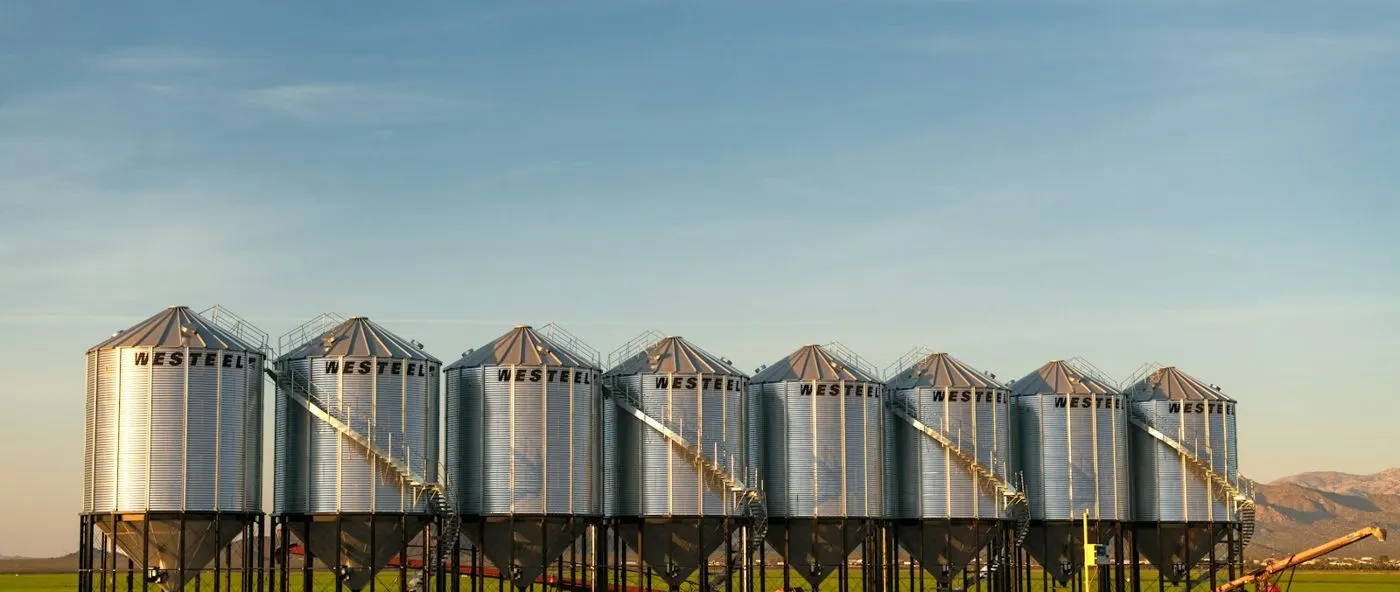
The client
The client is a multinational group whose flagship business produces and exports agricultural commodities, with interests in food processing, logistics and real estate.
Its manufacturing arm runs multiple plants across India and serves customers in oil and gas, automotive and manufacturing. Machinery and equipment at these plants are valuable, and the group wanted to know where each item was and what state it was in.
The challenge
Assets were managed through manual data entry, paper records and physical verification. Without a central tracking system, the group could not see the location, movement or condition of its machinery.
- No visibility of where assets were or how they moved between plants.
- Machinery could go missing, and nobody could tell who was responsible.
- Manual counting and reconciliation made audits slow and error-prone.
- Service history, maintenance schedules and warranty details were hard to keep track of.
- Accurate asset records were needed to meet audit and compliance requirements.
What they set up in Asset Infinity
The group moved its plant assets into Asset Infinity, with every item labeled and tracked from the mobile app.
Labeled assets in one register
Machinery and equipment carry QR or barcode labels and sit in one register with location, custodian, documents, warranty and history. (Assets)
RFID at the gates
RFID tags and fixed readers at doorways and gates record when a tagged asset passes, so moves between areas show up in the record. (Connected)
Verification rounds on the phone
Auditors scan labels plant by plant and mark each asset verified, moved, not found or damaged, and discrepancies come out as reports. (Assets)
Planned servicing
Preventive plans schedule servicing for each machine, with reminders, and every job adds to the asset’s service history. (Maintenance)
How it works day to day
Here is how plant assets are tracked and looked after now.
- Plant staff: register and label new assets. A new machine is added to the register from the mobile app, with its location, custodian, documents and warranty, and gets a QR or barcode label.
- System: records movement. When an RFID-tagged asset passes a fixed reader at a doorway or gate, the move is recorded against that asset.
- Auditor: runs a verification round. The auditor scans labels across the plant and marks each asset verified, moved, not found or damaged.
- Finance and audit: reviews discrepancies. Reports list assets that were not found, moved or damaged, so they can be followed up and reconciled quickly.
- System: raises planned servicing. Preventive plans create work orders when servicing is due and send reminders, so scheduled maintenance is not missed.
- Technician: completes the service. The technician records the work on the mobile app, which adds to the machine’s service history alongside its warranty details.
- Management: uses the data. Dashboards show asset location, usage and condition, helping identify underused machines and plan replacements.
Before and after
| Before | With Asset Infinity | |
|---|---|---|
| Asset records | Manual entry and paper | One register, captured from the mobile app |
| Location and movement | Unknown across plants | Tracked by labels and RFID |
| Loss and theft | No way to trace missing assets | Moves recorded, responsibility clear |
| Audits | Manual counting and reconciliation | Mobile verification rounds and reports |
| Maintenance | Schedules and history hard to track | Preventive plans with reminders and history |
| Compliance | Hard to show accurate records | Reports drawn from the asset register |
How it rolled out
- Assets tagged. Machinery and equipment at each plant were labeled and loaded into the register.
- Teams on the mobile app. Plant staff and auditors started capturing asset data and running verification rounds from their phones.
- Maintenance and reports set up. Service schedules, reminders and audit and compliance reports were configured for the plants.
The results
- Complete visibility of assets across plants and locations
- Less loss and theft of machinery and equipment
- Faster audits and compliance checks with less manual effort
- Better maintenance planning, less downtime and longer asset life
- Fewer data errors and more reliable warranty records
Why it worked
Every asset identifiable
Labels and RFID tags give each machine an identity that anyone with the mobile app can scan.
Audits without paper
Verification rounds on the phone replace manual counting, and the outcomes are ready to reconcile.
Maintenance tied to the asset
Service plans and history sit on the same record as location and warranty, so nothing is kept separately.
Looking ahead
By replacing paper records with labeled assets, mobile verification and planned servicing, the group gained a clear view of its machinery across plants and cut the losses that came from not knowing where things were.
The same records now support audits, compliance reporting and decisions about which assets to use, service or replace.