


In this article
- What Is Healthcare and Pharmacy Inventory Management?
- Why Healthcare Inventory Management Is Important
- Types of Healthcare and Pharmacy Inventory
- Healthcare and Pharmacy Inventory Management Process
- Benefits of Healthcare and Pharmacy Inventory Management
- Common Challenges in Healthcare and Pharmacy Inventory Management
- Best Practices for Healthcare and Pharmacy Inventory Management
- Technologies Improving Healthcare and Pharmacy Inventory Management
- Industries and Healthcare Facilities That Benefit
- Choosing Healthcare and Pharmacy Inventory Management Software
- Future Trends in Healthcare and Pharmacy Inventory Management
- Conclusion
- Frequently Asked Questions
Healthcare organizations depend on accurate inventory management to deliver timely patient care. From medicines and surgical supplies to medical devices and personal protective equipment, every item must be available when needed. Even a minor inventory shortage can delay treatments, disrupt hospital operations, and impact patient safety.
At the same time, overstocking medical supplies increases storage costs, ties up working capital, and raises the risk of expired or obsolete inventory. Managing thousands of inventory items across pharmacies, hospitals, laboratories, and multiple healthcare facilities requires a structured and technology driven approach.
This is where healthcare and pharmacy inventory management becomes essential. A reliable inventory management system helps healthcare providers maintain optimal stock levels, improve inventory visibility, reduce medication waste, and comply with strict healthcare regulations.
This complete guide explains healthcare and pharmacy inventory management, medical inventory control processes, common challenges, best practices, and how inventory management software supports better healthcare operations.
What Is Healthcare and Pharmacy Inventory Management?
Healthcare and pharmacy inventory management is the process of planning, tracking, storing, replenishing, and controlling medicines, medical equipment, surgical supplies, and healthcare consumables across hospitals, clinics, pharmacies, and laboratories.
Its primary objective is to ensure critical medical inventory is always available while minimizing inventory waste and operational costs.
Healthcare inventory commonly includes:
- Prescription medicines
- Vaccines
- Surgical instruments
- Medical devices
- Laboratory supplies
- Personal protective equipment
- Medical consumables
- Diagnostic equipment
- Emergency care supplies
An effective healthcare inventory management system supports uninterrupted patient care and efficient healthcare operations.
Image Suggestion: Infographic showing Medical Inventory Flow from Supplier → Central Medical Store → Pharmacy → Hospital Department → Patient Care → Replenishment
Why Healthcare Inventory Management Is Important
Medical inventory directly affects patient outcomes, operational efficiency, and regulatory compliance.
Without proper inventory management, healthcare organizations may experience:
- Medicine shortages
- Expired medications
- Overstocked inventory
- Delayed treatments
- Higher inventory costs
- Regulatory compliance issues
- Poor inventory visibility
- Increased medical waste
An efficient healthcare inventory management strategy helps organizations:
- Improve inventory accuracy
- Ensure medicine availability
- Reduce inventory waste
- Improve patient safety
- Support regulatory compliance
- Lower operating costs
- Increase operational efficiency
Types of Healthcare and Pharmacy Inventory
Healthcare organizations manage multiple categories of medical inventory.
Medicines and Pharmaceuticals
This includes prescription drugs, vaccines, controlled substances, and over the counter medications that require accurate stock monitoring and expiration tracking.
Medical Devices
Hospitals track medical equipment such as infusion pumps, ventilators, diagnostic machines, and patient monitoring systems.
Surgical Supplies
Operating rooms require continuous availability of sterile instruments, implants, sutures, and disposable surgical supplies.
Laboratory Inventory
Diagnostic laboratories manage reagents, testing kits, chemicals, and laboratory consumables.
Medical Consumables
Healthcare facilities regularly consume items such as gloves, syringes, masks, gauze, disinfectants, and dressings.
Emergency Medical Supplies
Emergency departments maintain critical inventory for trauma care, resuscitation, and disaster preparedness.
Image Suggestion: Illustration showing Medicines, Medical Devices, Surgical Supplies, Laboratory Inventory, Consumables, and Emergency Supplies
Healthcare and Pharmacy Inventory Management Process
An efficient inventory management process ensures medical supplies remain available while minimizing waste.
Procurement Planning
Hospitals forecast inventory requirements based on patient demand, treatment schedules, and historical consumption.
Inventory Receiving
Incoming medicines and medical supplies are inspected for quantity, quality, batch numbers, and expiration dates before being recorded.
Storage Management
Medical inventory is stored according to temperature requirements, safety guidelines, and regulatory standards.
Inventory Tracking
Hospitals monitor inventory movement between central stores, pharmacies, departments, and patient care units.
Inventory Dispensing
Medicines and medical supplies are issued to patients or healthcare departments with complete transaction records.
Inventory Replenishment
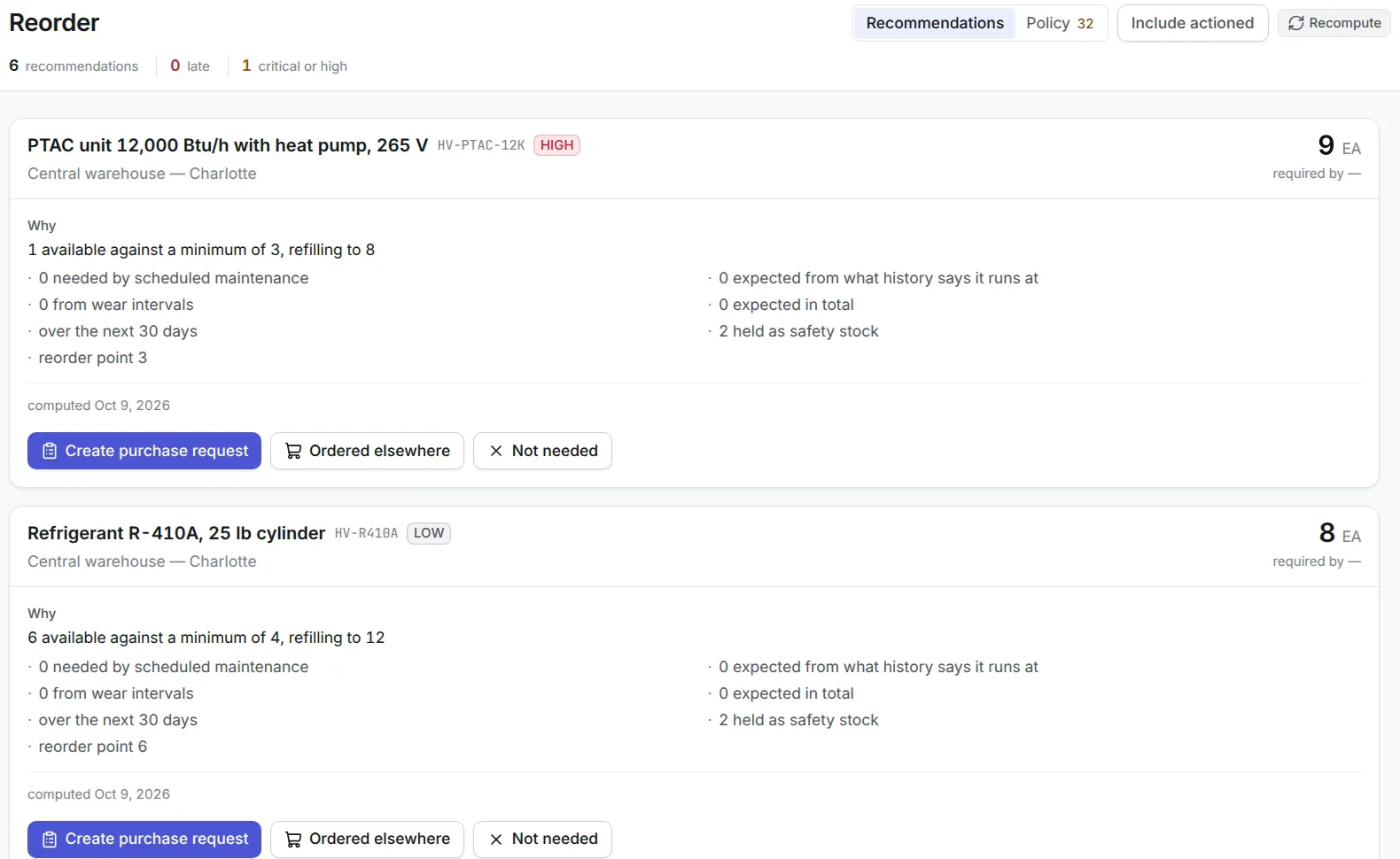
Automated alerts ensure replenishment occurs before inventory reaches critical levels.
Benefits of Healthcare and Pharmacy Inventory Management
Improved Patient Care
Medical professionals always have access to essential medicines and supplies when treating patients.
Reduced Medication Waste
Track expiration dates and batch numbers to minimize expired medicines.
Better Inventory Visibility
Monitor inventory across pharmacies, hospitals, and multiple healthcare facilities from one centralized system.
Improved Regulatory Compliance
Maintain accurate inventory records required for audits and healthcare regulations.
Lower Inventory Costs
Optimize purchasing decisions while reducing excess inventory.
Faster Inventory Audits
Digital inventory records simplify stock verification and compliance reporting.
Better Operational Efficiency
Automated inventory processes reduce manual work and improve staff productivity.
Common Challenges in Healthcare and Pharmacy Inventory Management
Healthcare providers often face unique inventory challenges.
Expired Medicines
Poor inventory rotation leads to expired drugs and unnecessary financial losses.
Stockouts
Medicine shortages can delay treatment and compromise patient care.
Regulatory Compliance
Healthcare organizations must maintain accurate inventory records to comply with industry regulations.
Multiple Storage Locations
Managing inventory across hospitals, pharmacies, laboratories, and satellite clinics increases operational complexity.
Cold Chain Management
Vaccines and temperature sensitive medicines require continuous monitoring during storage and transportation.
Inventory Inaccuracy
Manual inventory processes often result in stock discrepancies and ordering mistakes.
Best Practices for Healthcare and Pharmacy Inventory Management
Healthcare organizations can improve inventory performance by following proven practices.
Implement Inventory Management Software
Modern inventory systems provide:
- Real time inventory tracking
- Batch and lot tracking
- Expiration date monitoring
- Automated stock alerts
- Inventory forecasting
- Reporting dashboards
Track Batch Numbers and Expiration Dates
Monitor every medicine batch to reduce waste and improve patient safety.
Follow FEFO Inventory Rotation
Use the First Expired, First Out method to ensure medicines nearing expiration are dispensed first.
Perform Regular Inventory Audits
Cycle counting and physical verification maintain inventory accuracy.
Monitor Critical Inventory Levels
Maintain safety stock for life saving medicines and emergency medical supplies.
Train Healthcare Staff
Ensure pharmacists, warehouse personnel, and healthcare teams follow standardized inventory procedures.
Monitor Inventory KPIs
Track important performance indicators including:
- Inventory turnover
- Expired inventory rate
- Medicine availability
- Stockout frequency
- Order fulfillment accuracy
- Inventory carrying cost
- Inventory accuracy
Technologies Improving Healthcare and Pharmacy Inventory Management
Modern healthcare inventory systems use advanced technologies to improve efficiency.
Key technologies include:
- Barcode inventory tracking
- QR code scanning
- RFID inventory management
- Mobile inventory applications
- Cloud based inventory management
- Automated inventory alerts
- Temperature monitoring sensors
- Inventory analytics dashboards
- AI powered demand forecasting
These technologies improve inventory visibility while supporting better healthcare decisions.
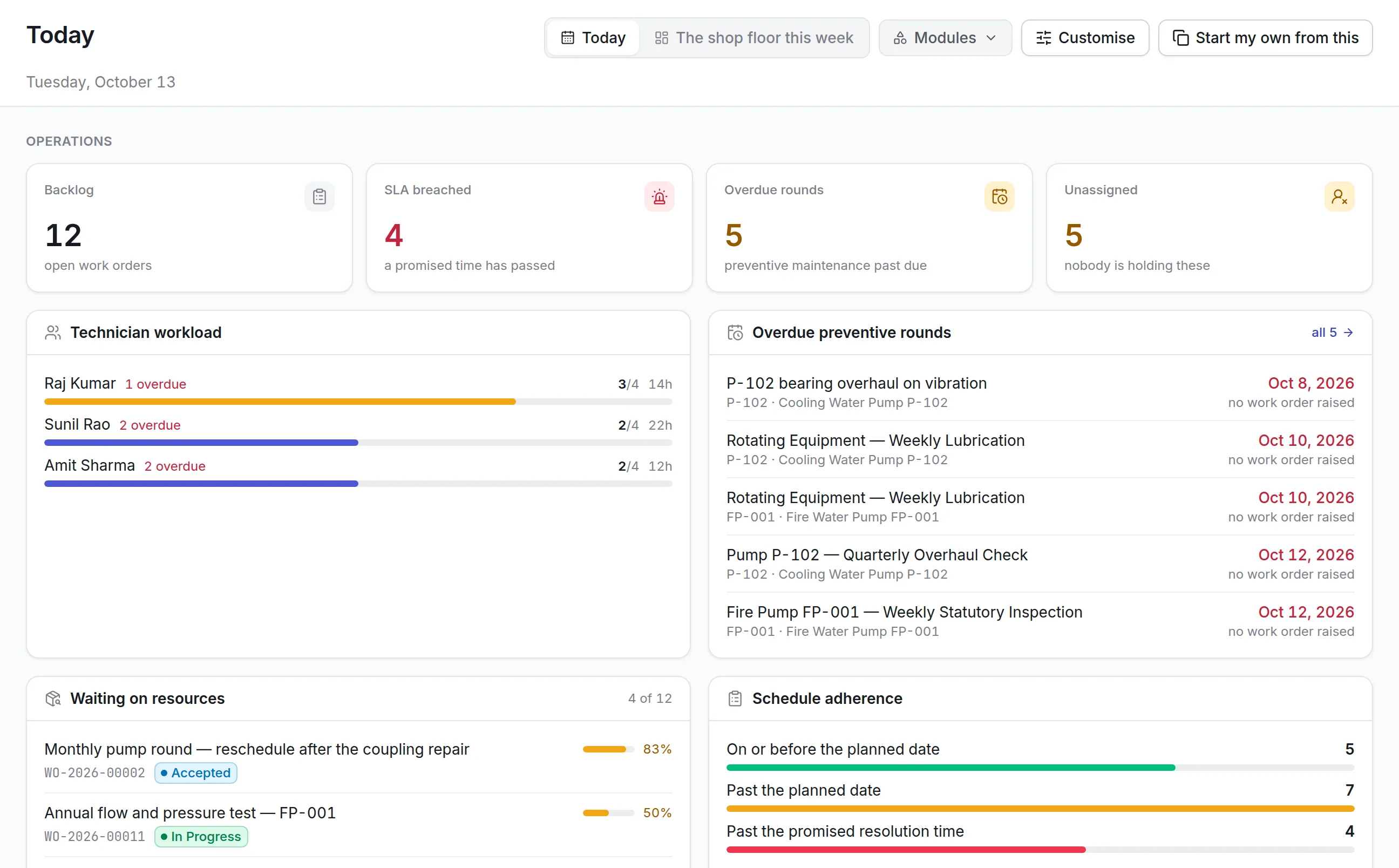
Image Suggestion: Dashboard showing Medicine Inventory, Expiration Alerts, Batch Tracking, Pharmacy Stock Levels, and Compliance Reports
Industries and Healthcare Facilities That Benefit
Healthcare and pharmacy inventory management supports a wide range of medical organizations.
Hospitals
Manage medicines, surgical supplies, diagnostic equipment, and emergency inventory.
Retail Pharmacies
Maintain accurate medicine inventory while improving prescription fulfillment.
Clinics
Track essential medical supplies and pharmaceutical inventory.
Diagnostic Laboratories
Manage laboratory reagents, testing kits, and diagnostic consumables.
Medical Distribution Centers
Coordinate pharmaceutical inventory across multiple healthcare providers.
Long Term Care Facilities
Maintain continuous availability of medications and healthcare supplies for residents.
Veterinary Hospitals
Track medicines, vaccines, surgical supplies, and diagnostic equipment for animal healthcare.
Image Suggestion: Industry illustration featuring Hospitals, Pharmacies, Clinics, Laboratories, Medical Distributors, Long Term Care Facilities, and Veterinary Hospitals
Choosing Healthcare and Pharmacy Inventory Management Software
When evaluating healthcare inventory software, organizations should prioritize features such as:
- Real time inventory tracking
- Batch and lot management
- Expiration date tracking
- Barcode and RFID support
- Multi location inventory management
- Automated replenishment
- Cold chain monitoring
- Regulatory compliance reporting
- Mobile inventory management
- ERP and hospital management system integration
Selecting scalable software helps healthcare providers improve inventory accuracy while supporting better patient care.
Future Trends in Healthcare and Pharmacy Inventory Management
Healthcare inventory management continues to evolve with advanced digital technologies.
Emerging trends include:
- AI powered inventory forecasting
- Predictive inventory optimization
- Smart hospital inventory systems
- IoT enabled cold chain monitoring
- Cloud based pharmacy inventory management
- Automated medicine dispensing
- Digital compliance reporting
- Real time healthcare inventory analytics
These innovations help healthcare organizations improve operational efficiency while ensuring uninterrupted patient care.
Conclusion
Effective healthcare and pharmacy inventory management is essential for maintaining medicine availability, improving patient safety, and ensuring regulatory compliance. By efficiently managing medicines, medical devices, laboratory supplies, and healthcare consumables, organizations can reduce waste, lower inventory costs, and deliver high quality healthcare services.
Modern inventory management software further strengthens healthcare operations through real time visibility, automation, batch tracking, expiration monitoring, and intelligent reporting. Whether you manage a hospital, pharmacy, clinic, or diagnostic laboratory, investing in the right inventory management solution helps build a more efficient, compliant, and patient focused healthcare organization.
Frequently Asked Questions
1. What is healthcare and pharmacy inventory management?
Healthcare and pharmacy inventory management is the process of managing medicines, medical devices, surgical supplies, and healthcare consumables to ensure availability, reduce waste, and support efficient patient care.
2. Why is inventory management important in healthcare?
It helps ensure critical medicines and medical supplies are always available, reduces expired inventory, improves patient safety, supports regulatory compliance, and lowers operational costs.
3. What inventory is managed in hospitals and pharmacies?
Healthcare facilities manage prescription medicines, vaccines, surgical instruments, medical devices, laboratory supplies, personal protective equipment, consumables, and emergency medical supplies.
4. What are the biggest challenges in healthcare inventory management?
Common challenges include medicine shortages, expired inventory, regulatory compliance, cold chain management, inventory inaccuracies, and managing stock across multiple healthcare locations.
5. What features should healthcare and pharmacy inventory management software include?
The software should provide real time inventory tracking, batch and expiration management, barcode and RFID support, automated replenishment, cold chain monitoring, compliance reporting, mobile access, analytics, and integration with hospital or pharmacy management systems.