






The client
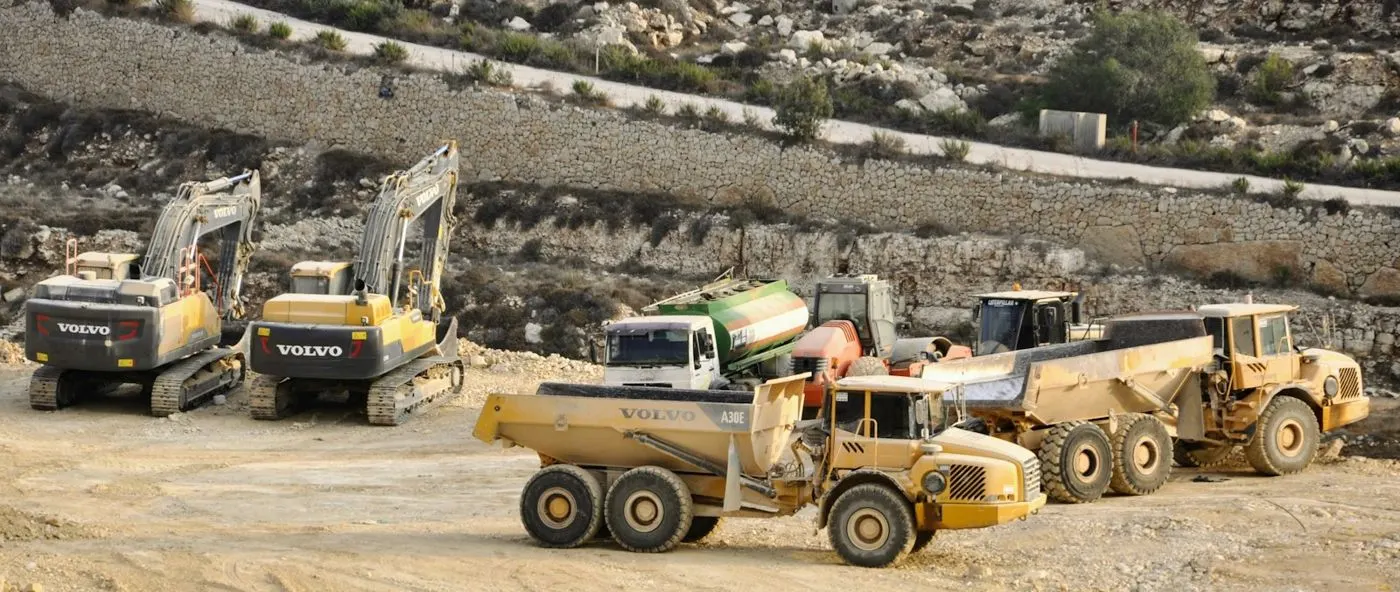
The client is a construction service provider in Grenada. It supplies construction materials and carries out construction work, with regular supply orders delivered by its own vehicles of different types.
Those vehicles move between project sites and suppliers every day. Allocating them well, and keeping them maintained, decides how many orders the company can deliver on time.
The challenge
Vehicles were tracked by hand. Drivers’ trips and fuel were entered manually, vehicle details lived in a shared spreadsheet, and maintenance ran on fixed dates whatever the vehicle’s condition.
- No way to see which vehicle was where at any point in time.
- Chassis numbers, engine numbers and insurance details were not kept centrally.
- Maintenance ran on fixed schedules, not on use or condition.
- Distances were calculated by hand, taking time and staff.
- No history of past journeys to review routes and unnecessary travel.
What they set up in Asset Infinity
The company moved its fleet into Asset Infinity, with GPS trackers on the vehicles and maintenance tied to the distance each one travels.
GPS tracking on a map
GPS trackers report each vehicle’s location and odometer, so dispatchers see the fleet on a map and assign work to the nearest vehicle. (Connected)
One vehicle register
Vehicle details, including chassis number, engine number and insurance, were loaded by bulk import and are updated by authorized users. (Assets)
Maintenance by distance
Odometer readings feed meter-based preventive plans, and the responsible user is notified when a vehicle passes its distance limit. (Maintenance)
Connected to existing software
The company’s other software exchanges vehicle data with Asset Infinity through the REST API, so information flows between systems. (Platform)
How it works day to day
This is how a working day with the fleet runs now.
- Dispatcher: checks the fleet on the map. Each vehicle’s position comes from its GPS tracker, so the dispatcher sees where the fleet is before assigning the day’s supply orders.
- Dispatcher: allots work by location. Deliveries and site runs go to the vehicle best placed to do them, instead of whichever one was free on paper.
- System: updates the odometer. The tracker feeds distance travelled into the vehicle’s record, with no trip log to fill in by hand.
- System: warns when a limit is passed. When a vehicle exceeds its set distance, the responsible user is notified and a meter-based maintenance plan falls due.
- Maintenance team: gets the job in advance. The scheduled activity is assigned to the maintenance user group with its location and type, and they are notified in the app.
- Technician: services and closes. The technician completes the work order on the mobile app, adding to the vehicle’s maintenance history.
- Fleet manager: reviews the fleet. Reports on asset movement, assets by user and distance travelled show how each vehicle is being used.
Before and after
| Before | With Asset Infinity | |
|---|---|---|
| Vehicle location | Unknown at any given time | Live position from GPS trackers |
| Trip and fuel data | Entered manually each day | Distance recorded from the tracker |
| Vehicle details | Shared spreadsheet, often out of date | One register, bulk-loaded and kept current |
| Maintenance timing | Fixed time periods | Based on distance and condition |
| Telling the team | Manual messages, with delays | Advance notice from the app |
| Other software | Integration issues | Connected through a secure API |
How it rolled out
- Vehicles imported. Existing vehicle data was moved from the spreadsheet into the register by bulk upload.
- Trackers and limits set. GPS trackers were linked to vehicles, with distance limits and the people to notify for each.
- Systems connected. A secure API integration linked Asset Infinity with the software the company already used.
The results
- Work is allotted based on where each vehicle is, raising vehicle productivity.
- Lower fuel costs and less wear and tear from tracking distance against set limits.
- Maintenance is scheduled on each vehicle’s use and condition, with fewer breakdowns.
- Maintenance teams are notified in advance, so scheduled jobs are completed on time.
- Reports such as assets by user and asset movement give management full control of the fleet.
Why it worked
Built around distance
For vehicles, distance travelled is what drives wear. Using it for alerts and maintenance replaced fixed calendars.
Flexible records
The company chose which vehicle details to capture and loaded them in one bulk import.
Works with existing systems
The API let Asset Infinity fit alongside the software the company already relied on.
Looking ahead
With every vehicle tracked, recorded and maintained in one system, the company allocates its fleet by location and services each vehicle when its use calls for it.
The distance and location data that now builds up for each vehicle gives management a basis for reviewing routes, fuel use and replacement decisions.