






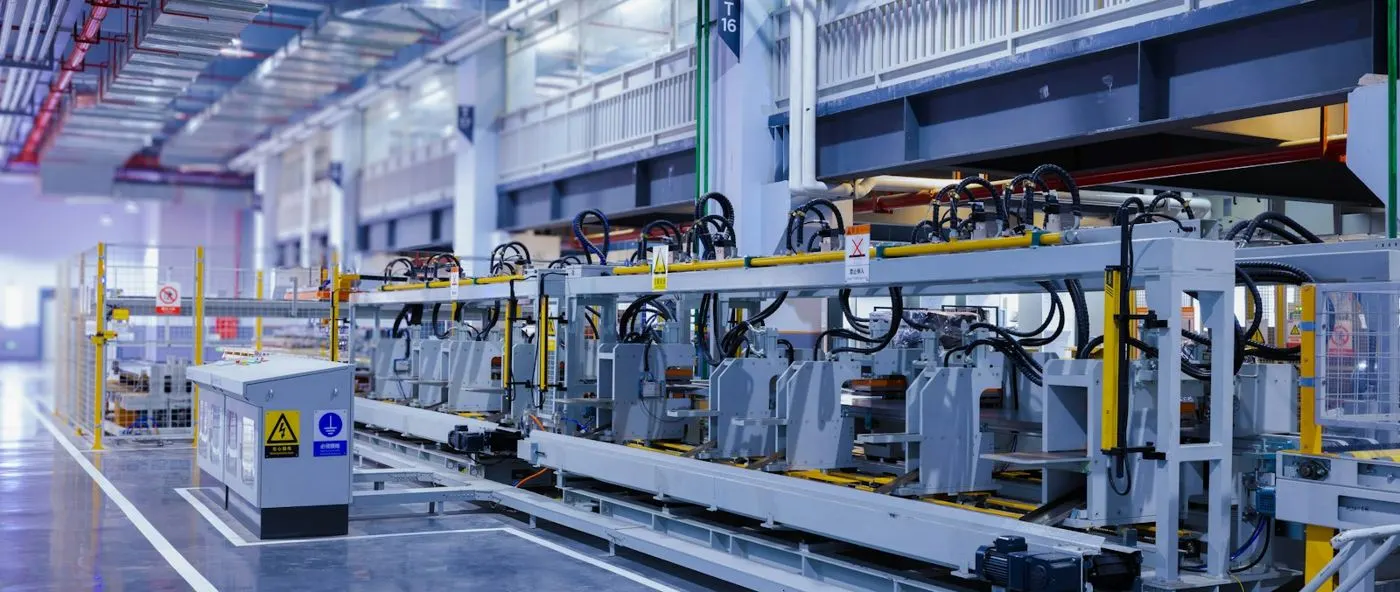
The client
The client is a manufacturing company known for an extensive range of heavy machinery.
Its machines are high-value assets of many different types, and each type needs the depreciation method that suits it. The finance team carried that work by hand, and the results fed both its financial statements and its tax returns.
The challenge
Depreciation was calculated by hand and often wrong. Assets were valued improperly, which led to financial misreporting and a tax bill higher than it should have been.
- Inaccurate depreciation tracking caused financial discrepancies.
- Improper asset valuation overstated tax liabilities.
- Manual processes took time and produced errors.
- Different methods for different machinery were hard to apply by hand.
What they set up in Asset Infinity
The company moved its machinery into Asset Infinity’s register and let the Finance feature calculate depreciation by asset type and method.
Automated depreciation
Depreciation is calculated for every machine by rule, tailored to each type of heavy machinery, with no manual arithmetic. (Finance)
A method for each asset type
Straight-line, declining balance and other methods are set per asset class, and book and tax depreciation are kept side by side. (Finance)
Current status and value
Each machine’s record shows its status and current value at any time, so finance and operations see the same numbers. (Assets)
Depreciation schedules and reports
Finance produces depreciation schedules and the figures behind its financial statements directly from the register. (Insight)
How it works day to day
Here is how depreciation now runs for the company’s machinery.
- Asset accountant: records a new machine. A new machine goes into the register with its asset class, cost and date put to use.
- System: applies the method. The asset class brings its depreciation method, such as straight-line or declining balance, with book and tax treatment side by side.
- Finance team: runs depreciation. A depreciation run calculates the period’s charge for every machine the same way, with no manual arithmetic.
- Finance team: exports the journal. The depreciation journal is exported to the accounting system, so the books match the register.
- Asset accountant: records disposals. When a machine is sold or scrapped, the disposal is recorded and the machine leaves future runs.
- Finance controller: prepares the statements. Depreciation schedules and asset values come straight from the register for financial statements and tax reporting.
Before and after
| Before | With Asset Infinity | |
|---|---|---|
| Depreciation | Calculated by hand, with errors | Automated runs by asset class |
| Methods | Hard to apply per machine type | Set per class, book and tax side by side |
| Financial accuracy | Misreporting | 30% more accurate |
| Tax | Overstated liabilities | 20% lower liabilities |
| Asset values | Uncertain at any given time | Current value on every record |
| Finance team time | Spent on manual calculation | Spent on review |
How it rolled out
- Machinery recorded. The company’s heavy machinery was entered into the asset register with cost and dates.
- Methods assigned. Each type of machinery was given the depreciation method that suits it.
- Reports set up. Depreciation schedules and financial reports were configured for the finance team.
The results
- 30% improvement in financial reporting accuracy
- 20% reduction in tax liabilities
- Substantial time saved on manual tracking and calculation.
- Compliance with financial regulations.
- More transparent financial reporting.
- Taxable income reported more accurately.
Why it worked
The right method per machine
Each type of machinery uses the method that fits it, which removed the main source of valuation errors.
Book and tax together
Keeping both views on the same asset made accurate taxable income a by-product of normal bookkeeping.
Traceable numbers
Every figure in a schedule leads back to a machine and a rule, which made reporting more transparent.
Looking ahead
With depreciation calculated by rule for each type of machinery, the manufacturer reports its asset values accurately and no longer pays tax on an overstated figure.
The finance team now spends its time reviewing results instead of producing them, and every schedule can be traced back to the machine it belongs to.